
In-House Manufacturing

Fast Quotation

Fast Lead Times
No MOQ Required

Precision Quality Control

Transparent Production Process

1
Submit CAD Files

2
Engineering Review & DFM Analysis

3
Process Planning & CNC Programming
4
CNC Plastic Machining

5
Hand Finishing & Surface Preparation

6
Surface Finishing & Customization

7
Quality Inspection & Assembly Verification

8
Final Inspection, Packaging & Delivery
Natural Finish
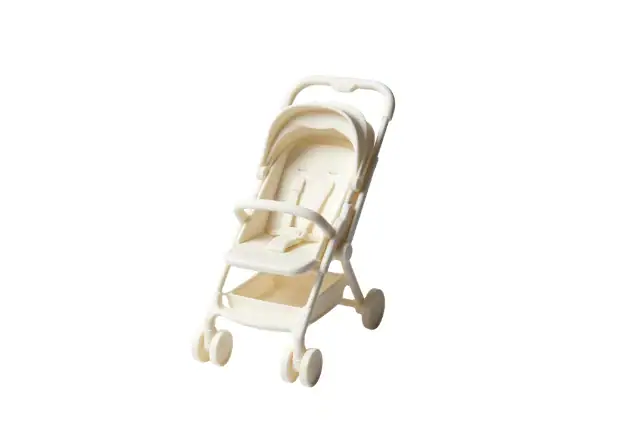
Painting
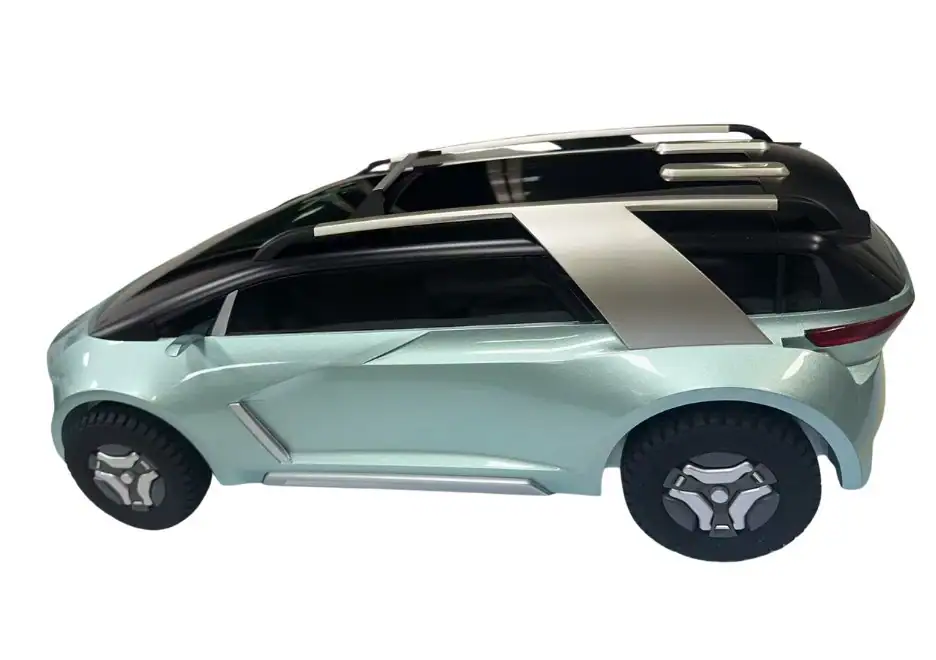
Electroplating

Silk Screening
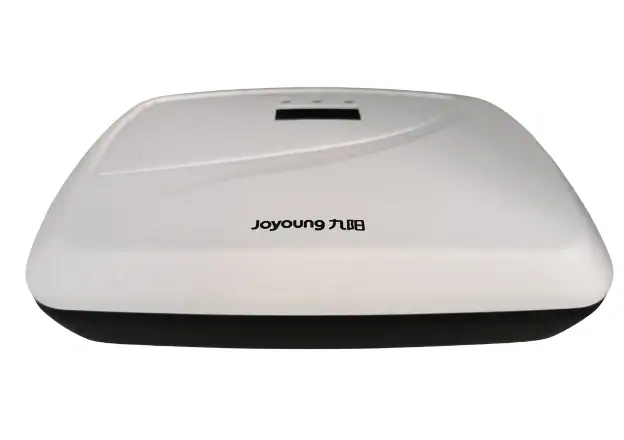
UV Coating
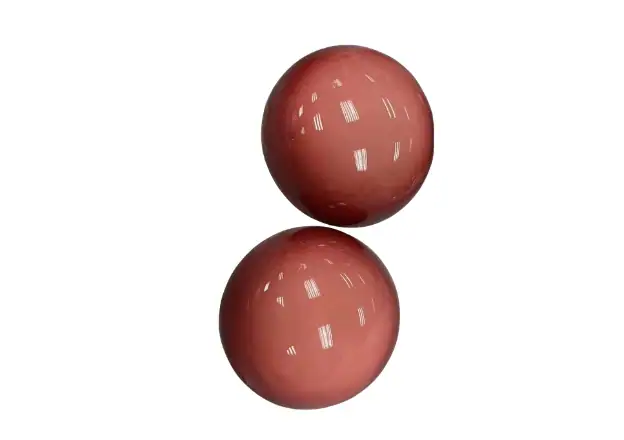
Water Transfer Printing
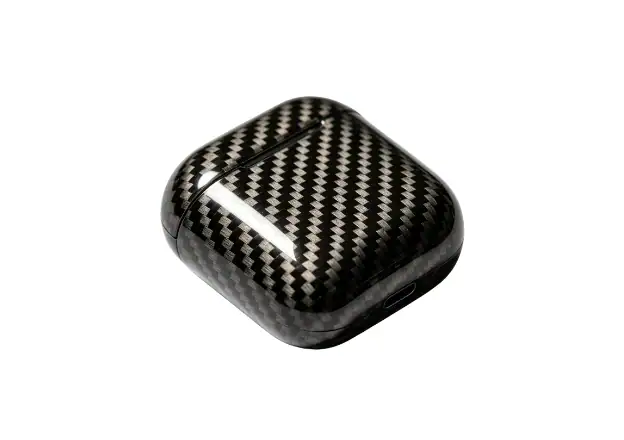
ABS
ABS offers good machinability, impact resistance, and dimensional stability, making it suitable for CNC-machined housings, brackets, and appearance prototypes.

PMMA (Acrylic)
PMMA (acrylic) provides excellent optical clarity and a rigid structure. CNC machining and polishing make it suitable for transparent covers, display components, and optical prototypes.

POM
polyoxymethylene is also known abbreviated as POM-C. It is usually the polymer of formaldehyde polymerization, the polymerization degree is not high, and easy to thermal depolymerization. POM is a strong, low-friction plastic ideal for gears, bearings, automotive parts, and precision mechanical components.

PC
PC (Polycarbonate) is a strong, impact-resistant plastic with high transparency and heat resistance, widely used in eyewear lenses, electronics, automotive parts, and safety equipment. is colorless and transparent, heat resistant, impact resistant, flame retardant BI grade, and has good mechanical properties within the common use temperature.

PP
PP (Polypropylene) is a versatile, lightweight, chemical-resistant plastic commonly used in packaging, automotive parts, textiles, and consumer goods due to its durability and flexibility.and due to its semi-crystalline property it possesses a high flexural strength.

PA66
PA (Polyamide or Nylon) is a strong, wear-resistant plastic with good chemical resistance, commonly used in gears, bearings, automotive parts, and industrial machinery components. It has advantages when manufactured via CNC machining. Nylon has excellent thermal, mechanical, and chemical resistance properties when cut from solid stock.However, it is precisely its high hygroscopicity that causes it to swell.

Bakelite
Bakelite is a thermosetting engineering plastic, and it has high mechanical strength, good insulation, heat resistance, and corrosion resistance, so It is widely used in electrical components, industrial equipment, fixtures, and structural insulation parts.

FR4
FR4 is a Flame retardant glass fiber epoxy laminate,offering excellent electrical insulation and strength, commonly used in circuit boards, electrical components, and structural applications.

PPS
PPS (Polyphenylene Sulfide) is a high-performance engineering plastic known for its excellent heat resistance, chemical resistance, dimensional stability, and electrical insulation properties. It is widely used in industrial equipment, electronics, automotive components, and high-temperature engineering applications.

PE
PE is a lightweight engineering plastic known for its excellent chemical resistance, low friction, impact resistance, and good electrical insulation properties. It is widely used in industrial equipment, wear-resistant components, food-grade applications, and mechanical engineering parts.

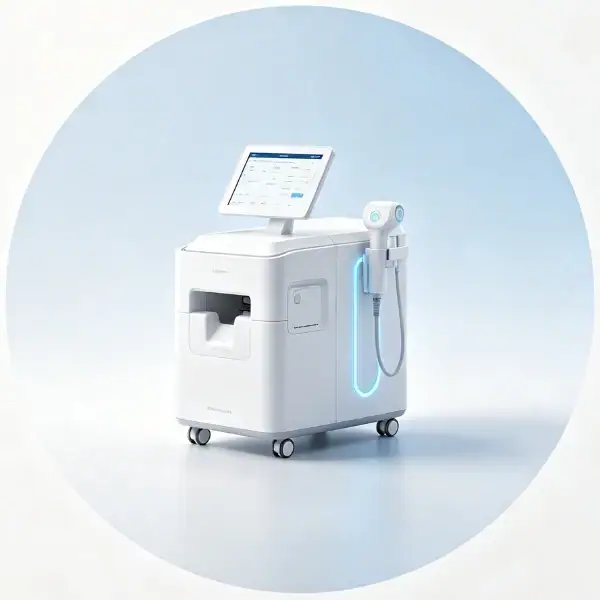
Medical Devices

Automotive
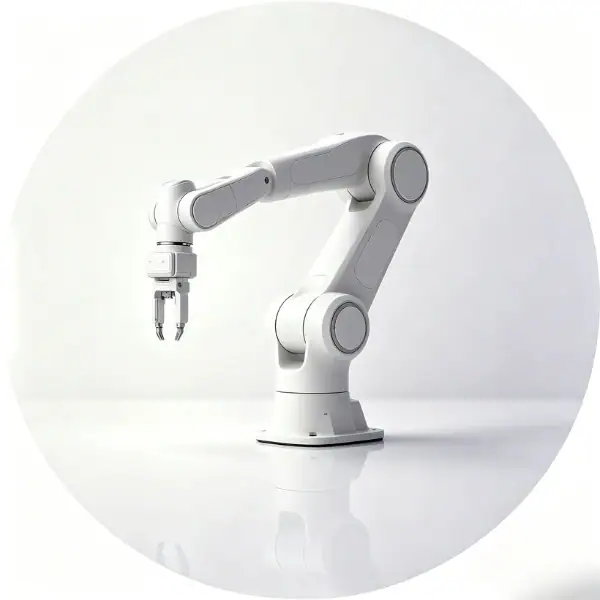
Robotics
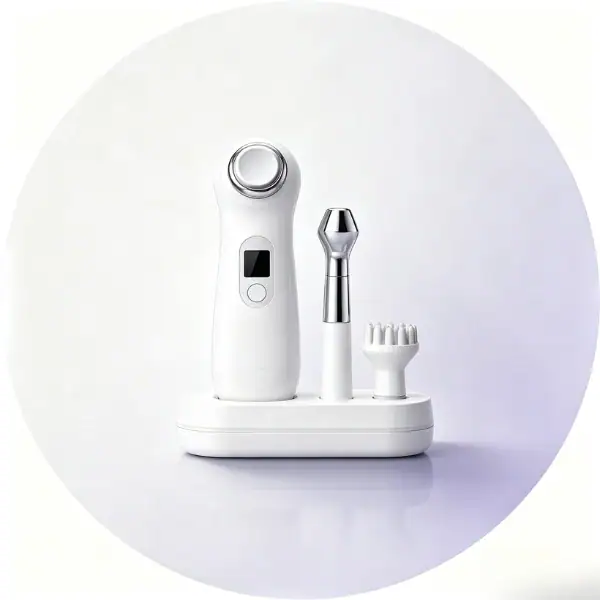
Beauty & Personal Care Devices

Consumer Electronics
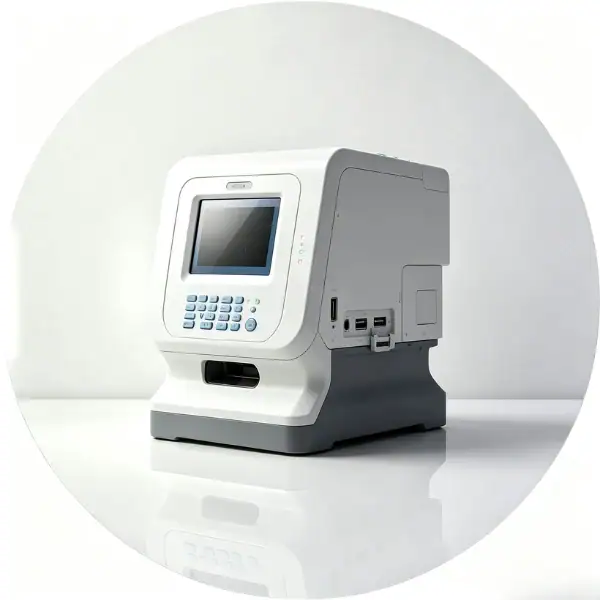
Industrial Equipment

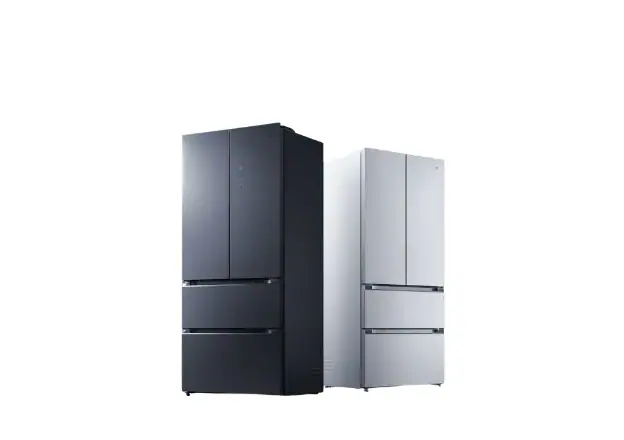
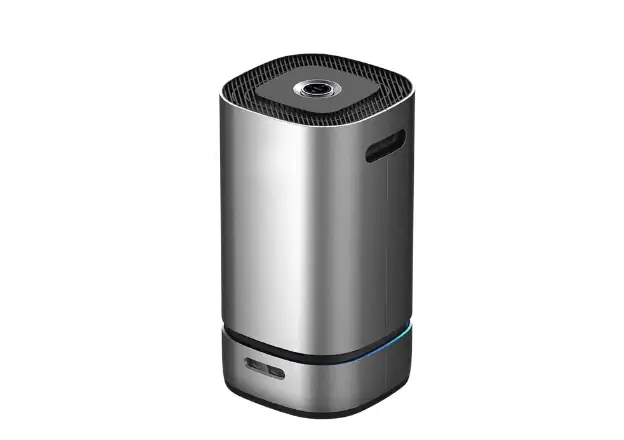
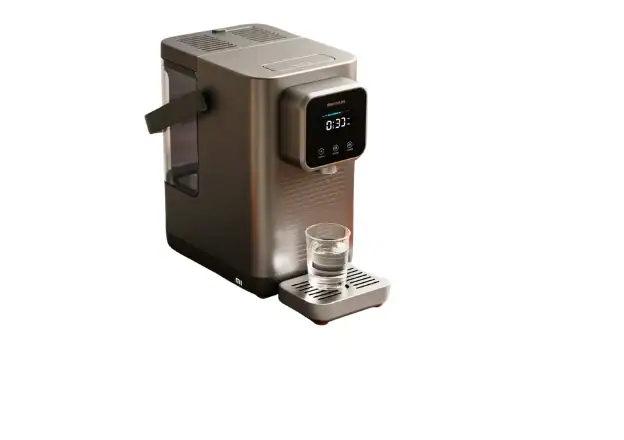
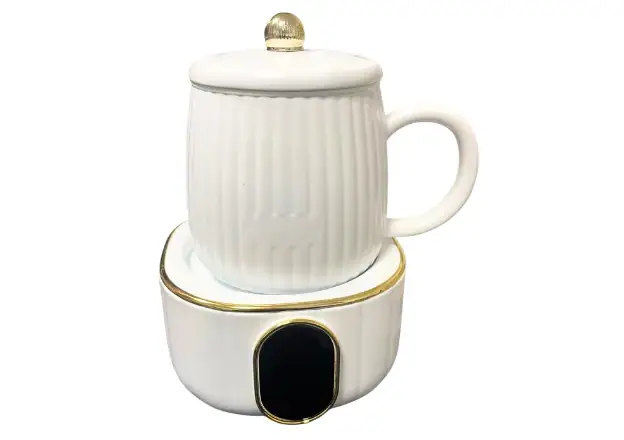
Home Appliances
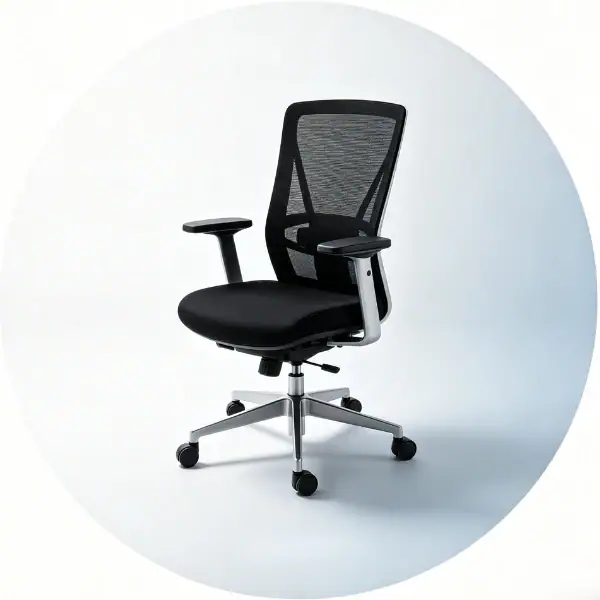
Ergonomic Seating