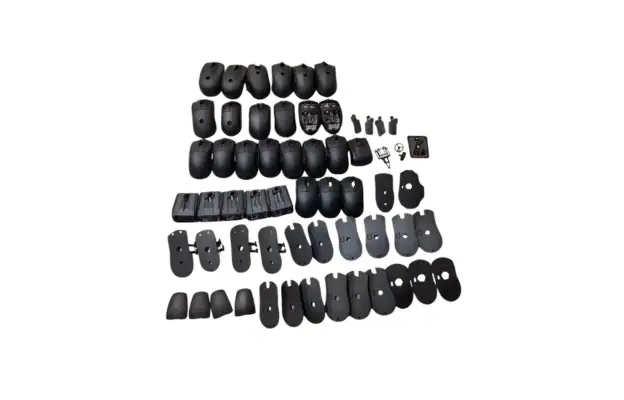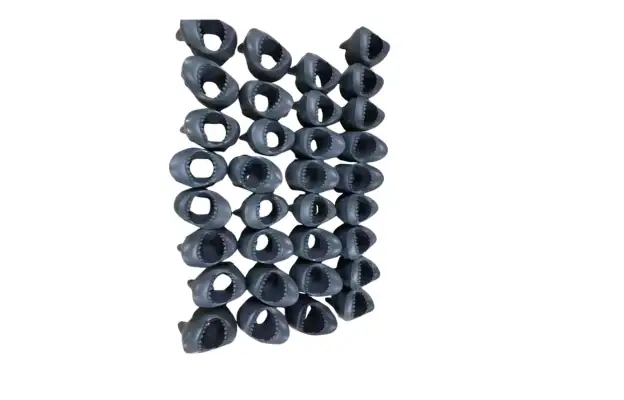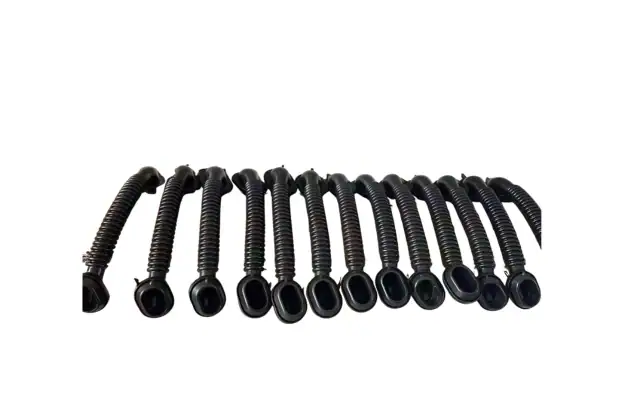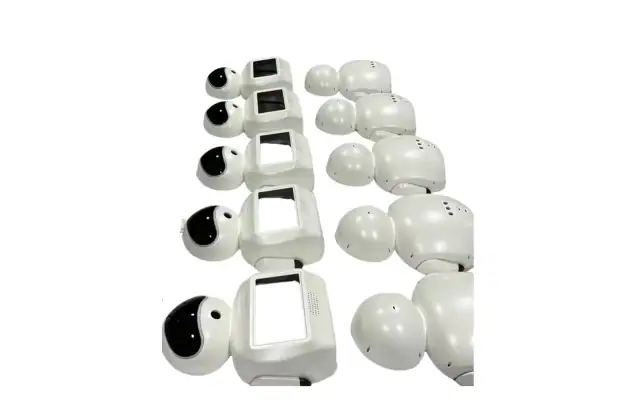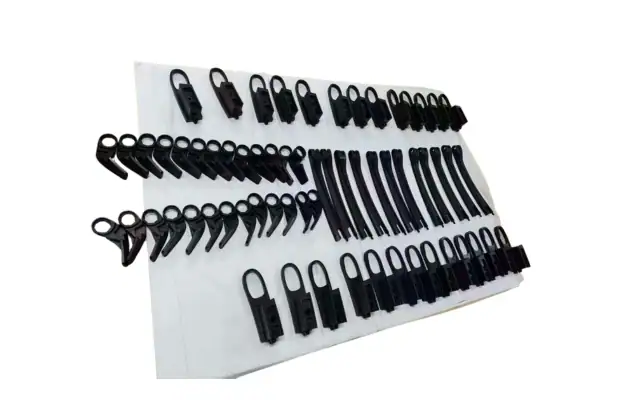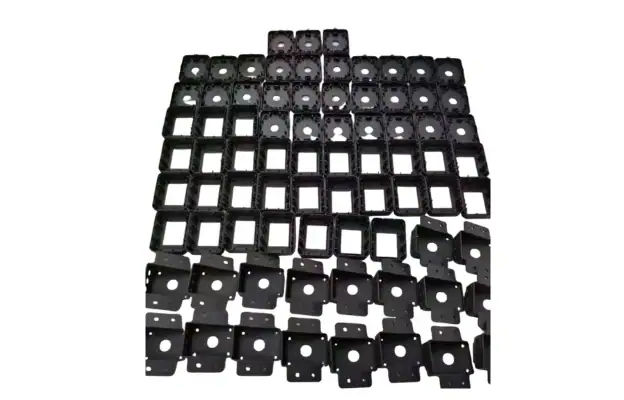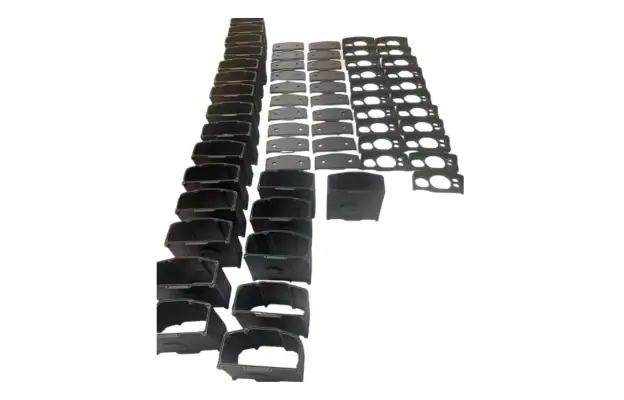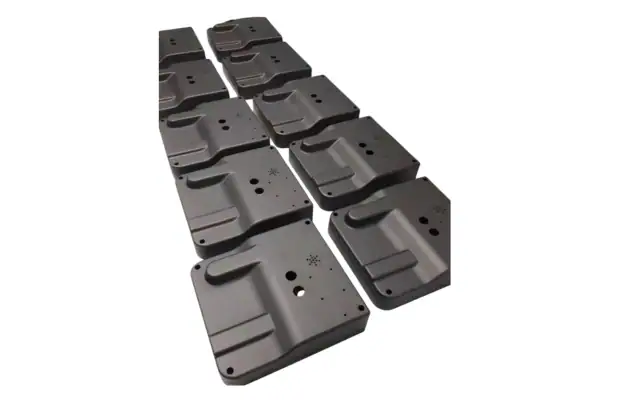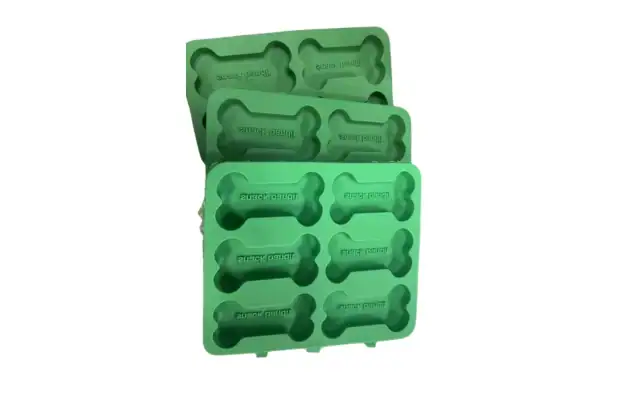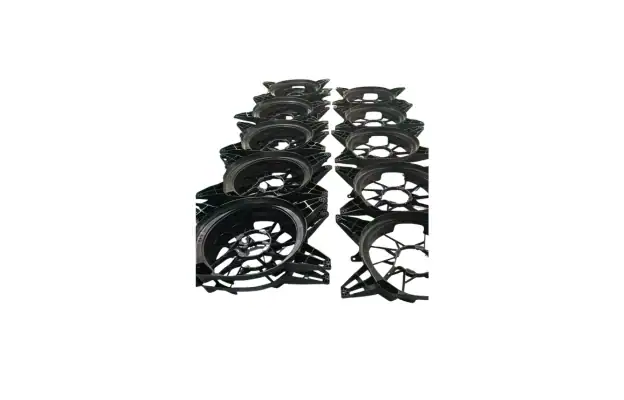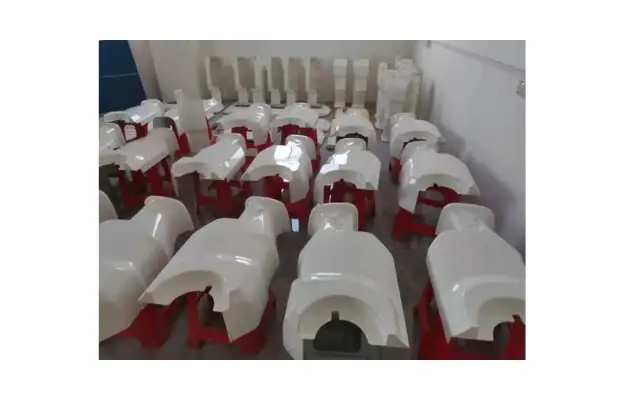

In-House Manufacturing
Complete plastic prototype manufacturing from machining to assembly.

Fast Quotation
Get engineering feedback and accurate quotations in as fast as 4 hours.
Fast Lead Times
Accelerate product development with rapid quotation and fast delivery.
No MOQ Required
From single prototypes to low-volume production without tooling investment.

Precision Quality Control
Strict inspection standards ensure dimensional accuracy, surface quality, and full traceability.

Transparent Production Process
Real-time production updates and visualized manufacturing progress throughout the project.
1
Send Your CAD Files
Send us your 3D CAD files, quantity requirements, material preferences, surface finishing needs, and assembly details for review.

2
Engineering Review & Material Selection
Our engineers review your design, material requirements, and casting needs to recommend the suitable vacuum casting solution.
3
Master Pattern Manufacturing
A high-precision master pattern is produced using CNC machining or SLA 3D printing for silicone mold creation.

4
Silicone Mold Production
Silicone molds are created from the master pattern to prepare for accurate low-volume vacuum casting production.
5
Vacuum Casting Production
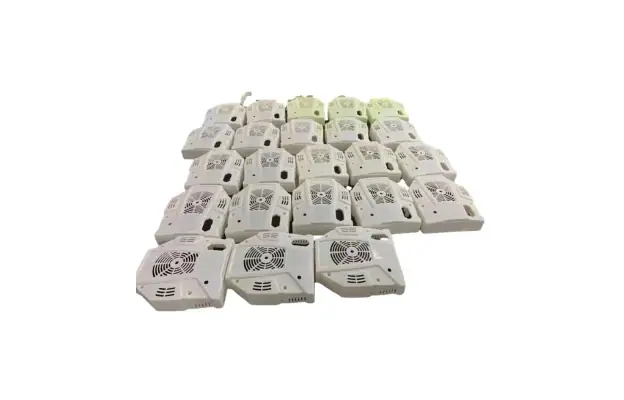
Polyurethane materials are cast into silicone molds to create production-like prototype parts with consistent quality.

6
Hand Finishing & Trial Assembly
Prototype parts are deburred, sanded, polished, and assembled to verify fit, structure, and appearance.

7
Surface Finishing
Finished prototypes are inspected, carefully packed, and prepared for shipment for engineering evaluation.

8
Final Inspection, Assembly & Delivery
Finished prototypes are inspected, assembled when required, and carefully packed for fast delivery.
Natural Finish
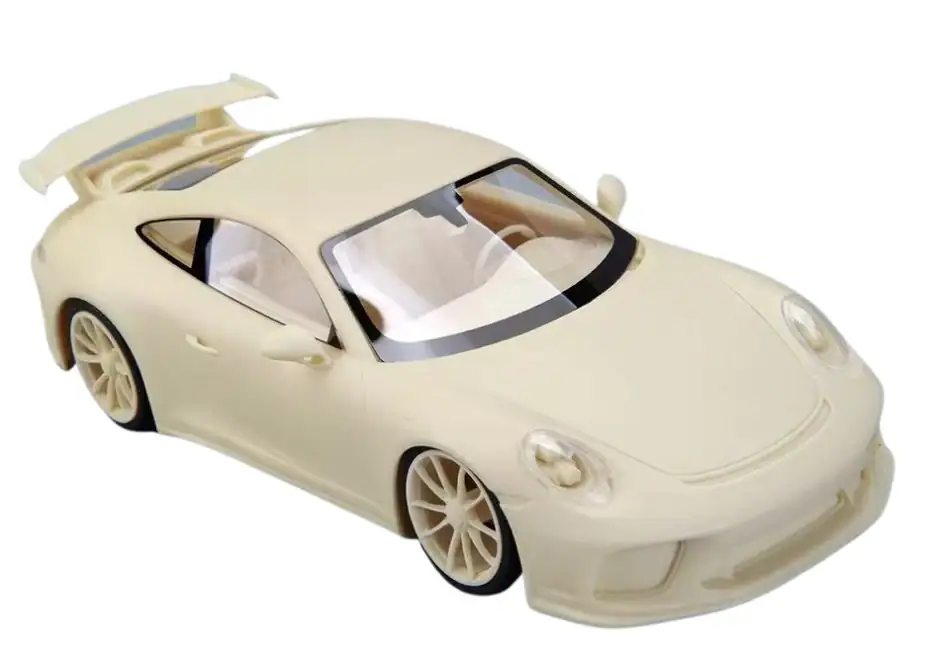
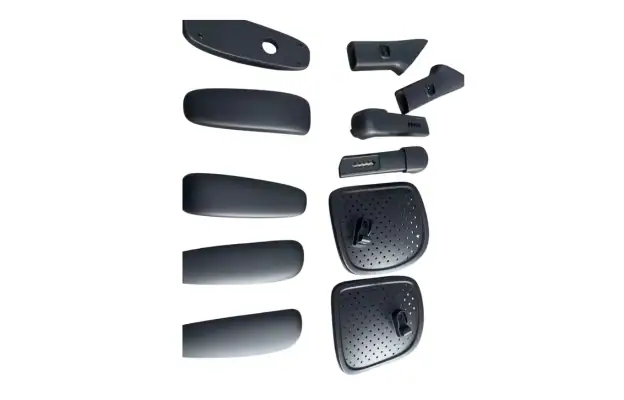
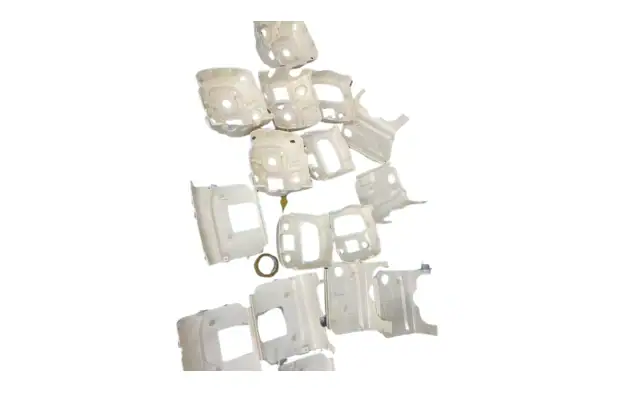
Natural finish removes burrs and machining marks while preserving the original color and texture of the raw material, providing a clean and functional surface for engineering prototypes.
Painting

Painting provides smooth cosmetic finishes with customized colors, textures, and surface effects for appearance prototypes and production-like parts.
Electroplating
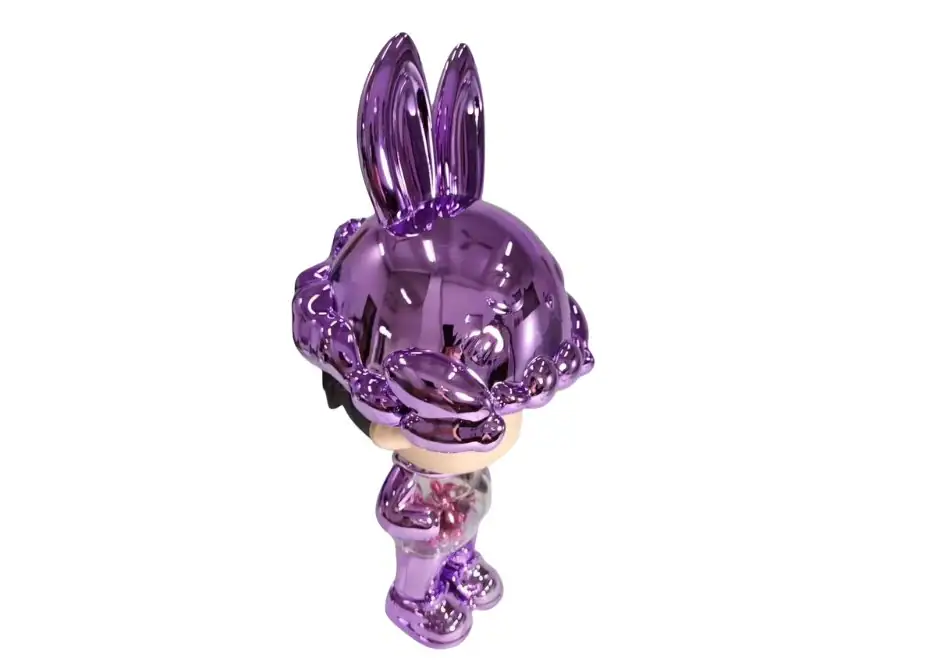
Electroplating applies a metallic coating to plastic parts, improving appearance, wear resistance, and production-like surface quality.
Silk Screening
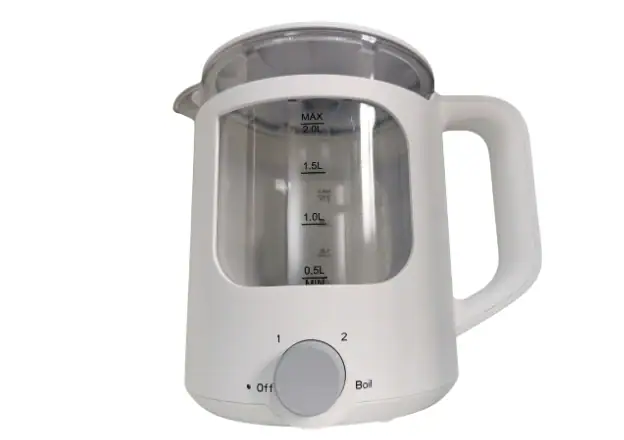
Silk screening is used to apply logos, graphics, and functional markings onto prototype surfaces with high clarity and durability.
UV Coating
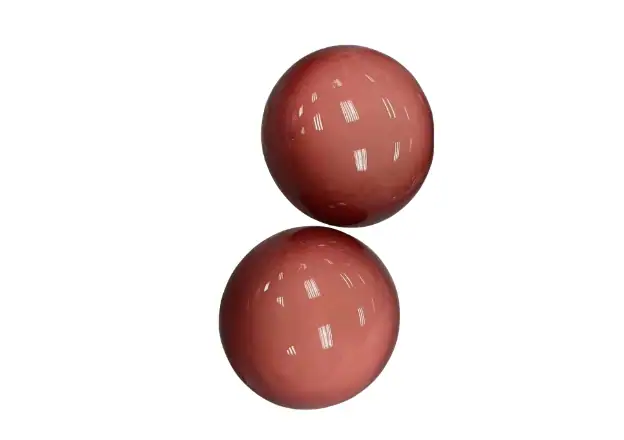
UV coating enhances surface gloss, scratch resistance, and cosmetic durability while improving the overall appearance of prototype parts.
Water Transfer Printing
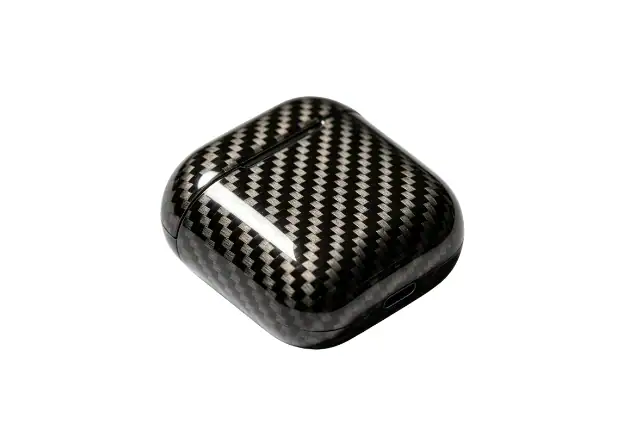
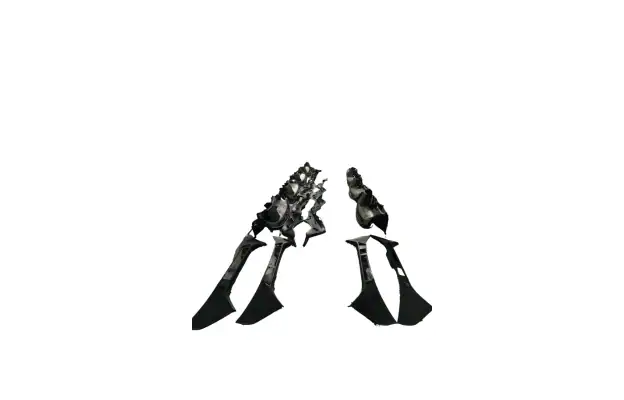
Water transfer printing enables complex patterns and decorative textures to be applied to curved and irregular prototype surfaces.

Medical Devices

Automotive
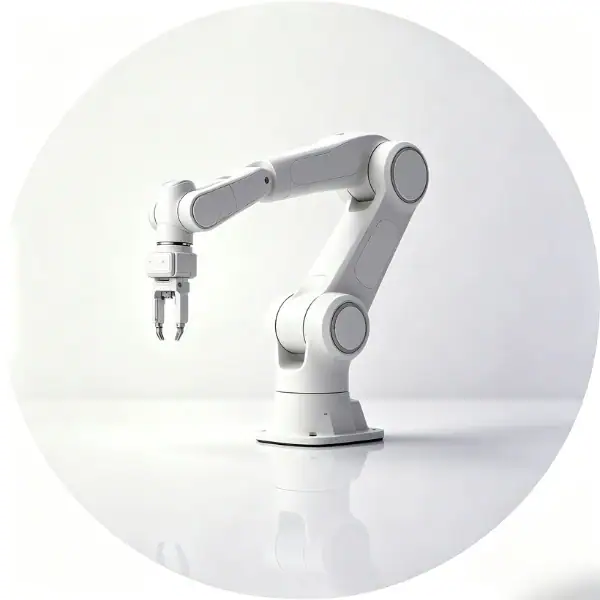
Robotics
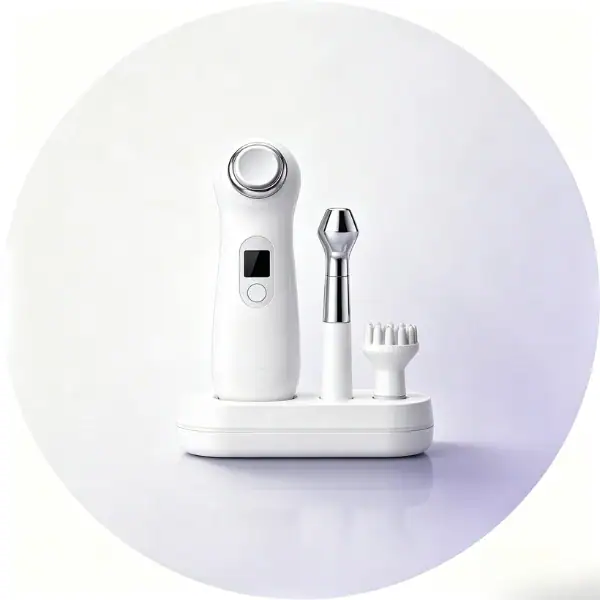
Beauty & Personal Care Devices

Consumer Electronics
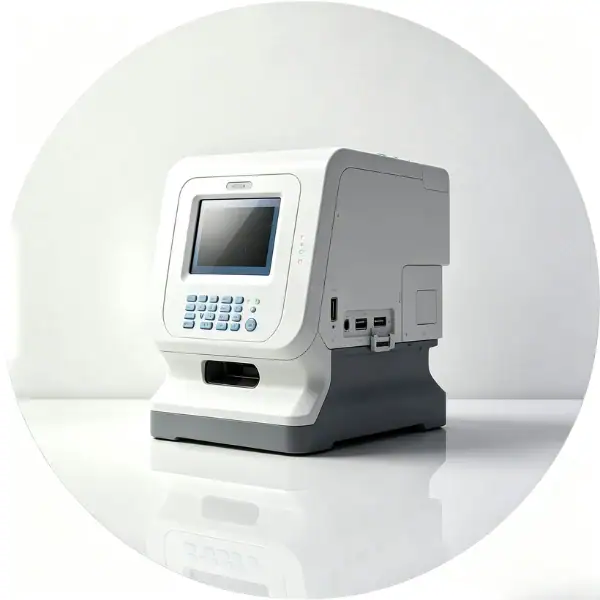
Industrial Equipment

Home Appliances
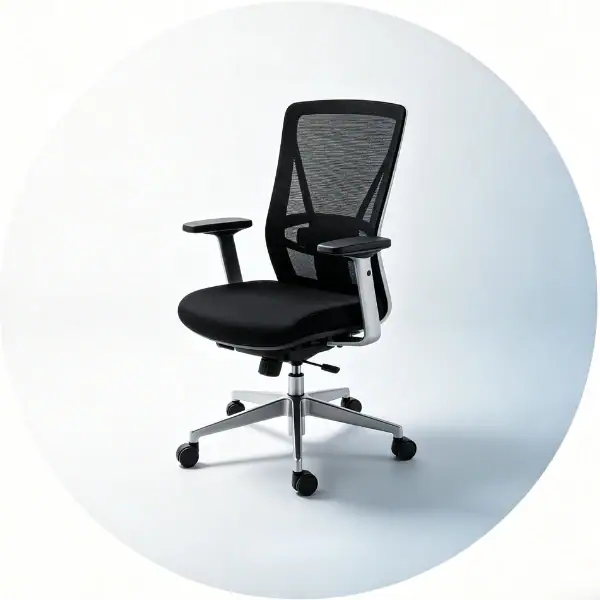
Ergonomic Seating