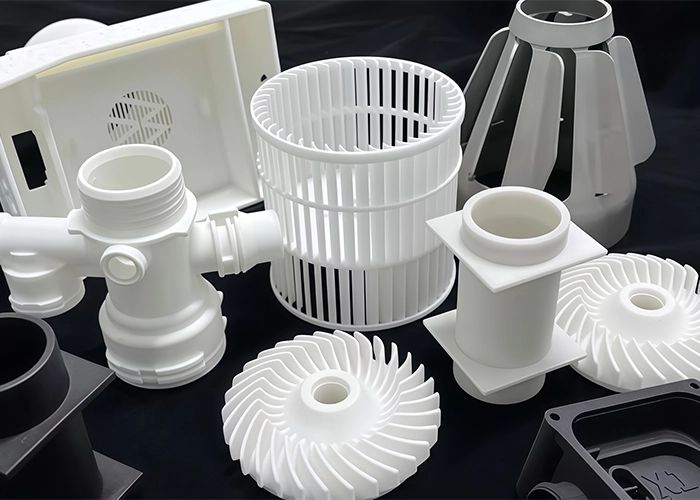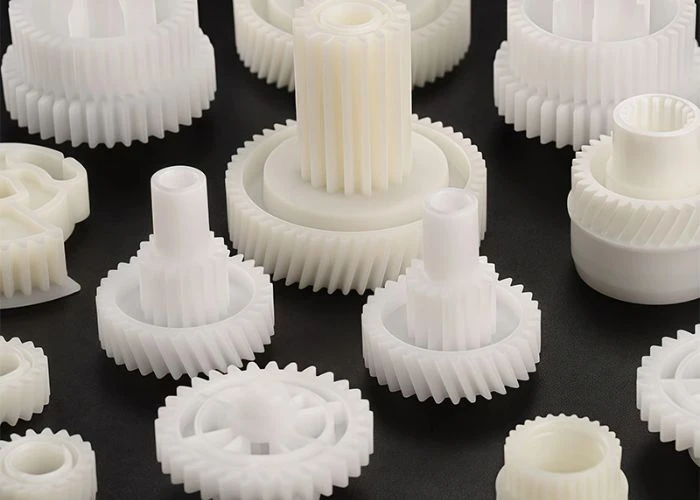

Coffee machine development often involves multiple plastic components that must work together within a compact product structure. From exterior housings and water-related parts to internal supports and removable components, engineers need physical prototypes to evaluate manufacturing feasibility and product development decisions. CNC plastic machining plays an important role in plastic prototyping by helping teams create functional prototype parts before production begins.
Coffee Machine Prototypes Involve More Than Exterior Housings
A coffee machine prototype is usually composed of multiple plastic components rather than a single housing. Different parts serve different purposes within the product and may follow different manufacturing and finishing routes. Understanding these differences helps engineers create more realistic prototypes and make better manufacturing decisions during development.
Compact Product Architecture
Most coffee machines contain a large number of functional components within a relatively limited space. Water systems, control modules, reservoirs, dispensing mechanisms, and supporting structures must fit within the product enclosure.
For prototype development, this means plastic components often need to work together as part of a complete assembly rather than being evaluated individually. The interaction between different parts becomes an important aspect of the prototype review process.
Removable Components Within the Prototype
Many coffee machine designs include removable elements such as drip trays, water reservoirs, service covers, or access panels. These components are frequently handled during product evaluation and user testing.
Because they are repeatedly installed and removed, these parts often require different attention during prototype manufacturing compared with fixed structural components.
Visible and Internal Plastic Components
Coffee machine prototypes typically contain both customer-facing parts and internal structural components. These two categories often serve very different purposes during product development.
Exterior housings, side panels, and front-facing sections are often reviewed for overall product appearance, while internal supports, mounting features, and positioning structures contribute to the complete prototype build behind the visible surfaces.
Coffee Machine Components Commonly Manufactured Through CNC Machining
Not every plastic component inside a coffee machine prototype requires the same manufacturing method. In many projects, CNC plastic machining is selected for parts that need to represent the intended product structure, support prototype assembly, or receive cosmetic finishing. At UForProto, I evaluate each plastic component individually rather than applying one manufacturing process to the entire prototype.
Exterior Housing Sections
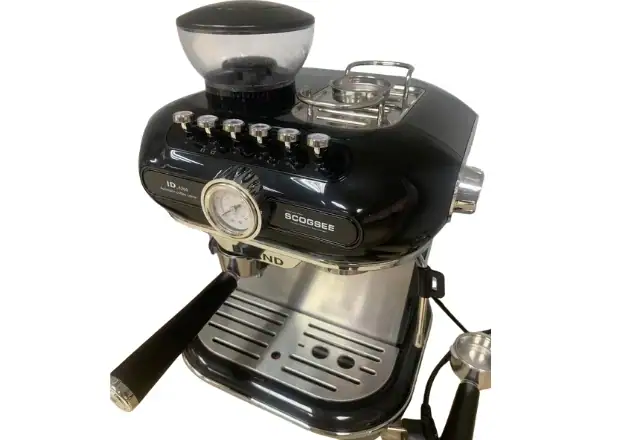
Exterior housings are among the most common plastic parts manufactured through CNC plastic machining in coffee machine prototype projects. These components usually define the overall appearance of the product while also enclosing the internal systems.
A coffee machine housing is often divided into multiple sections rather than one single shell. Front panels, side covers, upper housings, and decorative trims may all be manufactured separately before becoming part of the final prototype build.
For plastic prototyping projects, these housing components frequently continue into sanding, painting, silk screening, or other finishing operations after machining.
Transparent Reservoir Components
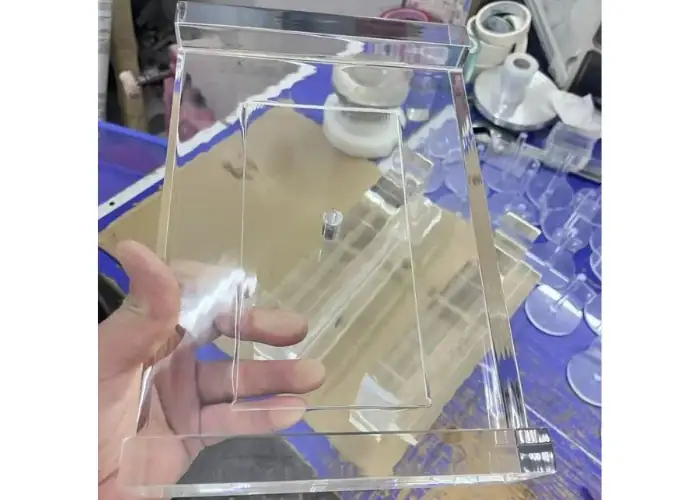
Many coffee machines contain visible water reservoirs or liquid-level viewing sections. These transparent components often play an important role during prototype reviews because they directly influence how the product is perceived by users.
When PMMA or other transparent plastics are used, machining becomes only one stage of the manufacturing process. The final appearance of these parts is also influenced by subsequent polishing and surface preparation activities.
For coffee machine prototypes, transparent parts are often reviewed alongside surrounding painted housings, making overall appearance coordination an important consideration.
Functional Plastic Components
Beyond exterior housings, coffee machine prototypes often include a variety of functional plastic components. These may include internal supports, mounting structures, cover sections, positioning features, tray-related parts, and other plastic elements used throughout the product.
Although these parts may not always be visible after assembly, they contribute directly to how the complete prototype is built and evaluated.
In many coffee machine prototype projects, functional plastic components account for a significant portion of the overall CNC machining workload.
Manufacturing Characteristics of Coffee Machine Plastic Prototypes
Coffee machine prototypes differ from many other consumer products because they often combine appearance-focused parts, transparent components, removable sections, and internal structures within a compact product body. These characteristics influence how prototype parts are manufactured and prepared throughout the project.
Wrapped Housing Structures
Many coffee machine housings wrap around multiple sides of the product instead of forming simple flat panels. These parts often combine exterior appearance requirements with internal packaging functions.
From a prototype manufacturing perspective, these housing sections are often evaluated as complete assemblies rather than isolated components because their relationship with adjacent parts influences the overall product presentation.
Transparent Plastic Finishing Requirements
Transparent plastic components create different manufacturing requirements from painted housing parts. Surface conditions that may remain hidden on painted components often become much more noticeable on clear plastic parts.
For coffee machine prototypes, this means transparent parts are frequently planned and reviewed separately from surrounding cosmetic housing components.
Close-Range Cosmetic Surfaces
Unlike outdoor equipment or industrial products, coffee machines are normally placed on countertops and viewed from a short distance. As a result, exterior surfaces receive greater attention during prototype reviews.
Visible housing sections, front-facing panels, and decorative areas are often examined together to evaluate the overall appearance of the finished prototype.
Finishing Strategies for CNC-Machined Coffee Machine Parts
For coffee machine prototypes, machining is often only one stage of the manufacturing process. Different plastic components may require different finishing routes depending on their role within the product. Planning these activities early helps create a prototype that more closely reflects the intended product appearance.
Painted Plastic Components
Many coffee machine prototypes include painted housings, front panels, side covers, and decorative exterior components. These parts are often reviewed by engineering teams, product managers, marketing departments, or customers during the development process.
For plastic prototyping projects, painting is often used to simulate the intended production appearance before tooling investment begins. Different colors, gloss levels, textures, or cosmetic effects may be applied according to the project requirements.
Visible Housing Areas
Not every surface of a coffee machine receives the same level of visual attention. Front-facing panels, control areas, cup-placement zones, and upper visible sections often become the primary focus during prototype reviews.
During prototype preparation, these areas are often treated differently from hidden or secondary surfaces. This helps concentrate finishing resources where they have the greatest impact on overall product presentation.
Internal Structural Components
Not all coffee machine parts require cosmetic finishing. Internal supports, positioning structures, mounting features, and hidden brackets often serve a functional purpose within the prototype.
For these components, manufacturing efforts are usually directed toward supporting the complete prototype build rather than achieving a finished exterior appearance. This approach helps maintain manufacturing efficiency while keeping the prototype aligned with its development objective.
Combining CNC Machining With Other Prototype Processes
A complete coffee machine prototype does not always rely on a single manufacturing method. Depending on the development objective, different plastic components may be produced through different processes within the same project.
At UForProto, I evaluate each plastic component individually and select the process that best supports its role within the prototype.
Vacuum Casting for Repeated Prototype Parts
When a coffee machine project requires several identical prototype units, vacuum casting can become a practical option for certain plastic components.
Exterior panels, decorative covers, reservoir housings, and other repeated appearance parts are common candidates for this approach when multiple prototype builds are required.This method allows prototype teams to obtain multiple sets of similar parts without immediately moving into production tooling.
3D Printing for Secondary Prototype Components
Some coffee machine components may be used primarily for concept verification, internal evaluation, or temporary prototype support. In these situations, 3D printing can complement CNC plastic machining within the same project.
This approach is especially useful when different prototype objectives exist within the same development cycle and not every component requires the same manufacturing route.
Project Information Required Before Manufacturing
A well-prepared prototype project usually moves through manufacturing more efficiently. Before production begins, I prefer to understand not only the CAD design but also the intended use of the prototype, the required finishing level, and the expected delivery condition.
CAD Data and Part Requirements
Complete CAD files provide the foundation for prototype manufacturing. In addition to geometry, information such as material preferences, quantities, assembly relationships, and special requirements helps establish a more suitable manufacturing plan.
For coffee machine prototypes, identifying which parts belong to the housing system, reservoir system, decorative components, or internal structures can simplify project planning from the beginning.
Visible Surface and Transparent Area Identification
Coffee machine prototypes often contain both painted surfaces and transparent plastic components within the same product. These areas usually follow different finishing routes and evaluation standards.
Clearly identifying visible surfaces, decorative areas, logo locations, and transparent sections helps ensure that manufacturing resources are focused where they matter most.
Prototype Assembly Scope Definition
Prototype projects can vary significantly in delivery scope. Some customers require individual plastic parts, while others need painted housings, partial assemblies, or complete prototype builds.
Defining the assembly scope before manufacturing helps organize machining, finishing, purchased components, and prototype build activities more effectively.
UForProto Support for Coffee Machine Prototype Manufacturing
Coffee machine prototype projects often combine multiple plastic components, cosmetic requirements, transparent parts, and assembly-related features within one product. At UForProto, we support these projects through CNC plastic machining, vacuum casting, SLA and SLS 3D printing, surface finishing, and prototype build services.
By selecting suitable manufacturing methods for different plastic components, we help engineering teams obtain prototypes that better support evaluation, presentation, and product development activities.
Conclusion
Coffee machine prototype manufacturing involves much more than producing exterior housings. From visible cosmetic components and transparent reservoir parts to internal structural features and removable sections, different plastic components often require different manufacturing and finishing approaches. By selecting suitable prototype processes for each part, engineering teams can obtain more useful feedback and support better product development decisions before production begins.
FAQs
1. Which Coffee Machine Parts Are Commonly Manufactured Through CNC Plastic Machining?
Exterior housings, side covers, top panels, internal supports, mounting structures, tray components, and various functional plastic parts are commonly produced through CNC plastic machining.
2. Can Transparent Water Reservoir Parts Be CNC Machined?
Yes. PMMA and other transparent plastics can be machined for prototype applications. Depending on the project requirements, polishing and other finishing processes may also be applied.
3. When Is Vacuum Casting Suitable for Coffee Machine Prototypes?
Vacuum casting is often suitable when multiple sets of similar prototype parts are required before investing in production tooling.
4. Can One Coffee Machine Prototype Use Multiple Manufacturing Processes?
Yes. Many projects combine CNC plastic machining, 3D printing, vacuum casting, surface finishing, and assembly support within the same prototype build.
5. Why Are Coffee Machine Prototypes Often More Complex Than Single Housing Projects?
Coffee machines usually contain multiple exterior parts, removable components, transparent sections, internal structures, and appearance requirements that must work together within a compact product design.
6. What Information Is Needed for a Coffee Machine Prototype Quote?
I recommend providing CAD files, quantities, material preferences, finishing requirements, assembly expectations, and any special areas that require cosmetic or transparent surface treatment.