
Home appliance products cover a wide range of categories, from kitchen appliances and personal care devices to cleaning equipment and smart home products. Although these products serve different functions, many rely on plastic components for their appearance, structure, and user interaction features. CNC plastic machining plays an important role in plastic prototyping by helping engineers evaluate physical parts before committing to production tooling and large-scale manufacturing.
Diversity in Home Appliance Prototype Manufacturing
Unlike products that focus on a single structural function, home appliances often combine appearance requirements, user interaction, internal structures, and assembly-related components within the same product. As a result, prototype manufacturing usually involves multiple types of plastic parts with different development objectives.
Different Categories of Home Appliances
The prototype requirements of a countertop coffee machine differ significantly from those of a robotic vacuum cleaner, air purifier, beauty device, or kitchen appliance. Product size, assembly structure, surface expectations, and user interaction methods can vary considerably between categories.
For prototype manufacturing, these differences influence how plastic components are planned, produced, and prepared throughout the development process.
User-Handled and Fixed Plastic Components
Many home appliances include plastic parts that users touch every day. Buttons, covers, handles, lids, trays, and control areas often play an important role in product evaluation because they influence how the product feels during use.
At the same time, appliances also contain fixed structural components that remain hidden after assembly. These internal parts support the overall product but are usually evaluated according to different criteria than user-facing components.
Exterior and Internal Plastic Structures
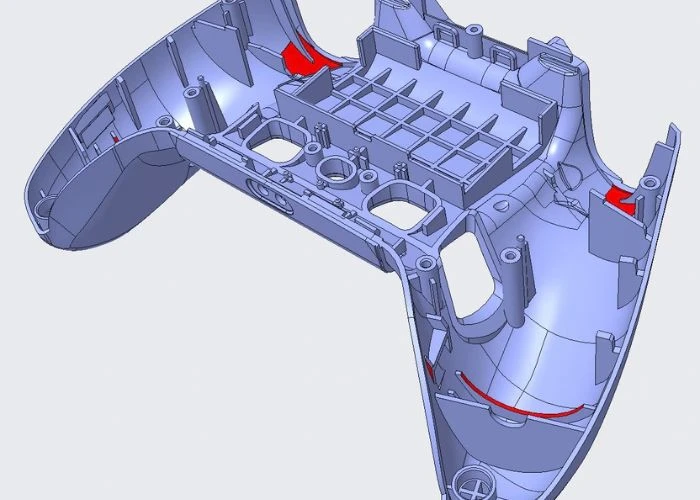
A complete home appliance prototype often contains both cosmetic and functional plastic components. Exterior housings, decorative panels, and visible covers contribute to product appearance, while internal supports, mounting features, and positioning structures help create a complete prototype build.
For engineering teams, evaluating how these different plastic components work together is often just as important as reviewing individual parts.
Applications of CNC Plastic Machining in Home Appliance Prototypes
Home appliance prototypes often contain a combination of cosmetic parts, structural components, user-operated features, and assembly-related plastic parts. In many projects, CNC plastic machining is selected for components that need to represent the intended product structure and support prototype evaluation throughout development.
Exterior Housing Development
Exterior housings are among the most common plastic components manufactured during home appliance development. Whether the product is a coffee machine, air purifier, beauty device, robot vacuum, or kitchen appliance, the housing usually defines the product’s overall appearance and physical footprint.
Most appliance housings are divided into multiple sections rather than being produced as a single shell. Front panels, side covers, upper housings, rear covers, and decorative trims are often manufactured separately before final assembly.
For plastic prototyping projects, these housing components frequently continue into sanding, painting, texture simulation, or logo application after machining.
User Interaction Components
Many home appliances contain plastic parts that users interact with directly during normal operation. Control panels, buttons, lids, handles, knobs, removable trays, and access covers are common examples.
These parts are often reviewed not only for appearance but also for how they integrate into the overall product experience. During prototype development, engineering teams may evaluate access, movement, handling, and installation characteristics through physical components.
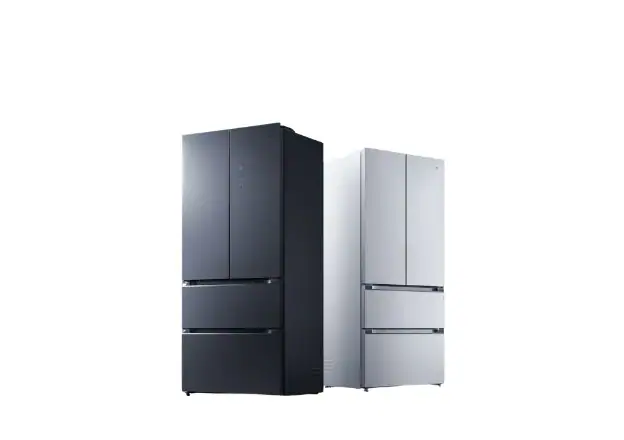
Large Appliance Panels
Certain appliance categories contain larger plastic panels than typical countertop products. Examples include appliance front panels, equipment covers, protective doors, side sections, and structural exterior components.
For these projects, prototype manufacturing often focuses on how different sections combine into the complete product rather than treating each panel as an isolated part.
This is especially common in products where multiple exterior components need to align visually after assembly.
Functional Plastic Components
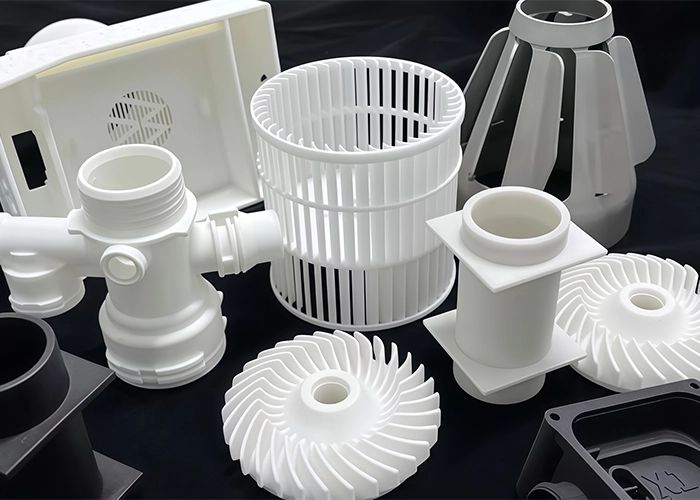
Beyond visible surfaces, home appliance prototypes often contain numerous functional plastic components that support the complete product build. These may include mounting structures, positioning features, support brackets, internal covers, and assembly-related plastic parts.
Although these components may not be visible in the finished product, they play an important role during prototype manufacturing and assembly preparation.
For many home appliance prototype projects, the total number of functional plastic components can exceed the number of visible exterior parts.
Manufacturing Considerations for Home Appliance Plastic Prototypes
Home appliance prototypes often contain a mixture of appearance-focused components, user-operated parts, and internal structures. As a result, manufacturing planning involves more than producing individual plastic parts. Different prototype objectives may require different manufacturing, finishing, and assembly strategies within the same project.
Delivery Conditions for Different Plastic Parts
Not every component within a home appliance prototype requires the same level of completion. Some parts may be delivered as machined components, while others may require painting, texture simulation, or full prototype assembly.
Defining the intended delivery condition early helps establish a more suitable manufacturing route for each component.
Surface Finishing as Part of the Manufacturing Plan
Many home appliances are consumer-facing products where appearance plays an important role in product evaluation. Surface finishing is therefore often planned together with manufacturing rather than being treated as a separate activity.
Painted surfaces, decorative areas, logos, textures, and cosmetic features may all influence how prototype parts are prepared throughout the project.
Prototype Assembly Within Product Development
A complete home appliance prototype is usually assembled from multiple plastic and non-plastic components. Evaluating these parts as a complete product often provides more useful information than reviewing individual components separately.
Prototype assembly helps development teams review product integration, component coordination, and overall build readiness before moving toward production.
Combining CNC Machining With Other Prototype Processes
A home appliance prototype does not always rely on a single manufacturing process. Different plastic components often serve different purposes during product development, making it practical to combine multiple prototype technologies within the same project.Selecting the right process for each component helps engineering teams obtain useful prototype feedback while maintaining development flexibility throughout the project.
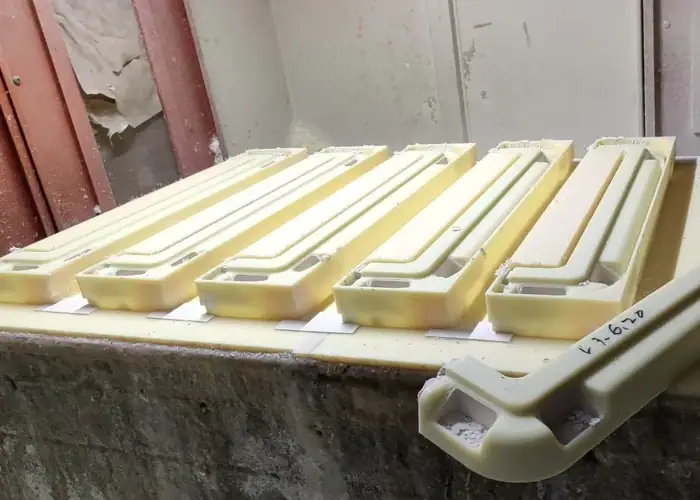
Vacuum Casting for Repeated Plastic Parts
Some home appliance projects require more than one prototype unit. Internal testing, customer reviews, certification preparation, and marketing demonstrations may all require multiple sets of similar plastic components.
For these situations, vacuum casting can support the production of repeated appearance parts without immediately investing in production tooling.
Control panels, exterior covers, decorative housings, and cosmetic plastic components are commonly considered for this approach when multiple prototype sets are required.
3D Printing for Development Flexibility
During early-stage development, some plastic parts may still be evolving while other areas of the product have already entered a more stable design phase.
In these situations, 3D printing can help support rapid design iteration without affecting the manufacturing plans for other components.
For home appliance prototypes, this flexibility is often useful when product layouts, user interface details, or secondary plastic components continue to develop throughout the project.
Component-Level Process Selection
Not every plastic component needs to follow the same manufacturing route. A complete home appliance prototype may contain CNC-machined parts, vacuum-cast components, and 3D-printed sections at the same time.
At UForProto, I evaluate each component according to its function, quantity requirements, finishing expectations, and role within the complete prototype build.
This approach allows different manufacturing technologies to complement each other rather than forcing every part into one process.
Preparing a Home Appliance Prototype Project
Well-organized project information helps prototype manufacturing proceed more efficiently. Before production begins, engineering teams can improve communication and reduce unnecessary revisions by defining key project requirements clearly.
CAD File Management and Revision Control
Prototype manufacturing is typically based on CAD data. Maintaining clear version control helps ensure that all manufacturing activities follow the latest approved design.
For home appliance projects involving multiple plastic components, organized file management becomes increasingly important as product complexity grows.
Prototype Set Quantity Planning
Different project stages may require different quantities of prototype parts. Some projects only require one complete prototype, while others may require several units for evaluation, testing, or customer review.
Defining quantity requirements early helps determine suitable manufacturing routes and production planning.
Customer-Supplied Components and Assembly Scope
Many home appliance prototypes contain purchased components such as displays, motors, switches, power modules, or hardware supplied by the customer.
Understanding which components will be supplied by the customer and which assembly activities are required helps establish a clearer prototype build plan from the beginning.
UForProto Support for Home Appliance Prototype Manufacturing
Home appliance prototype projects often involve a combination of cosmetic parts, structural components, user-operated features, and assembly-related plastic parts. At UForProto, we support these projects through CNC plastic machining, vacuum casting, SLA and SLS 3D printing, surface finishing, and prototype build services.
From countertop appliances and beauty devices to smart home products and larger equipment housings, we evaluate each plastic component according to its role within the prototype. This approach helps engineering teams obtain prototypes that better support product evaluation, internal reviews, assembly preparation, and development decisions.
Conclusion
Home appliance prototype manufacturing often involves far more than producing a single plastic housing. Different products may contain exterior panels, user-operated components, internal structures, decorative parts, and assembly-related features that require different manufacturing approaches. By combining CNC plastic machining with suitable prototype technologies, engineering teams can obtain more meaningful development feedback and support better product decisions before production begins.
FAQs
1. Which Home Appliance Parts Are Commonly Manufactured Through CNC Plastic Machining?
Exterior housings, control panels, handles, lids, decorative covers, support structures, mounting features, and many other plastic components are commonly produced through CNC plastic machining.
2. Can One Home Appliance Prototype Use Multiple Manufacturing Processes?
Yes. Many projects combine CNC plastic machining, 3D printing, vacuum casting, surface finishing, and prototype assembly services within the same prototype build.
3. When Is Vacuum Casting Suitable for Home Appliance Prototypes?
Vacuum casting is often suitable when multiple sets of similar plastic prototype parts are required before investing in production tooling.
4. Why Is Prototype Assembly Important During Product Development?
Prototype assembly helps development teams evaluate how different components work together within the complete product and identify potential issues before production planning begins.
5. What Information Helps Start a Home Appliance Prototype Project?
CAD files, quantities, material requirements, finishing expectations, assembly scope, and delivery objectives all help establish a more accurate manufacturing plan.
6. What Types of Home Appliance Prototypes Can Benefit From CNC Plastic Machining?
Products such as coffee machines, beauty devices, air purifiers, robot vacuums, kitchen appliances, smart home devices, and many other plastic-based products can benefit from CNC plastic machining during development.