
Developing a lawn mower prototype involves more than creating a physical model. Engineers often need to evaluate structural layouts, assembly conditions, component integration, and product usability before moving toward production. CNC plastic machining plays an important role in this process by providing accurate plastic prototype parts that support practical engineering validation.
The Role of CNC Plastic Machining in Lawn Mower Prototype Development
Lawn mower prototypes are often used to evaluate more than appearance. Engineers need physical parts that help them review assembly relationships, component placement, service access, and overall product feasibility. CNC plastic machining allows these evaluations to take place using real prototype components instead of relying only on digital models.
Prototype Evaluation Beyond CAD Models
A CAD model can define dimensions and product geometry, but it cannot always reveal how components interact in real-world conditions. Physical prototype parts help engineers understand whether the intended design can function as expected during assembly and evaluation.
For lawn mower development, this evaluation may involve checking component access, installation space, fastening locations, and the relationship between multiple plastic and mechanical parts.
Functional Plastic Components in Product Development
A lawn mower prototype becomes more valuable when it can provide useful engineering feedback. Functional plastic parts allow teams to evaluate how the product behaves as a physical assembly rather than as a concept model.
Compared with appearance-only models, CNC-machined prototype parts help engineers review installation methods, assembly relationships, and practical product interactions that influence future development decisions.
Supporting Pre-Production Decision Making
Before committing to production tooling or larger manufacturing investments, engineers often need confidence that the product concept can perform as intended. A physical prototype provides information that is difficult to obtain through drawings alone.
For lawn mower projects, prototype validation can help identify practical manufacturing considerations earlier in the development cycle, reducing uncertainty before production planning begins.
Key Lawn Mower Prototype Components Manufactured Through CNC Machining
A lawn mower prototype usually contains several types of plastic components with different development objectives. Some parts help evaluate product structure, while others support usability reviews or appearance assessments. At UForProto, I review each component according to its role within the prototype rather than applying the same manufacturing approach to every part.
Main Housing Structures
The housing is often one of the largest plastic components in a lawn mower prototype. Besides defining the overall appearance, it also provides space for batteries, motors, wiring routes, and other internal systems.
During prototype development, engineers often use housing parts to review product packaging, service access, protective coverage, and the relationship between internal and external structures.
For this reason, CNC plastic machining is frequently used to create housing prototypes that represent the intended product configuration more realistically.
Internal Mounting and Support Components
Many important prototype evaluations take place inside the product rather than on visible surfaces. Mounting brackets, support frames, battery holders, and connection structures all influence how the complete product comes together.
Although these parts may not receive the same attention as exterior housings, they often determine whether major components can be positioned and secured as intended.
For lawn mower prototypes, these structural components frequently provide some of the most useful engineering feedback during the development process.
Control Panels and User Interface Parts
Unlike many industrial products, lawn mowers are directly operated by end users. As a result, control panels, switch covers, display surrounds, and handle-related plastic parts become important prototype elements.
These parts help development teams review how operators interact with the product, whether control areas are easy to access, and how different interface elements work together within the overall design.
For outdoor equipment, usability is often reviewed alongside product performance, making these prototype components an important part of the development process.
CNC Plastic Machining Across Different Development Stages
The role of a prototype often changes as a project progresses. Early prototypes may focus on confirming product concepts, while later builds place greater emphasis on engineering review, assembly preparation, and product refinement. CNC plastic machining remains relevant throughout these stages because it can support different prototype objectives without requiring production tooling.
From Structural Evaluation to Functional Prototypes
Early development work often focuses on whether the product architecture is practical. As the design matures, engineers begin evaluating how different components work together as a complete system.
This progression allows prototype objectives to evolve from basic structure confirmation toward more comprehensive product assessment.
Engineering Validation Beyond Appearance Models
Appearance models can help communicate product form, but many development decisions depend on physical interaction between components. Engineers often need to understand how parts behave once they are assembled into a working product.
For lawn mower prototypes, these evaluations may involve component integration, internal packaging, service access, and product operation. This type of engineering feedback often plays a greater role in later development stages than appearance alone.
Selecting the Right Manufacturing Method for Lawn Mower Prototypes
Not every plastic component in a lawn mower prototype requires the same manufacturing process. The most suitable method depends on what engineers need to evaluate, how many parts are required, and how closely the prototype should represent the intended product.
At UForProto, I evaluate the manufacturing route based on the purpose of each plastic component rather than applying one solution to the entire project.
CNC Machining for Structural Plastic Components
Many lawn mower prototype parts must support the overall product structure. These components may include main housings, protective covers, support frames, mounting features, and other parts that interact directly with surrounding components.
For these applications, CNC plastic machining provides a practical way to manufacture prototype parts from engineering plastics while maintaining the intended product configuration.
In lawn mower development, these structural parts often become the foundation for later assembly, testing, and product refinement activities.
3D Printing for Early Concept Verification
During the early stages of development, engineers may simply need to review overall product form, basic proportions, or design direction before committing to more detailed prototype manufacturing.
For lawn mower projects, 3D printing can support the creation of concept housings, handle forms, protective covers, or simplified product sections that help teams visualize the design.
As development progresses and engineering requirements become clearer, more detailed prototype manufacturing methods may then be introduced.
Vacuum Casting for Multiple Prototype Units
Some lawn mower development programs require more than one prototype unit. Internal testing, customer reviews, distributor demonstrations, or field evaluations may all require several sets of similar plastic components.
When repeated appearance parts or housing components are needed, vacuum casting can provide an efficient method for producing multiple prototype sets before production tooling is introduced.
For lawn mower prototype programs, this approach is often useful when several identical builds are required within a limited development schedule.
Manufacturing Considerations for Lawn Mower Plastic Prototypes
Compared with many smaller consumer products, lawn mower prototypes often involve larger plastic components, multiple protective structures, and several interconnected assemblies. These characteristics influence how prototype parts are manufactured, finished, and prepared for evaluation.
Large Plastic Housing Manufacturing
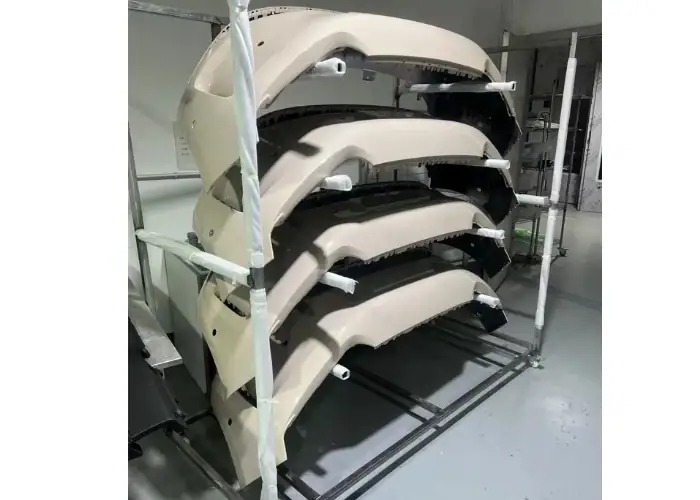
Large housing sections are common in lawn mower products. These parts often define the external appearance while also protecting internal systems from the surrounding environment.
From a manufacturing perspective, larger plastic parts require careful planning of machining orientation, part handling, and subsequent finishing activities to ensure the prototype can be completed efficiently.
Multi-Part Prototype Coordination
A lawn mower prototype is rarely a single-part project. Housings, covers, guards, supports, and interface components often need to be manufactured separately before becoming part of the complete build.
As the number of components increases, coordination between machining, finishing, inspection, and assembly activities becomes increasingly important.
Surface Preparation and Finishing Requirements
Many lawn mower prototypes are reviewed not only by engineering teams but also by product managers, distributors, or potential customers. As a result, visible plastic surfaces may require additional preparation before presentation or evaluation.
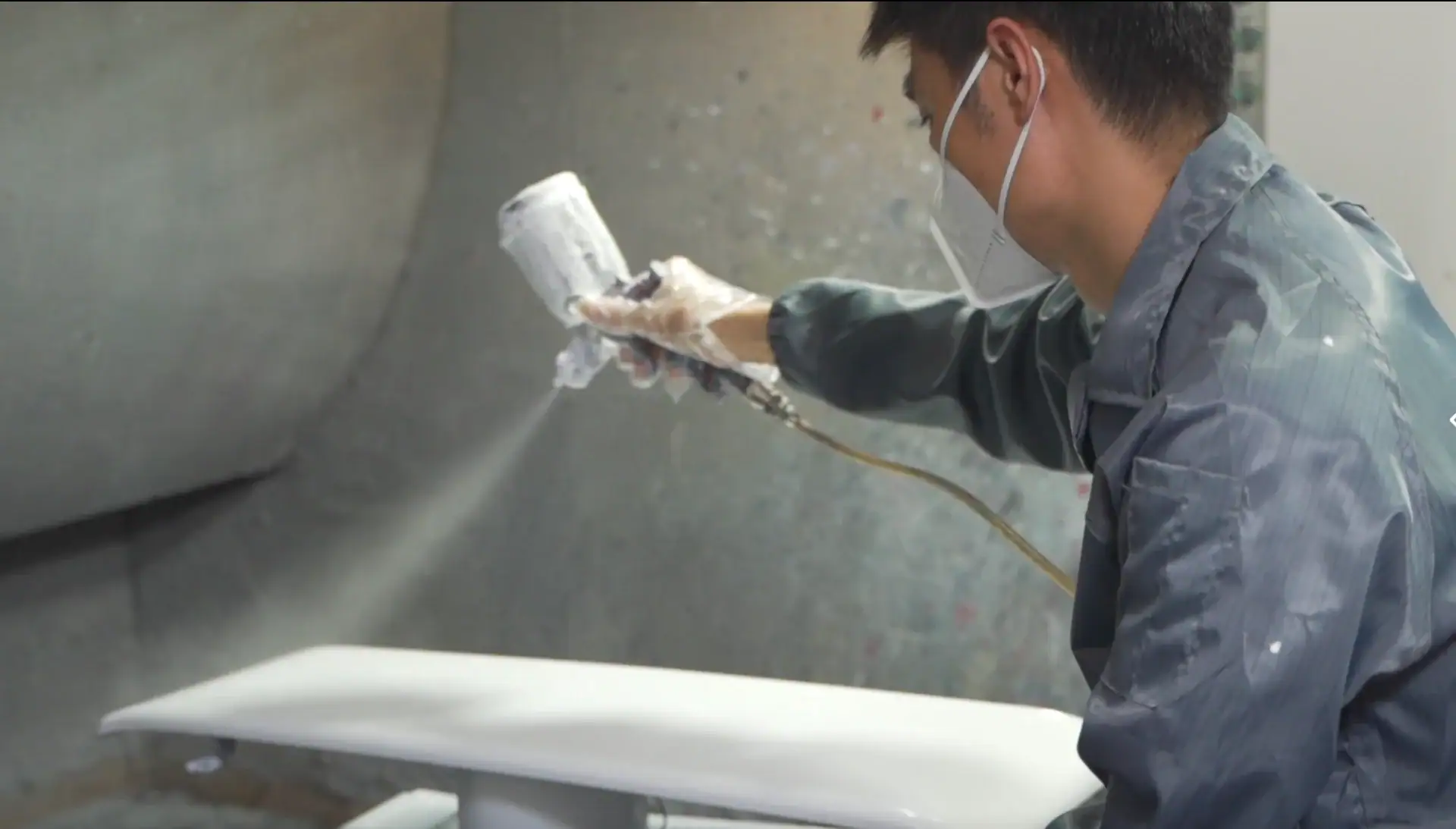
Painting, texture simulation, logo application, and other finishing operations may be introduced according to the intended prototype objective and review purpose.
How UForProto Supports Lawn Mower Prototype Manufacturing
Lawn mower prototype projects often involve multiple plastic components, different manufacturing processes, and various prototype objectives throughout development. At UForProto, we focus on plastic prototyping and help engineering teams move from CAD designs to physical prototype parts through coordinated manufacturing support.
Integrated Plastic Prototype Manufacturing
Our manufacturing capabilities include CNC plastic machining, SLA and SLS 3D printing, vacuum casting, surface finishing, and prototype assembly. This allows different lawn mower prototype components to be produced and managed within a single project workflow.
By selecting the most suitable process for each plastic component, we help customers obtain prototypes that better support their development objectives.
Prototype Build and Assembly Support
Many lawn mower development projects require more than individual parts. Housing sections, internal supports, covers, and purchased components often need to be assembled into a complete prototype before evaluation begins.
Our prototype build service helps coordinate machining, finishing, inspection, and assembly activities so that customers can review a complete physical product rather than a collection of separate components.
Conclusion
CNC plastic machining plays an important role in lawn mower prototype development by helping engineers evaluate structural layouts, component integration, product usability, and manufacturing feasibility before production begins. Combined with suitable prototype manufacturing methods, it provides practical engineering feedback that supports more informed product development decisions.
FAQs
1. Why Is CNC Plastic Machining Commonly Used for Lawn Mower Prototypes?
CNC plastic machining allows engineers to manufacture prototype parts from engineering plastics while supporting product evaluation, assembly review, and development testing.
2. Which Lawn Mower Components Are Suitable for CNC Plastic Machining?
Common examples include housings, protective covers, mounting brackets, support structures, control panels, and other plastic components used throughout the prototype.
3. When Should Engineers Choose 3D Printing Instead of CNC Machining?
3D printing is often suitable for early concept verification, overall shape reviews, and rapid design iterations before detailed engineering validation begins.
4. Can Vacuum Casting Be Used for Lawn Mower Prototype Projects?
Yes. Vacuum casting can support projects that require multiple sets of similar plastic prototype parts before production tooling is introduced.
5. What Are the Main Manufacturing Challenges in Lawn Mower Prototyping?
Large plastic housings, multiple interconnected components, finishing requirements, and prototype assembly coordination are common considerations during development.
6. What Information Is Needed for a Lawn Mower Prototype Quote?
For an accurate manufacturing review, I recommend providing CAD files, quantity requirements, material preferences, surface finishing expectations, and any assembly requirements related to the prototype.