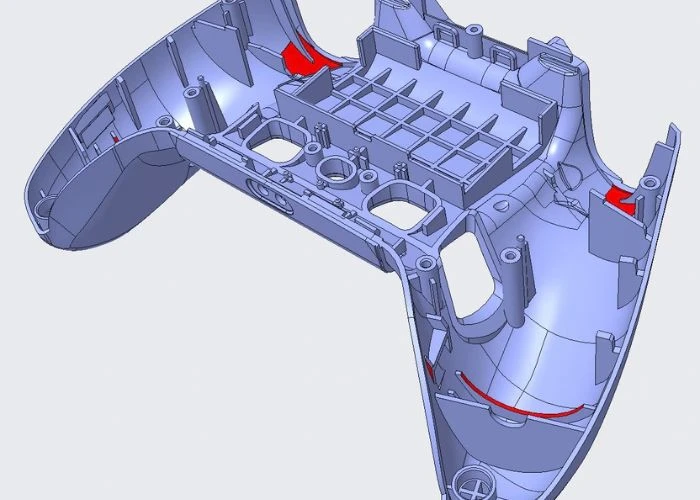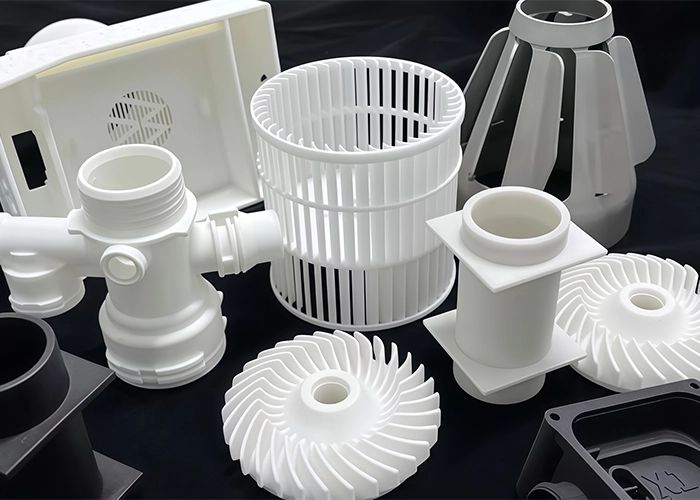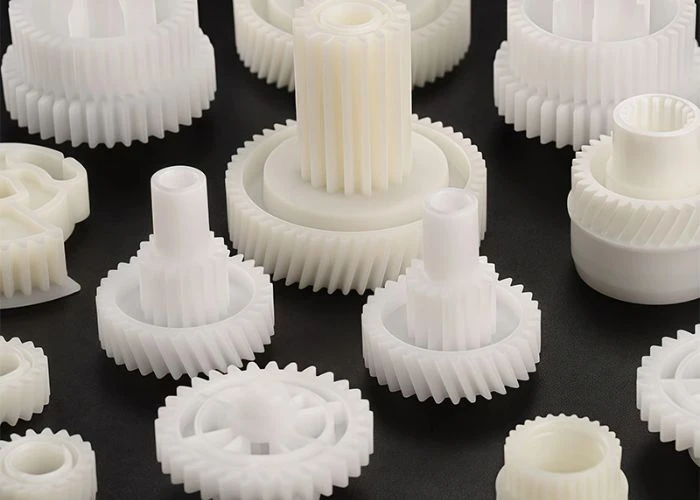

A prototype proves that one version of a product can be built. Low-volume production proves that the product can be built repeatedly with stable quality, controlled processes, and practical delivery planning. In my experience, this transition is not simply about increasing quantity. It requires engineers to rethink manufacturing routes, batch consistency, finishing, assembly, and quality control before moving beyond the prototype stage.
Adapting a Prototype Build for Low-Volume Production
Moving into low-volume production does not mean copying the prototype workflow or replacing it entirely. I first separate what has already proved effective from what becomes inefficient at higher quantities. This allows the next batch to retain useful manufacturing knowledge while changing the operations that do not scale well.
Prototype Knowledge Worth Retaining
A completed prototype often reveals practical details that are not obvious in the CAD model. Proven clamping directions, stable machining sequences, effective deburring methods, and workable handling steps may all influence the final result.
I identify which of these decisions should become a repeatable manufacturing reference. The aim is not to document every workshop action, but to preserve the steps that have already demonstrated a clear effect on consistency or workflow.
Build Time as a Scaling Indicator
The first prototype shows where production time is really consumed. A second setup, repeated repositioning, ten minutes of hand sanding, or a long surface-preparation step may appear minor in a one-off build.
When repeated across 20 or 50 units, the same operation can affect machine capacity, labor planning, and delivery. I therefore review actual build time before deciding whether the original route should continue unchanged.
Optimizing CNC Plastic Machining for Repeated Production
When CNC plastic machining has already produced the required part successfully, increasing quantity does not automatically mean another process is better. The first question is whether repeated setups, fixture use, part orientation, or machining sequence can be organized more effectively.
For low-volume CNC machining, improving how parts move through production may be more practical than changing the process itself. This is especially relevant when the project still depends on machined engineering plastics or controlled features.
Reevaluating Manufacturing Routes as Quantity Grows
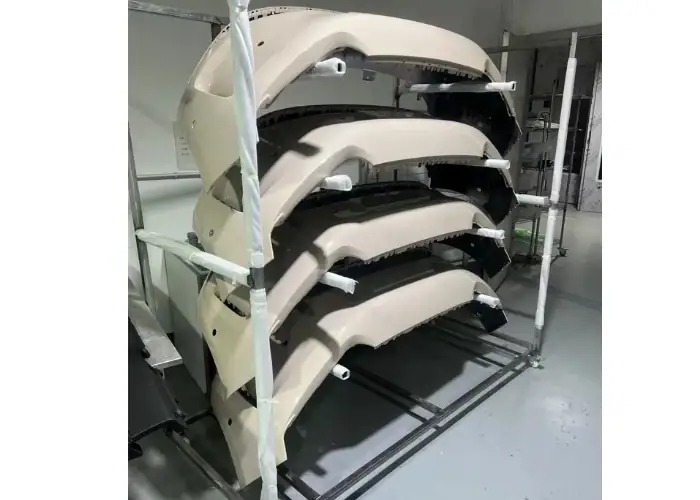
A route should be reconsidered when repeated unit-by-unit production begins to dominate cost or schedule. The trigger may come from machine occupancy, individual finishing, repeated handling, or the number of similar parts required.
For some plastic parts, vacuum casting may provide a more practical short-run workflow. In other cases, the original CNC or 3D printing route may still be preferable. I base the decision on the complete batch workload rather than a fixed quantity threshold.
Component-Level Manufacturing Decisions
A product may contain a machined bracket, a transparent cover, a large housing, and repeated cosmetic components. Even within the same assembly, these parts do not accumulate manufacturing time in the same way as quantity increases.
I therefore review scaling at component level. One part may remain suitable for CNC plastic machining, while another may justify vacuum casting or 3D printing. Low-volume production does not always require one process decision for the whole product.
Production Flow Challenges Revealed by Batch Manufacturing
A single prototype mainly demonstrates that a product can be built. Once production moves into repeated manufacturing, attention shifts from individual parts to the movement of work across multiple operations. This is where production flow begins to influence delivery performance.
Managing Work-in-Progress Between Operations
A machining process may complete parts faster than the next operation can absorb them. Components may wait for sanding, painting, inspection, or assembly even though production equipment continues running normally.
For low-volume production, I pay attention to where parts begin accumulating rather than focusing only on machine output. A project often slows down because of handoffs between operations, not because a machine stops producing.
Batch Flow vs Sub-Batch Flow
Not every production batch needs to move through manufacturing as one large group. In some cases, releasing smaller groups of completed parts allows finishing, inspection, or assembly work to begin earlier.
The objective is not simply to accelerate production. Instead, it is to reduce unnecessary waiting between operations and keep the overall workflow moving efficiently.
Quality Control in Low-Volume Production
Quality control evolves as manufacturing scales up. During prototype development, the focus is usually whether one physical part meets the requirement. In low-volume production, the focus shifts toward maintaining acceptable results across repeated builds.
Prototype Inspection vs Batch Control
A successful prototype confirms that a design can be manufactured correctly. A production batch introduces a different question: can the same result be achieved repeatedly as more units are built?
For this reason, I evaluate manufacturing performance across the batch rather than relying entirely on the first completed unit.
Monitoring Critical Features During Production
Not every feature requires the same level of attention throughout production. I focus on dimensions, interfaces, and conditions that directly influence assembly, fit, customer requirements, or product functionality.
For CNC plastic machining projects, this may include mounting locations, mating features, hole relationships, or other dimensions that influence downstream assembly activities.
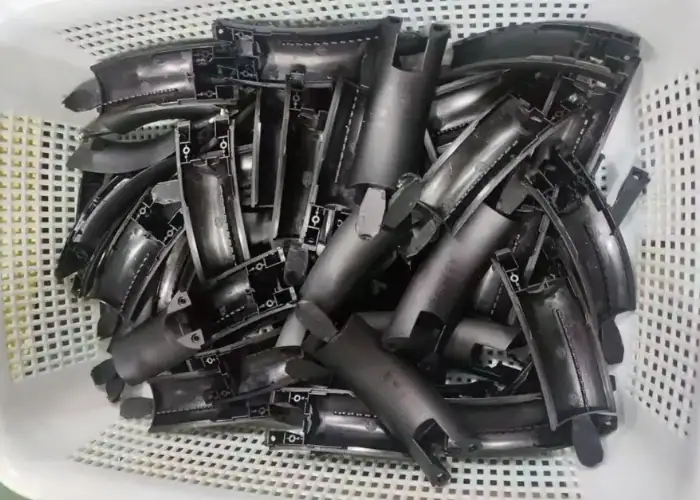
Structured Inspection Records
As production volume increases, manufacturing information becomes more difficult to manage through informal communication alone. Clear records help connect inspection results with actual production activities.
The level of documentation should match the project requirements. The goal is not creating paperwork, but maintaining visibility into how the batch is performing.
Engineering and Purchasing Considerations
As a project moves beyond prototype development, engineering and purchasing decisions become more closely connected. Technical changes, purchased components, delivery planning, and manufacturing commitments can all influence the success of a low-volume production run.
Managing Engineering Revisions During Production
Engineering updates are common during product development, but repeated manufacturing requires greater control over when changes are introduced. Once materials have been prepared and parts have entered production, modifications may affect more than one unit.
Instead of applying every revision immediately, I review where the affected units are in the workflow and determine the most practical point for introducing the change.
Purchased Components and Production Scheduling
Many low-volume products rely on purchased items such as inserts, bearings, seals, fasteners, displays, or customer-supplied hardware. These items may follow a different schedule from in-house manufacturing activities.
For this reason, I identify which purchased components could affect assembly or shipment if they arrive late. A relatively inexpensive item can still become a critical scheduling factor.
Planning Staged Deliveries
Not every project requires the entire batch to be delivered at the same time. Engineering teams may need early units for validation, while later quantities can follow according to a separate schedule.
Where project conditions allow, staged delivery can help customers receive usable products sooner without waiting for every operation to be completed across the entire batch.
How UForProto Supports Low-Volume Plastic Manufacturing
Moving from plastic prototyping into low-volume production often requires more than simply increasing quantities. At UForProto, we support projects by coordinating manufacturing, finishing, and assembly activities around the actual production requirements.
Multi-Process Manufacturing Support
A low-volume plastic product may include CNC plastic machining, SLA or SLS printing, vacuum casting, surface finishing, and prototype assembly within the same project.
Rather than treating these as separate services, we organize them according to the role each component plays within the final product.
ISO 9001:2015 Quality Management
As production quantities increase, maintaining consistency becomes increasingly important. UForProto operates under an ISO 9001:2015 quality management system that supports manufacturing control and inspection activities throughout repeated production.
This structured approach helps ensure that approved requirements remain aligned with actual manufacturing activities throughout the project lifecycle.
Conclusion
Moving from prototype to low-volume production is not simply a matter of making more parts. As quantities increase, engineers need to evaluate repeatability, manufacturing flow, quality control, assembly readiness, and delivery planning from a broader perspective. By understanding how a product performs under repeated manufacturing conditions, teams can make more informed decisions before committing to larger production investments.
FAQ
1. What Is Considered Low-Volume Production?
There is no fixed quantity that defines low-volume production. The practical range depends on part complexity, manufacturing process, finishing requirements, and project objectives. For some CNC plastic machining projects, dozens of units may be considered low volume, while other manufacturing routes can remain practical at higher quantities.
2. When Should a Project Move From Prototype to Low-Volume Production?
The transition usually begins when the project requires repeated units instead of another one-off prototype build. Before moving forward, the released design, manufacturing requirements, quantity, finishing scope, and delivery expectations should be stable enough to support repeated production.
3. Can CNC Plastic Machining Be Used for Low-Volume Production?
Yes. CNC plastic machining is commonly used for low-volume production when projects require engineering plastics, controlled tolerances, threaded features, assembly interfaces, or continued design flexibility. The suitability depends on quantity, machining time, and overall project requirements.
4. Is Vacuum Casting Suitable for Low-Volume Plastic Parts?
Vacuum casting can be a practical solution when several similar plastic parts are required without investing in production injection molds. The decision should be based on part geometry, quantity, surface finish expectations, and the consistency needed across the batch.
5. Does Low-Volume Production Always Require Production Tooling?
No. Many low-volume projects can be completed using CNC plastic machining, 3D printing, vacuum casting, or a combination of these processes. The most suitable route depends on project quantity, delivery requirements, and whether future design revisions are still expected.
6. What Information Is Needed for a Low-Volume Production Quote?
For an accurate manufacturing review, I recommend providing 3D CAD files, 2D drawings if available, required quantity, material specifications, surface finishing requirements, assembly scope, and delivery expectations. If the project follows an existing prototype, the approved revision should also be clearly identified.