
Bakelite is often mistaken for ordinary plastic because its appearance can be similar to many engineering materials. However, how to tell Bakelite from plastic involves more than recognising differences in color, texture, or surface appearance. In prototype development, engineers also need to consider material behavior and determine whether Bakelite’s electrical insulation, thermal stability, and structural rigidity match the functional requirements of the product. Understanding these characteristics early helps ensure that prototype testing provides meaningful engineering feedback before production decisions are made.
Understanding What Makes Bakelite Different
Although Bakelite is often grouped with plastics in everyday discussions, it behaves very differently from most engineering thermoplastics. Knowing these differences helps engineers understand not only how to identify the material, but also when it is appropriate for prototype development.
Bakelite Is a Thermoset Material
Unlike thermoplastics, Bakelite undergoes a permanent chemical curing process during manufacturing. Once cured, it cannot be melted and reshaped again. This stable cross-linked structure gives the material excellent dimensional stability, electrical insulation, and heat resistance, making it suitable for applications where consistent performance is more important than flexibility.
Because of these characteristics, engineers usually consider Bakelite when prototype components must operate in demanding electrical or industrial environments rather than in products where repeated deformation or impact resistance is the primary concern.
Material Identification Goes Beyond Appearance
Many dark-coloured engineering plastics can appear similar to Bakelite, making visual identification unreliable. Surface colour, gloss, or texture alone cannot confirm the material. Instead, engineers normally identify Bakelite by reviewing the product’s functional requirements, operating environment, and engineering documentation.
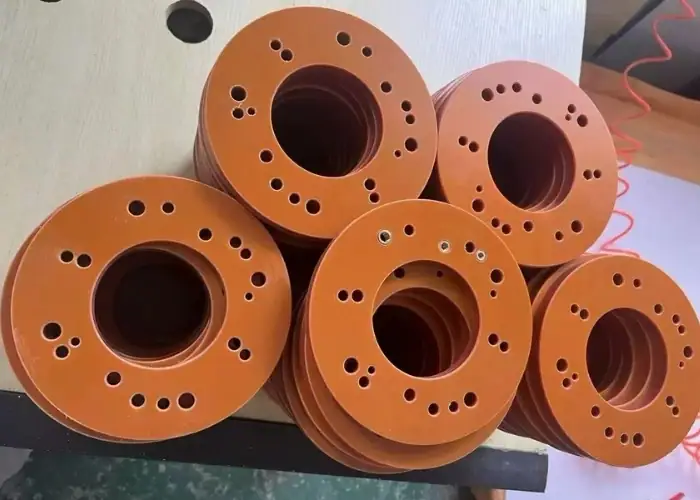
For prototype projects, understanding why the material has been specified is far more valuable than simply recognising what it looks like. This approach reduces the risk of selecting an unsuitable material before manufacturing begins.
Engineering Comparison
Bakelite vs Standard Engineering Plastics
| Engineering Aspect | Bakelite | Standard Thermoplastics |
| Material type | Thermoset | Thermoplastic |
| Reshaping after processing | Not possible | Reheatable and reformable |
| Typical focus | Electrical insulation and heat resistance | General structural and functional parts |
| Prototype objective | Functional validation in demanding environments | General product development |
When Engineers Choose Bakelite
Bakelite is not intended to replace common engineering plastics in every project. Instead, it is selected when the prototype must validate performance under conditions where electrical insulation, thermal stability, or structural rigidity are critical. The decision is driven by product requirements rather than by the material itself.
Electrical Insulation Requirements
Many industrial and electrical products require components that can maintain reliable insulation throughout long-term operation. In these situations, engineers often evaluate Bakelite because it provides stable electrical performance while also supporting structural strength.
During prototype development, using the intended material allows electrical components to be evaluated under conditions that more closely represent the final product. This helps engineering teams verify design assumptions before investing in production tooling.
Heat Resistance and Structural Stability
As operating temperatures increase or products are exposed to demanding industrial environments, material selection becomes increasingly important. Bakelite is often considered when components must maintain dimensional stability and consistent performance without softening during normal operation.
For prototype projects, validating these characteristics early allows engineers to determine whether the material supports the intended working environment before the design moves into production.
Prototype Validation Confirms Material Suitability
Choosing Bakelite should not rely solely on material specifications. Prototype manufacturing provides engineers with practical information about how the material performs within the actual product. Functional testing, machining quality, and assembly evaluation all contribute to determining whether Bakelite is the most appropriate choice for production.
Evaluating Functional Performance
Prototype validation allows engineers to observe how Bakelite performs under realistic operating conditions rather than relying entirely on theoretical data. Depending on the product, evaluation may include electrical performance, thermal behaviour, dimensional stability, or the interaction between multiple components during operation.
These practical observations often provide more valuable engineering evidence than material specifications alone, helping development teams make more confident material decisions.
Verifying Machining and Assembly
Producing Bakelite prototypes through CNC plastic machining enables engineers to assess dimensional accuracy, machining quality, and assembly performance before production. These evaluations help identify potential issues during manufacturing and confirm whether the material supports the required tolerances and product structure.
By validating machining and assembly early, development teams can reduce engineering changes later in the project and improve confidence before tooling begins.
Engineering Validation Table
How Prototype Validation Supports Material Selection
| Validation Activity | What Engineers Evaluate | Decision Supported |
| Functional testing | Electrical and thermal performance | Material suitability |
| CNC plastic machining | Machining quality and dimensional accuracy | Manufacturing feasibility |
| Prototype assembly | Fit, tolerance, and structural performance | Product validation |
| Engineering review | Overall prototype performance | Final material decision |
Common Industrial Applications
Bakelite is selected because it solves specific engineering problems rather than because it is a high-performance material in every situation. Understanding where it is commonly used helps engineers determine whether it supports the functional requirements of their own projects.
Electrical Components
One of the most common applications for Bakelite is electrical equipment. Components such as insulation plates, switch bases, terminal supports, and electrical mounting parts benefit from the material’s stable insulation properties and dimensional stability. These applications require long-term reliability rather than repeated flexibility, making Bakelite a practical engineering choice.
Industrial Fixtures and Equipment
Bakelite is also widely machined into positioning fixtures, insulation brackets, equipment supports, and other structural components used in industrial machinery. In these applications, the objective is to provide consistent performance under demanding operating conditions while maintaining reliable dimensional accuracy.
Using Bakelite prototypes allows engineers to verify whether these components meet functional and manufacturing requirements before production begins, reducing engineering changes later in the project.
Engineering Application Guide
Typical Applications of Bakelite
| Application | Why Bakelite Is Selected | Prototype Validation Focus |
| Electrical insulation parts | Stable electrical insulation | Functional verification |
| Switches and terminal supports | Dimensional stability | Assembly accuracy |
| Industrial fixtures | Structural rigidity | Machining quality |
| Equipment supports | Heat resistance | Long-term performance |
How Does UForProto Support Bakelite Prototype Projects?
Selecting the right material is only one part of successful prototype development. Equally important is manufacturing prototypes that accurately represent the final product and provide reliable engineering feedback. Our role is to help customers validate their material choices before production, ensuring that each prototype contributes meaningful information to the development process.
Planning Before Manufacturing
Every Bakelite project begins with understanding what the prototype needs to achieve. Whether the objective is electrical validation, assembly verification, or manufacturing evaluation, defining the validation goal first allows the prototype to provide more useful engineering information throughout development.
CNC Machining for Functional Prototypes
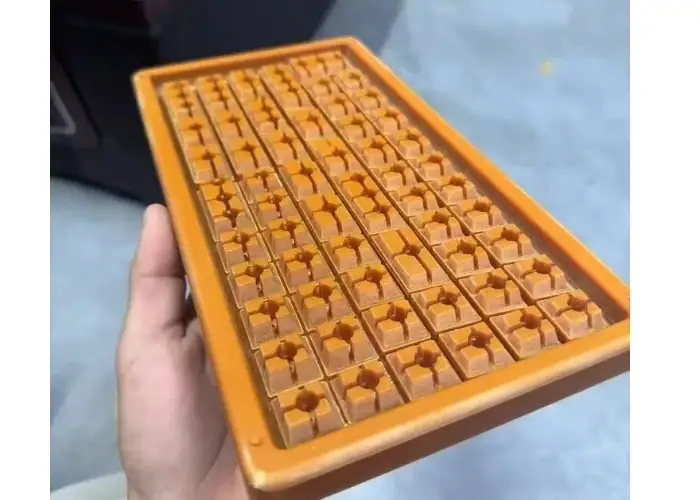
Using CNC plastic machining, we manufacture Bakelite prototypes with the dimensional accuracy and surface quality required for engineering evaluation. When projects require assembly verification or low-volume functional samples, prototype manufacturing helps customers confirm product performance before investing in production tooling.
Conclusion
Choosing Bakelite is not about selecting a material with unique properties—it is about determining whether those properties match the requirements of the product. By combining proper material identification with plastic prototyping and CNC plastic machining, engineers can verify performance under realistic conditions and make more confident decisions before production. Successful prototype development begins with selecting the right material for the right engineering objective.
FAQs
1. How can engineers identify Bakelite during prototype development?
Engineers should evaluate Bakelite according to the product’s electrical, thermal, and structural requirements rather than relying only on appearance.
2. Why is Bakelite still used in industrial products?
Because it provides reliable electrical insulation, dimensional stability, and heat resistance for demanding applications.
3. When should Bakelite be considered instead of standard plastics?
When the prototype needs to validate electrical insulation, thermal performance, or structural stability beyond the capability of general engineering plastics.
4. Can Bakelite be CNC machined for prototype development?
Yes. CNC plastic machining enables accurate Bakelite prototypes for engineering evaluation, assembly verification, and functional testing.
5. Why is prototype validation important when selecting Bakelite?
Prototype validation confirms that the material performs as expected in the intended application before production tooling is approved.
6. How does UForProto support Bakelite prototype projects?
We help customers validate material selection through CNC plastic machining, prototype manufacturing, and engineering-focused prototype development.