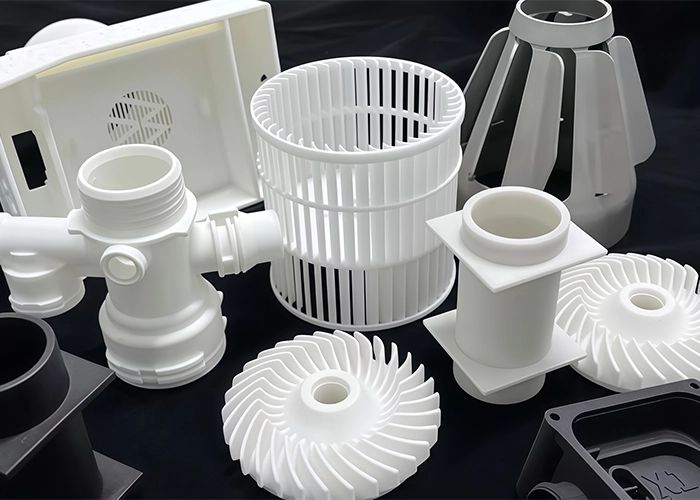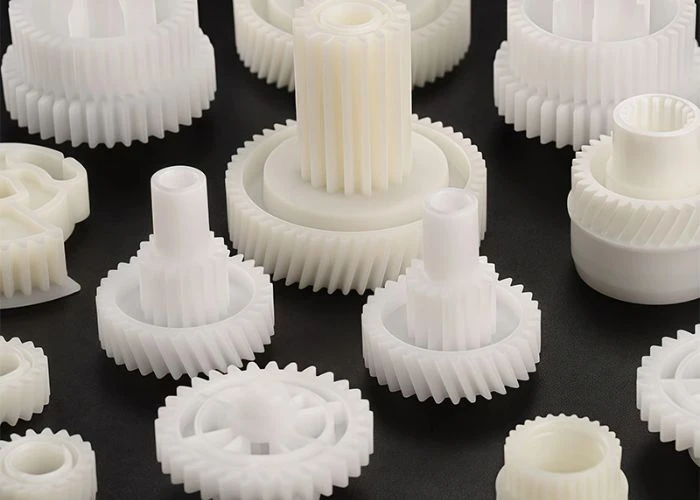

Many prototype projects can be successfully developed using familiar engineering plastics such as ABS, PC, or POM. PPS usually enters the discussion when operating conditions become more demanding and temperature, chemical exposure, or long-term dimensional stability begins to influence product reliability. For engineers, the important question is therefore not whether PPS has higher specifications, but whether those additional properties solve a real problem in the product.
When Do Engineers Consider PPS for Plastic Prototyping?
PPS is generally considered when prototype testing needs to represent conditions that standard engineering plastics may struggle to maintain over time. Instead of selecting it at the beginning of every project, engineers usually introduce PPS when the operating environment creates a clear need for additional material stability.
Standard Engineering Plastics May Become Limited in Demanding Conditions
Standard engineering plastics are suitable for many housings, structural components, and functional prototypes. However, continuous heat, aggressive chemicals, or demanding operating cycles may expose limitations that are not obvious during early prototype testing. When these conditions begin to affect reliability, engineers may need to evaluate a higher-performance material.
PPS Provides Stability When Performance Requirements Increase
PPS becomes particularly useful when a component must maintain its geometry and functional behaviour under elevated temperatures. Its thermal stability allows engineers to evaluate parts intended for demanding equipment, mechanical systems, and other applications where dimensional changes could affect assembly or operation.
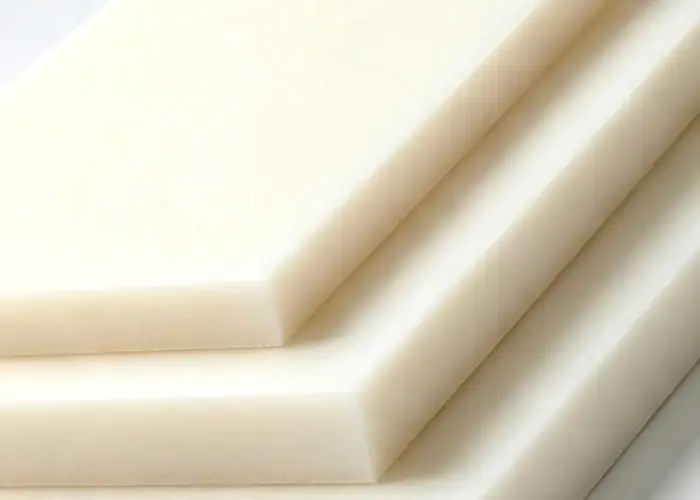
Chemical Exposure Can Change Material Selection Decisions
Components used around fluids, cleaning agents, oils, or industrial chemicals may require more than conventional mechanical performance. In these applications, PPS may be considered when chemical exposure could affect the stability or service life of standard plastics.
Selecting PPS Requires More Than Comparing Material Specifications
Material data provides an important starting point, but specifications alone cannot determine whether PPS is appropriate for a product. Temperature, chemical exposure, geometry, assembly conditions, manufacturing requirements, and project cost should be considered together before upgrading the material.
Higher Performance Does Not Always Mean Better Prototype Results
Using PPS where its additional properties are unnecessary can increase manufacturing cost without improving validation quality. If standard engineering plastics already satisfy the actual operating requirements, they may remain the more efficient choice for the prototype.
Material Selection Should Match Product Requirements
PPS should be evaluated as part of the complete product rather than as an isolated material. Engineers need to consider how the component interacts with surrounding parts, operating temperatures, chemicals, loads, and assembly conditions before deciding whether PPS provides meaningful value.
Performance, Cost, and Manufacturing Need to Be Balanced
A suitable material decision balances engineering performance with manufacturability and project investment. PPS makes the most sense when its higher stability directly supports product reliability or validation goals rather than simply increasing the material specification.
How Prototype Manufacturing Helps Validate PPS Selection
Material specifications indicate what PPS can potentially provide, while physical prototypes show whether those advantages matter in the actual product. Testing representative parts helps engineering teams compare expected material performance with real operating behaviour before making a production decision.
Prototype Testing Confirms Whether PPS Provides Real Value
Prototype testing can expose the part to relevant heat, chemicals, repeated operation, or assembly conditions and show whether PPS maintains the required performance. This provides stronger engineering evidence than selecting the material from data sheets alone.
CNC Plastic Machining Enables PPS Prototype Evaluation
CNC plastic machining allows PPS prototypes to be produced directly from engineering-grade material with accurate geometry and functional features. This is useful when engineers need representative PPS parts for assembly, dimensional evaluation, or functional testing before committing to production.
Common Misunderstandings About PPS Plastics
PPS is sometimes treated as a simple material upgrade, but higher specifications do not automatically make it the right choice. The following distinctions help keep material decisions focused on engineering requirements.
| Common Misunderstanding | Engineering Reality |
| PPS is always the better engineering plastic. | The right material depends on actual operating requirements. |
| Higher specifications create better prototypes. | Prototype quality depends on whether the material supports the validation goal. |
| Material data sheets are enough. | Physical testing can reveal behaviour that specifications alone cannot show. |
| PPS should be selected from the beginning. | PPS is most valuable when engineering evidence shows that additional performance is required. |
Lessons from PPS Prototype Development
PPS prototype projects repeatedly show that material selection becomes clearer when the decision starts with the product environment rather than the material grade. Understanding what the component must withstand helps determine whether PPS solves a real engineering limitation.
Engineering Requirements Should Guide Material Decisions
Temperature, chemical exposure, dimensional stability, mechanical conditions, and expected service life should define the material requirement. This keeps PPS selection connected to measurable product needs instead of specification rankings.
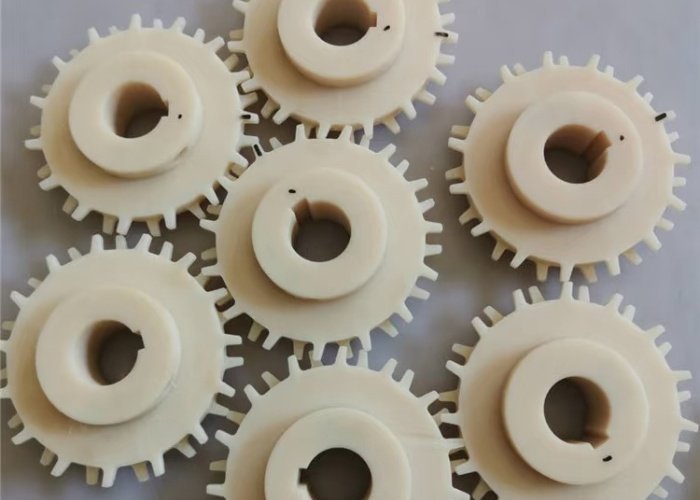
PPS Creates Value When Its Advantages Are Required
PPS provides the greatest value when thermal stability, chemical resistance, or long-term dimensional consistency directly affects product reliability. When these conditions are absent, a standard engineering plastic may remain the more practical solution.
Conclusion
PPS becomes valuable when standard engineering plastics can no longer provide the thermal stability, chemical resistance, or dimensional consistency required by the application. Rather than selecting PPS because of higher specifications alone, engineers should use actual product requirements and prototype validation to determine whether its additional performance creates meaningful engineering value.
FAQs
1. What Makes PPS Plastics Different from Standard Engineering Plastics?
PPS is typically considered when higher thermal stability, chemical resistance, and long-term dimensional consistency are required under demanding operating conditions.
2. When Should Engineers Consider Using PPS Instead of Standard Plastics?
PPS becomes worth evaluating when heat, chemicals, or long-term operating conditions begin to exceed the practical limits of standard engineering plastics.
3. Is PPS Always the Best Material for Plastic Prototyping?
No. PPS should be selected only when its additional properties support the actual prototype and product requirements.
4. Can PPS Plastics Be CNC Machined?
Yes. PPS can be used for CNC plastic machining to produce accurate functional prototypes and engineering parts for evaluation.
5. Why Is Prototype Validation Important Before Selecting PPS?
Prototype validation helps engineers determine whether the additional performance of PPS produces measurable benefits under the intended operating conditions.
6. When Is PPS More Suitable Than Standard Engineering Plastics?
PPS is more suitable when the application combines demanding temperatures, chemical exposure, or long-term dimensional stability requirements that standard plastics cannot reliably meet.