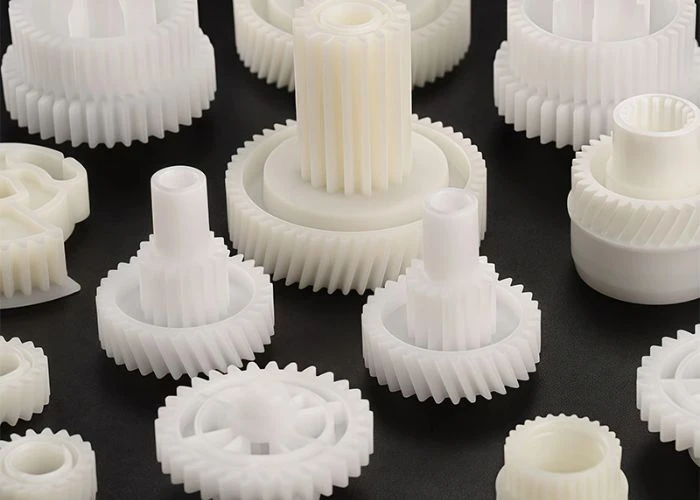

ABS plastic is one of the most widely used thermoplastics in product development and prototype manufacturing. It is known for its balanced combination of strength, impact resistance, machinability, and surface quality, making it suitable for a wide range of functional and appearance prototypes.
Unlike materials selected only for one specific performance advantage, ABS provides a practical balance that allows engineers to evaluate designs before moving into production. From CNC machined prototype parts to product housings and assembly models, ABS continues to be a common choice when teams need a reliable material that represents real product behaviour.
What Is ABS Plastic?
ABS (Acrylonitrile Butadiene Styrene) is an engineering thermoplastic made by combining three main components: acrylonitrile, butadiene, and styrene. Each component contributes different characteristics to the final material. Acrylonitrile improves chemical resistance and rigidity, butadiene provides impact resistance and toughness, while styrene contributes hardness, surface appearance, and processing performance.
This combination creates a material with balanced properties rather than extreme performance in one area. ABS is not the strongest engineering plastic, but its overall performance makes it suitable for many product development applications where designers need a material that is easy to manufacture, modify, and evaluate.
ABS Plastic Composition and Basic Characteristics
The structure of ABS gives it a useful balance between mechanical performance and manufacturing flexibility. It provides better toughness than many general plastics while maintaining good dimensional stability and surface quality. These characteristics allow ABS to be used for both functional testing and appearance evaluation during prototype development.
Because ABS can be easily machined, sanded, painted, and finished, it is often selected when engineers need prototypes that look and behave closer to final products. This combination of practical performance and processing convenience is one of the main reasons ABS remains widely used across different industries.
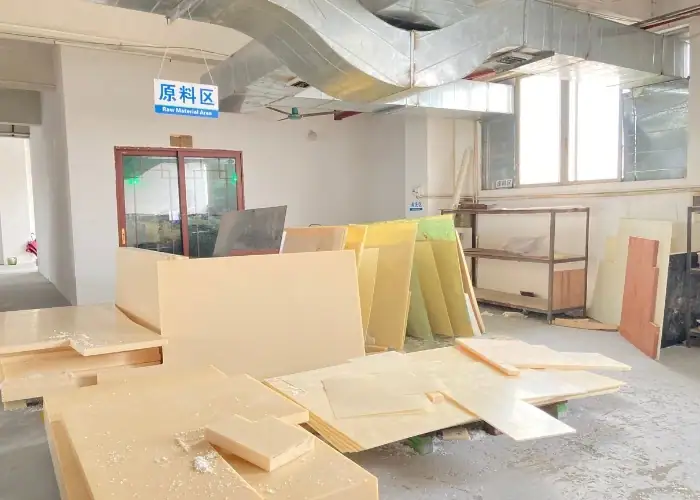
Key Properties That Make ABS Plastic Widely Used
ABS is popular not because it delivers the highest performance in one category, but because it provides a practical balance between multiple requirements. For prototype development, this balance often matters more than a single maximum value because engineers usually need to evaluate several aspects of a design at the same time.
Balanced Strength and Impact Resistance
ABS provides a combination of rigidity and impact resistance that works well for many prototype applications. It can withstand handling, assembly operations, and general mechanical use during product evaluation, making it suitable for parts that need to represent the behaviour of future products.
Although ABS is not intended for extreme load conditions, its balanced mechanical properties make it practical for housings, covers, brackets, and functional prototype components where engineers need realistic feedback before production.
Machinability and Surface Finishing Capability
One important advantage of ABS plastic is its compatibility with different manufacturing and finishing processes. ABS can be CNC machined into accurate prototype parts and can also receive additional finishing processes such as sanding, painting, coating, and other cosmetic treatments.
This flexibility allows engineers to use the same material for different prototype stages, from early functional testing to near-production appearance models. Instead of changing materials between validation steps, ABS often provides a more consistent development path.
ABS Plastic in Prototype Development
ABS is commonly used in prototype development because it provides a realistic combination of appearance, mechanical performance, and manufacturing convenience. It helps engineers evaluate whether a product concept works not only visually, but also through assembly, handling, and functional interaction.
ABS CNC Machined Prototypes for Functional Testing
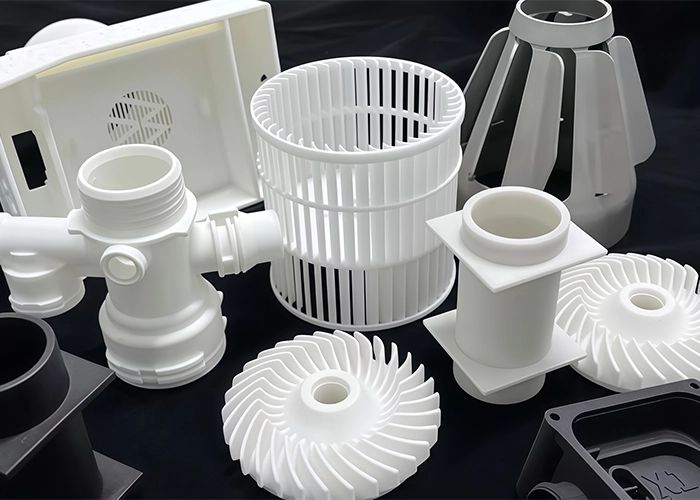
CNC machining ABS allows engineers to create prototypes from real material with accurate dimensions and controlled geometry. This is especially useful when testing requires actual assembly relationships, mechanical interfaces, mounting features, or structural behaviour.
Compared with concept models made from substitute materials, CNC machined ABS prototypes provide more reliable feedback because the material itself represents the intended prototype condition.
ABS Prototype Housings and Product Validation
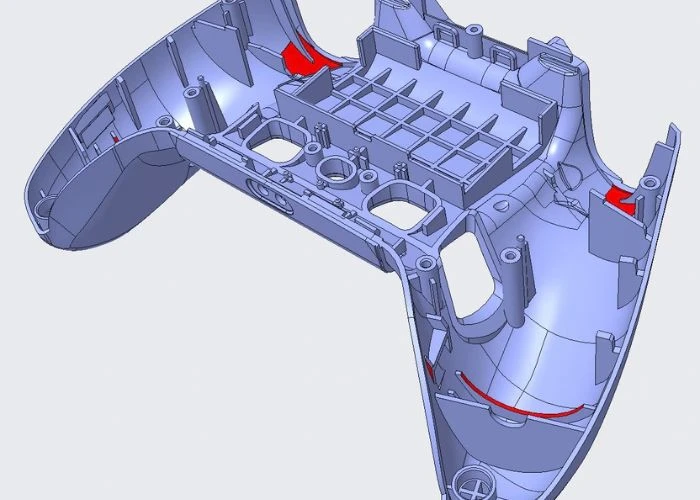
ABS is frequently used for prototype housings, covers, enclosures, and consumer product models because it provides a good combination of appearance and functionality. Engineers can evaluate shape, assembly fit, button locations, mounting structures, and overall product interaction before production.
This makes ABS especially useful for products where both visual appearance and practical usability need to be reviewed during development.
Common Applications of ABS Plastic
ABS plastic is used across many industries because it provides a practical balance between appearance, durability, and manufacturing flexibility. In product development, it is often selected when engineers need prototypes that can demonstrate both visual design and functional behaviour before moving toward production.
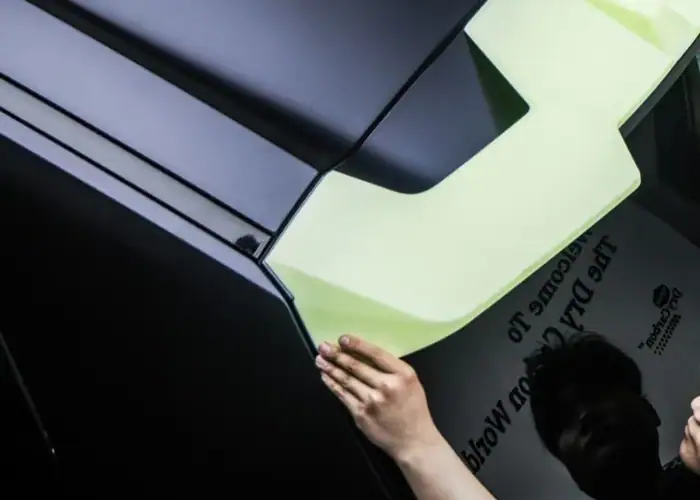
Common applications include consumer electronics housings, appliance covers, automotive interior components, industrial equipment enclosures, and various mechanical prototype parts. These applications often require a material that can be accurately manufactured, easily modified, and finished to achieve a production-like appearance.
ABS is particularly suitable for prototype applications where the design may still require adjustments during development. Its ease of machining and finishing allows teams to quickly modify structures, improve appearance, and evaluate product concepts without major process changes.
Limitations of ABS Plastic
Although ABS is a versatile prototype material, it is not designed for every engineering requirement. Understanding its limitations helps engineers decide whether it matches the expected working environment and validation purpose.
ABS is often chosen because of its balanced performance, but some applications require materials with higher temperature resistance, stronger chemical stability, or more extreme mechanical performance.
When Other Engineering Plastics May Be More Suitable
ABS may need to be replaced by other engineering plastics when the final product must operate under more demanding conditions. For example, applications involving high temperatures, aggressive chemicals, long-term outdoor exposure, or extreme mechanical loads may require materials specifically designed for those environments.
In these cases, engineers may consider alternatives such as PC, Nylon, PPS, or other specialized plastics depending on the required performance. The goal is not to identify a universally better material, but to select a material that matches the actual product requirements.
Conclusion
ABS plastic remains one of the most practical materials in product development because it provides a balanced combination of strength, impact resistance, machinability, and surface finishing capability. These characteristics allow engineers to use ABS for different prototype stages, from functional evaluation to appearance validation.
While ABS is not designed for every extreme application, its versatility makes it a reliable choice for many prototype projects. Understanding what ABS plastic can and cannot provide helps engineers select the right material based on the purpose of the prototype and the requirements of the final product.
FAQs
1. What Is ABS Plastic Made Of?
ABS plastic is made from three main components: Acrylonitrile, Butadiene, and Styrene. Each component contributes different characteristics, including chemical resistance, toughness, rigidity, and surface quality.
2. What Are the Main Properties of ABS Plastic?
ABS provides a balanced combination of impact resistance, rigidity, machinability, and surface finishing capability. It is widely used because it offers practical overall performance rather than focusing on only one property.
3. Is ABS Plastic Suitable for CNC Machining?
Yes. ABS is commonly used for CNC machined prototypes because it is easy to machine, provides stable dimensions, and supports additional finishing processes when required.
4. Why Is ABS Used for Plastic Prototypes?
ABS is used for prototypes because it provides a useful balance between appearance, mechanical performance, and manufacturing flexibility. It allows engineers to evaluate designs before production using a material with realistic characteristics.
5. What Products Commonly Use ABS Plastic?
ABS is commonly found in consumer electronics housings, appliance parts, automotive interior components, industrial covers, and prototype models.
6. Can ABS Replace Other Engineering Plastics?
ABS can replace some materials in applications where balanced performance is required, but it may not be suitable for environments requiring extreme temperature resistance, chemical resistance, or higher mechanical performance.