
The rapid growth of the smart pet product market has raised expectations for both product performance and user experience. Unlike conventional plastic housings, a smart cat litter box combines mechanical structures, electronic components, moving mechanisms, and daily user interaction in a single product. Because of this complexity, prototype development is not simply about manufacturing parts—it is about confirming that every system works together before production begins.
Why Is Developing a Smart Cat Litter Box Prototype More Challenging Than Other Plastic Products?
Many plastic products only require engineers to validate structural dimensions or appearance before production. A smart cat litter box, however, combines multiple systems into one product. Successful prototype development depends on how well these systems work together rather than how well each individual part is manufactured.
Why Does Mechanical Integration Require Early Verification?
The cleaning mechanism is one of the most important parts of a smart cat litter box. Rotating drums, waste collection systems, transmission components, and supporting structures must operate smoothly without interfering with each other. Building a prototype allows engineers to identify potential mechanical conflicts before production tooling is developed.
Planning Internal Space for Electronics and Mechanical Components
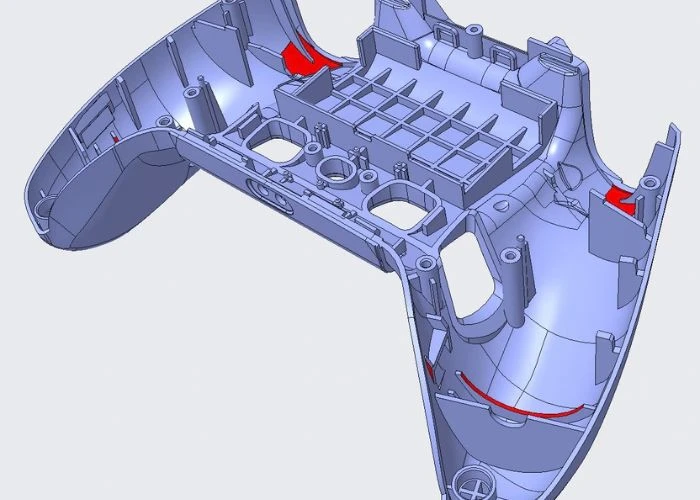
A smart cat litter box contains far more than an outer housing. Motors, sensors, control boards, wiring, power modules, and fastening structures all compete for limited internal space. A prototype helps verify whether every component can be installed, accessed, and maintained without compromising overall product performance.
Why Should User Interaction Be Evaluated Before Production?
Daily interaction plays an important role in smart pet products. Opening the waste drawer, replacing litter, cleaning internal components, and accessing maintenance areas should all be intuitive for users. Evaluating these interactions during prototype development helps identify practical improvements that are difficult to discover using CAD models alone.
What Should Be Verified Before a Smart Cat Litter Box Moves to Production?
A prototype should confirm more than whether individual parts can be manufactured. Before moving toward production, engineering teams need confidence that the complete product performs reliably under real operating conditions. For smart cat litter boxes, this means evaluating how different systems work together instead of assessing each component separately.
Testing Moving Mechanisms as a Complete System
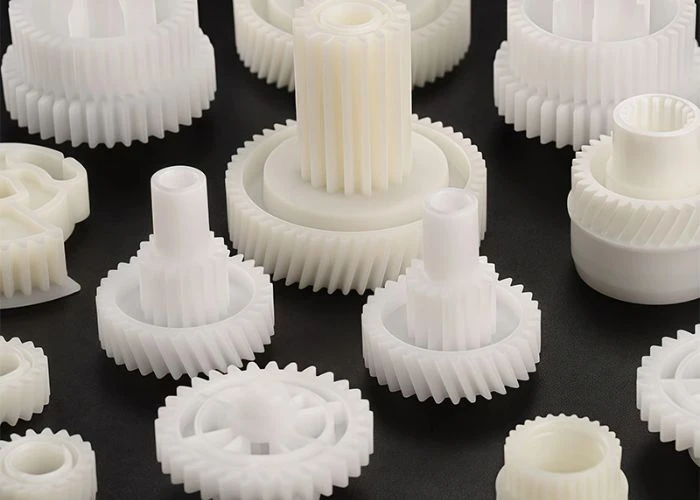
The cleaning mechanism is made up of multiple interacting components rather than a single moving part. Rollers, gears, guide structures, supports, and fasteners all influence the overall movement. Evaluating these parts together helps engineers identify issues that are difficult to detect when components are tested individually.
Maintenance Experience Is Part of Product Validation
A smart cat litter box is designed for long-term daily use, so routine maintenance should be considered from the beginning of development. Tasks such as removing the waste container, cleaning internal surfaces, or accessing service areas should be simple and practical. Prototype evaluation helps determine whether these operations are convenient before production begins.
Considering Manufacturing Tolerances During Prototype Development
Even when individual prototype parts meet their drawing dimensions, small manufacturing variations can influence how a complete product fits and operates. Evaluating these interactions during prototype development helps engineers optimise part interfaces and reduce unnecessary adjustments before production.
Complete Prototype Assembly Before Final Design Approval
A complete assembly reveals how every custom part, purchased component, and electronic module works together in the finished product. It also helps engineering teams evaluate installation sequence, service accessibility, and overall product integration. These observations often provide valuable improvements before the design is finalised.
Verifying Electronic System Integration Before Production
Smart cat litter boxes rely on much more than mechanical components. Motors, sensors, control boards, wiring, and power modules must operate together as a complete system before production begins. Prototype validation provides an opportunity to verify electrical connections, cable routing, component accessibility, and installation space while identifying potential interference between electronic and mechanical assemblies.
Testing electronic integration during the prototype stage also helps engineers evaluate sensor positioning, actuator response, power distribution, and overall system stability. Identifying these issues before production reduces redesign work, improves assembly efficiency, and increases confidence that the complete product will perform reliably under real operating conditions.
What Common Development Challenges Are Easier to Solve During the Prototype Stage?
Many engineering issues are difficult to identify during digital design but become obvious once a physical prototype is built. Discovering these challenges early allows teams to refine the product before investing in production tooling, reducing costly design changes later in the project.
Small Structural Changes Can Affect Overall Product Performance
Minor structural changes can have a much greater impact than expected. Adjusting a mounting point, reinforcing a support, or changing the position of a bracket may influence surrounding components, assembly space, or maintenance access. A complete prototype helps engineers evaluate these interactions before the design is finalised.
User Maintenance Should Be Considered Early
Engineers naturally focus on product performance, but users interact with the product through routine cleaning and maintenance. If these tasks are inconvenient, even a well-performing product may fail to meet user expectations. Prototype evaluation helps identify practical improvements before production begins.
Besides engineering performance, prototype evaluation should also consider how pet owners interact with the product during daily cleaning and maintenance. Improving accessibility and reducing unnecessary operating steps can significantly enhance the overall user experience.
Building a Complete Prototype Reduces Engineering Changes
A complete prototype allows engineers to evaluate the product as an integrated system rather than as individual components. By reviewing structure, assembly, operation, and user interaction together, teams can identify improvement opportunities earlier and move into production with greater confidence.
| Prototype Development Focus | Why It Matters for Smart Cat Litter Boxes | Typical Validation Goal |
| Mechanical Structure | Ensure moving components operate smoothly | Stable cleaning performance |
| Internal Layout | Verify space for motors, sensors, and wiring | Reliable product integration |
| Product Assembly | Confirm all components fit together correctly | Efficient assembly and maintenance |
| User Interaction | Evaluate daily operation and cleaning experience | Better usability |
| Product Optimisation | Identify improvements before production | Reduce engineering changes |
Conclusion
Developing a smart cat litter box prototype is about much more than producing individual plastic parts. A successful prototype helps engineering teams understand how the complete product performs, identify opportunities for improvement, and reduce uncertainty before production begins. By validating structure, system integration, assembly, and user interaction throughout development, manufacturers can build more reliable products while avoiding unnecessary design revisions. For smart pet products that combine mechanical, electronic, and user-interaction systems, prototype validation is one of the most effective ways to reduce engineering uncertainty before production.
FAQs
1.What is the purpose of building a smart cat litter box prototype?
A prototype helps engineering teams evaluate product performance, mechanical integration, assembly feasibility, and user interaction before production. It provides practical feedback that supports design improvements throughout product development.
2.Should electronic components be included during prototype development?
Yes. Installing motors, sensors, control boards, and wiring during prototype development allows engineers to verify installation space, component integration, and overall system layout before production begins.
3.How many prototype iterations are usually required?
The number of prototype iterations depends on product complexity and development objectives. Most projects progress through several prototype stages as engineering teams refine structure, functionality, and overall product integration.
4.Why is complete prototype assembly important?
Complete assembly allows engineers to evaluate how custom parts, purchased components, and electronic systems work together as one product. It also helps identify installation or maintenance issues before production.
5.When should product improvements be made during prototype development?
Improvements are most effective after each prototype has been evaluated. Reviewing prototype performance before starting the next iteration helps engineering teams make continuous, well-informed design improvements.
6.How can UForProto support smart pet product prototype development?
UForProto provides one-stop prototype manufacturing services for smart pet products, including plastic prototyping, CNC plastic machining, prototype assembly, surface finishing, and low-volume manufacturing. By supporting projects from early prototypes through engineering validation, we help customers develop products more efficiently before production.