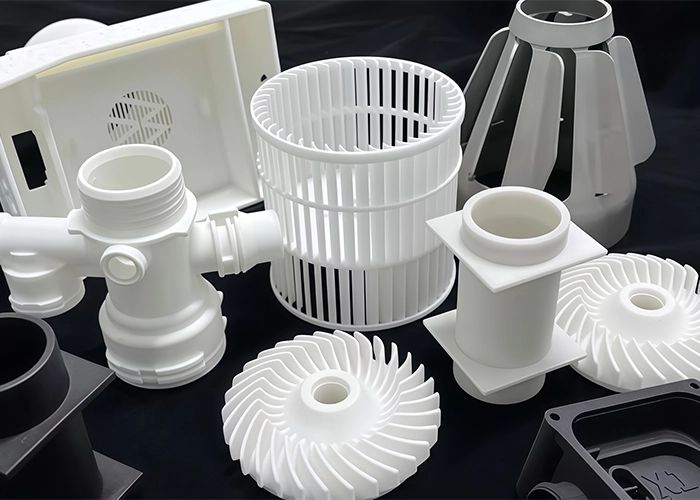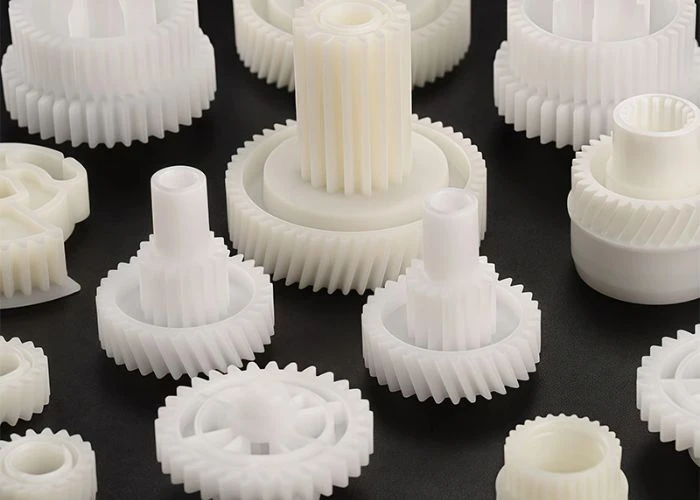

Medical device housing prototypes are an essential part of plastic prototyping. They help engineering teams evaluate assembly, usability, functionality, and product validation before production begins. However, manufacturing challenges can delay testing, increase development costs, and lead to unnecessary prototype iterations. Understanding these risks early helps teams improve efficiency and move projects forward faster.
Prototype Manufacturing in Medical Device Enclosure Development
A medical device enclosure is more than an external shell. It must protect internal components, support assembly, and provide a reliable platform for engineering evaluation. Because enclosure performance influences both product functionality and user experience, prototype manufacturing plays an important role before production begins.
Why Is Enclosure Fit One of the First Things Engineers Verify?
The enclosure determines how individual parts come together as a complete product. Prototype manufacturing allows engineers to evaluate housing alignment, part interfaces, joint consistency, and assembly relationships before production tooling is released. Small adjustments made during this stage are generally easier than modifying tooling later.
Verifying Internal Space with Enclosure Prototypes
A medical device enclosure must accommodate electronic components, mounting features, connectors, and other internal structures without creating unnecessary assembly difficulties. Building a physical enclosure prototype allows engineers to confirm component clearance, installation access, and overall internal layout under realistic conditions.
The Value of Physical Enclosure Prototypes
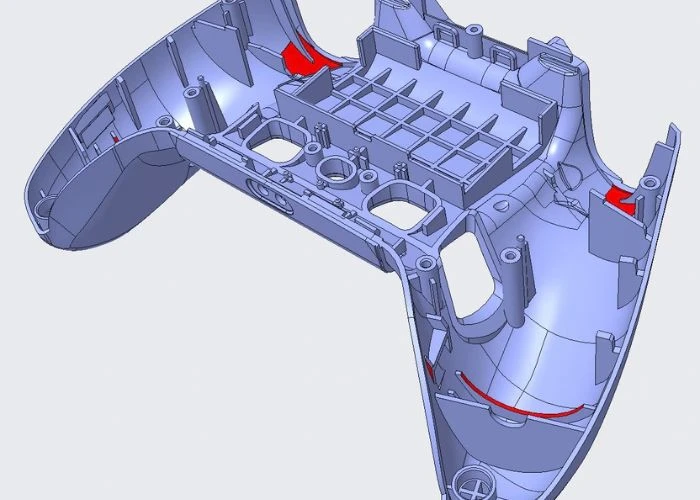
Although CAD models provide accurate design data, they cannot fully reproduce how a medical device enclosure feels and performs in practical use. A physical prototype allows engineering teams to review product size, handling comfort, assembly quality, and overall enclosure integration before making production decisions.
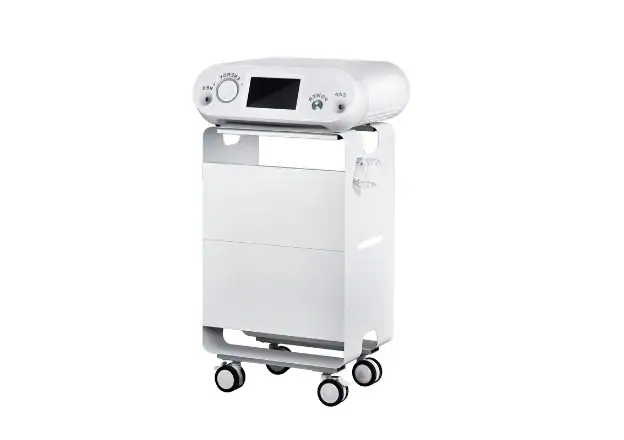
Why Multiple Prototype Iterations Improve Product Development?
Medical device housing development is an iterative engineering process rather than a one-time manufacturing task. Each prototype provides practical feedback that helps engineers refine the enclosure before production. Instead of expecting the first prototype to solve every problem, development teams usually improve housing performance step by step through multiple prototype builds.
Improving Housing Assembly Through Prototype Reviews
Housing components may appear correct when evaluated individually, but small adjustments often become necessary after the complete enclosure is assembled. Joint alignment, fastening positions, assembly access, and the interaction between different housing parts are usually easier to refine through physical prototypes than through CAD models alone.
Improving Enclosure Assembly Through Prototype Reviews
Many enclosure improvements involve details that are difficult to evaluate on a computer screen. Edge transitions, opening locations, interface alignment, handling comfort, and the overall appearance of the housing often become clearer after engineers can inspect and handle a physical prototype.
Preparing for Production Through Prototype Iterations
Each prototype helps reduce uncertainty before production by confirming that enclosure improvements have achieved the expected results. Instead of introducing major changes after tooling is completed, engineering teams can gradually optimise the housing while modifications remain practical and cost-effective.
Evaluating Prototype Readiness Before the Next Development Stage
Completing a prototype does not automatically mean the enclosure is ready for production or further testing. Before moving forward, engineering teams usually review whether the prototype has achieved the objectives defined for that stage of development. This evaluation helps determine whether the current design can progress or whether additional refinement is still required.
Has the Enclosure Achieved Its Current Development Objective?
A prototype should be evaluated against the objectives defined before manufacturing began. If the intended purpose was assembly verification, the review should focus on assembly performance rather than unrelated appearance details. Keeping the evaluation aligned with the original objective helps development teams make clearer decisions.
Are the Remaining Issues Acceptable for the Next Stage?
Not every prototype needs to be perfect before development continues. Some observations can be addressed during later iterations, while others must be resolved before the project moves forward. Distinguishing between these two situations helps teams prioritise improvements more effectively.
Using Prototype Results to Support the Next Engineering Decision
The purpose of a prototype is to support engineering decisions rather than simply produce physical parts. Once the enclosure has provided the information needed for the current stage, the team can decide whether to refine the design further or proceed with the next phase of development.
How Does UForProto Support Medical Device Housing Prototype Projects?
Developing a medical device housing involves more than manufacturing individual plastic parts. Throughout a project, prototype requirements often evolve as engineering teams move from concept evaluation to assembly verification and production preparation. At UForProto, we support this process by providing manufacturing solutions that match the objectives of each development stage, helping customers obtain reliable prototypes while keeping projects moving efficiently.
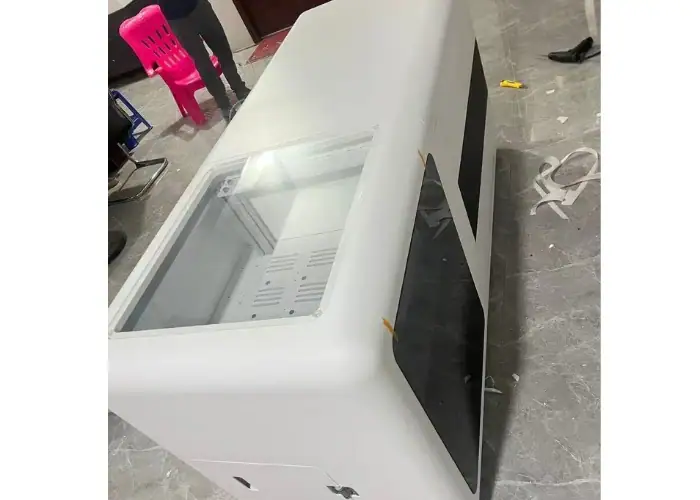
Project Review Before Prototype Manufacturing
Every project begins with understanding what the enclosure prototype is expected to achieve. Before production starts, we review CAD files together with key project requirements such as housing structure, assembly interfaces, critical dimensions, surface expectations, and prototype purpose. This early review helps ensure the manufacturing approach matches the current development stage instead of applying the same solution to every project.
Selecting the Right Manufacturing Process
Different medical device housing projects require different manufacturing approaches. Some prototypes prioritise rapid design evaluation, while others require engineering plastics, tighter tolerances, or production-representative finishes. Instead of recommending a single process, we select the most appropriate combination of CNC plastic machining, 3D printing, vacuum casting, and surface finishing according to the enclosure’s validation objectives.
Delivering Complete Prototypes for Engineering Evaluation
Many customers prefer to evaluate a complete enclosure rather than individual plastic parts. Besides manufacturing precision components, we also support prototype assembly, allowing customers to review the overall housing fit, assembly quality, and product appearance before moving to the next stage of development. This provides a more complete understanding of how the enclosure performs as a finished product.
Conclusion
Choosing between 3D printing and CNC plastic machining is only one part of developing a successful medical device housing. The more important decision is selecting a prototype solution that matches the objectives of each stage of development. From early concept verification to enclosure refinement and pre-production evaluation, every prototype should provide useful engineering feedback that supports the next design decision. If you are developing a new medical device housing, we welcome the opportunity to review your design and support your next prototype project.
FAQs
1.What is a medical device housing prototype?
A medical device housing prototype is a physical enclosure used to evaluate assembly, usability, functionality, and product validation before production tooling is built.
2.Why do medical device housing prototypes often require multiple iterations?
Many issues related to assembly, component integration, usability, and manufacturing feasibility only become visible after physical validation.
3.How does plastic prototyping support medical device development?
Plastic prototyping helps teams evaluate products before investing in production tooling, reducing risk and accelerating product validation.
4.Why is prototype assembly important?
Prototype assembly helps verify fit, alignment, fastening methods, and overall product integration before formal testing begins.
5.What information is required for a prototype quotation?
3D CAD files, quantity requirements, tolerance expectations, finishing requirements, and application information help improve quotation accuracy.
6.Can UForProto provide complete medical device housing prototypes?
Yes. UForProto supports CNC plastic machining, vacuum casting, 3D printing, surface finishing, and complete prototype assembly services.