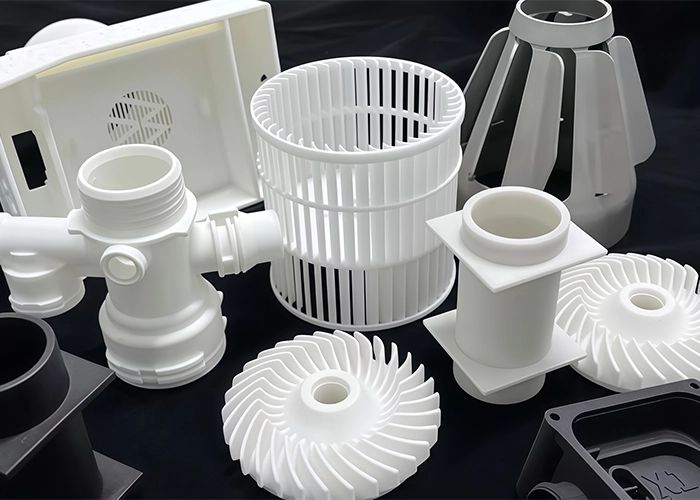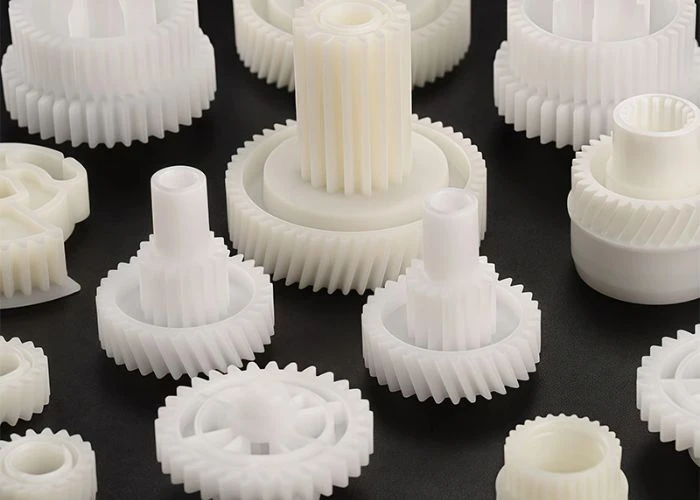

Polypropylene (PP) is widely used in production products, but developing reliable PP parts involves more than selecting the right material. Successful prototypes help engineers evaluate real-world performance before production begins. In this article, I explain how plastic prototyping supports better engineering decisions and reduces development risk when working with PP.
Why PP Parts Often Require More Validation Before Tooling?
PP is frequently selected because of its balance between durability, flexibility, chemical resistance, and production cost. However, those same characteristics can make behavior difficult to predict without physical testing.
Production Intent Matters More Than Material Selection
Many projects initially focus on whether PP should be used, but this approach often reverses the logical order. A more practical method is to first clarify what the prototype is intended to validate, and then decide on the material and manufacturing process.
Even when the same material is used, such as PP, different applications—consumer electronics housings, medical device enclosures, or personal care products—have completely different priorities. Some focus more on assembly, others on structural strength, and others on long-term performance. As a result, the prototype strategy should also vary accordingly.
So before selecting a manufacturing process, I usually start with one key question:
What decision must this prototype help us make?Once this question is clearly answered, the direction for validation becomes much more defined.
Why PP Behaves Differently in Real Assemblies?
PP behaves differently from many rigid engineering plastics. In many cases, it relies on its ability to flex and recover rather than purely on stiffness.
When designs include the following features, this characteristic becomes especially important:Snap-fit features,Living hinges,Flexible covers,Repeated-use assemblies,Thin-wall structures.
These features may appear perfectly acceptable in CAD models, but once they are used in real assemblies—especially under repeated operation—their behaviour can differ significantly.
For this reason, PP projects often require more extensive validation during the prototype stage than initially expected, in order to confidently move into production.
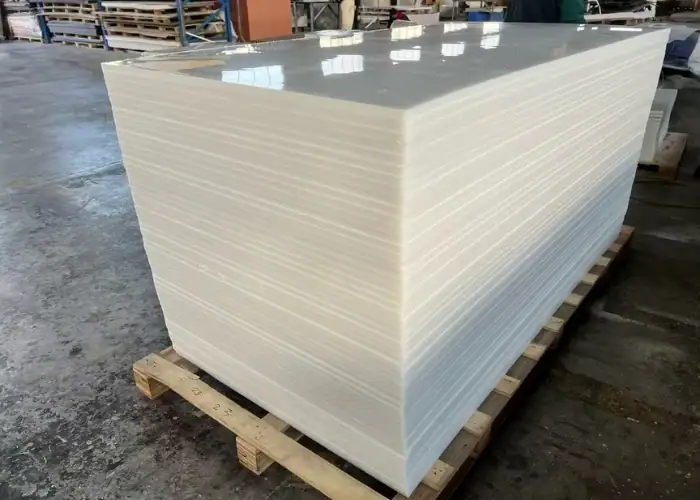
Start with the Questions the Prototype Must Answer
A successful PP prototype is not measured by how closely it resembles a production part visually. It is measured by whether it provides useful engineering feedback.
Are You Validating Assembly Performance?
Many PP products contain multiple interacting components.
The prototype should help answer questions such as:
Do parts align correctly?
Can operators assemble them efficiently?
Does flexibility help or hinder installation?
Are fastening features reliable?
These issues are difficult to evaluate through CAD alone.
Are You Evaluating Snap-Fit and Living Hinge Features?
One reason PP remains so popular in production products is its fatigue resistance.
Many engineers use PP specifically because it supports features such as snap-fits and living hinges.
However, successful performance depends on more than material selection.
Geometry, wall thickness, assembly force, and repeated-use conditions all influence long-term behavior.
This is where physical validation becomes critical.
Are You Preparing for Tooling Decisions?
Many PP prototypes exist for one reason:
Reducing tooling risk.
A prototype can help confirm whether design assumptions remain valid before significant investments are made.
The earlier these questions are answered, the lower the development risk becomes.
Choosing the Right Manufacturing Process for PP Prototypes
Different prototype processes generate different types of feedback.
Selecting the right process is often more important than selecting the right machine.
When 3D Printing Is Useful for Early Evaluation?
3D printing works well when the primary objective is to evaluate:Overall size,Packaging layout,Internal space,Early concepts.
At this stage, development speed usually matters more than material accuracy.
When CNC Plastic Machining Provides Better Engineering Data?
As development progresses, teams often need more realistic validation.
By machining actual PP material, engineers can evaluate:Assembly performance,Material flexibility,Snap-fit behavior,Structural response,Dimensional accuracy.
For many functional PP projects, CNC plastic machining provides far more useful information than appearance-focused prototypes.
When Vacuum Casting Supports Small-Batch Validation?
Sometimes one prototype is not enough.
Teams may need multiple samples for:User testing,Customer review,Internal evaluation,Market validation.
In these situations, vacuum casting can provide multiple consistent samples before tooling is approved.
The Most Common PP Prototype Features That Need Validation
Some PP features influence production success more than others.They deserve special attention during plastic prototyping.
Snap-Fit Connections
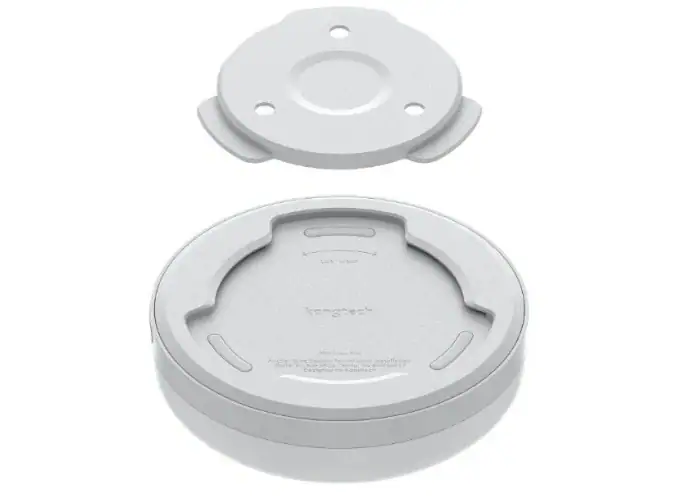
Snap-fit features are one of the main reasons engineers choose PP for production parts. Compared with many rigid plastics, PP can repeatedly flex and recover without immediately cracking, making it suitable for battery covers, consumer electronics housings, medical device enclosures, and personal care products.
However, successful snap-fit performance is not guaranteed simply because the material is PP. Locking force, insertion angle, arm length, wall thickness, and supporting ribs all influence how the feature performs over repeated use. During plastic prototyping, I usually recommend evaluating not only whether the snap fits once, but whether it still performs consistently after dozens or even hundreds of assembly cycles.
Living Hinges
Living hinges are another characteristic feature frequently associated with PP. Unlike conventional mechanical hinges, a living hinge is molded as part of the same component and relies entirely on the flexibility of the material.
Although PP is widely recognised for this application, prototype validation remains essential. Hinge geometry, bending radius, molding direction, and repeated operating conditions all influence service life. A prototype allows engineers to observe how the hinge behaves during repeated opening and closing rather than relying solely on theoretical calculations.
Thin-Wall Sections
Many production PP parts are designed with thin walls to reduce weight and material consumption. While this approach improves manufacturing efficiency, it also makes prototypes more sensitive to deformation during assembly and handling.
During prototype development, I prefer evaluating whether thin-wall areas maintain sufficient stiffness after assembly rather than only checking whether dimensions match the drawing. This provides far more useful information before tooling begins.
Large Plastic Housings
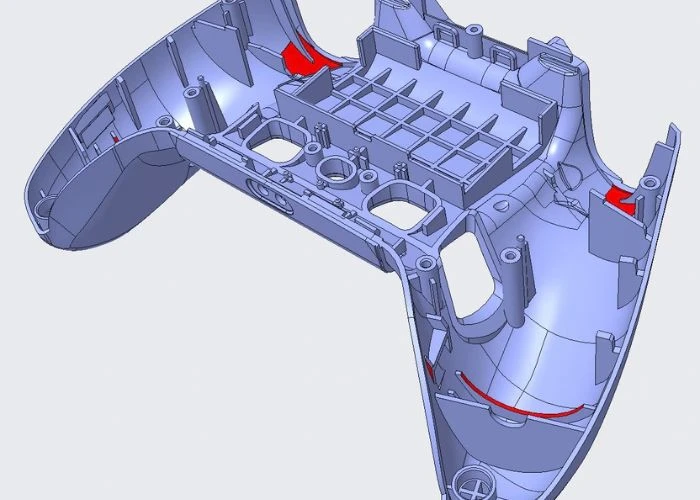
Large PP housings introduce another layer of complexity. Even when every individual feature meets dimensional requirements, the complete housing may behave differently after screws are tightened or internal components are installed.
This is why full prototype assembly often provides more valuable feedback than evaluating individual parts separately. Engineers can assess panel gaps, cover alignment, fastening consistency, internal clearance, and service accessibility before committing to production tooling.
Why Prototype Assembly Is Critical for PP Products?
Many PP-related issues do not originate from a single component. Instead, they emerge only after multiple parts begin interacting inside a complete assembly.
Fit and Alignment Problems Often Appear During Assembly
Assembly is often the first opportunity to evaluate whether design intent matches manufacturing reality.
A locating feature that appears perfectly positioned in CAD may become difficult to assemble because neighboring parts deform slightly under fastening loads. Likewise, covers that appear flush digitally may develop uneven gaps once multiple fastening points are tightened.
Prototype assembly allows these interactions to be evaluated long before tooling decisions become irreversible.
Repeated Use Can Reveal Hidden Weaknesses
Many PP products are designed for repeated operation rather than one-time assembly.
Battery covers, maintenance doors, access panels, storage compartments, and protective covers may be opened and closed hundreds or even thousands of times during their service life.
Prototype testing allows engineering teams to observe whether snap-fits loosen, hinges fatigue, or local deformation begins to affect usability before production begins.
Assembly Validation Helps Reduce Tooling Risk
Tooling changes become increasingly expensive once mold manufacturing has started.
By validating assembly procedures, serviceability, fastening methods, and user interaction during plastic prototyping, engineering teams can significantly reduce the likelihood of costly engineering changes after tooling.
Common Mistakes When Prototyping PP Plastic Parts
Many prototype issues are not caused by PP itself. They result from validating the wrong things at the wrong stage.
| Common Mistake | Engineering Impact | Better Practice |
| Selecting the prototype process based only on cost | Important engineering feedback may be missed | Match the manufacturing process to the validation objective |
| Evaluating appearance but ignoring repeated assembly | Fatigue and snap-fit failures appear after tooling | Test repeated opening, closing, and assembly cycles |
| Assuming CAD fully predicts product behaviour | Hidden assembly and clearance issues remain undiscovered | Build physical prototypes early |
| Skipping complete assembly validation | Tolerance stack-up appears during production | Assemble the full product before tooling |
| Locking tooling before validating critical features | Engineering changes become expensive | Complete prototype validation before mold release |
How UForProto Supports PP Prototype Development?
As a direct plastic prototype manufacturer, we regularly support PP prototype projects across different industries, including consumer electronics, medical devices, industrial equipment, beauty devices, and personal care products.
Rather than recommending a manufacturing process first, we prefer understanding what the prototype is expected to validate. Some projects benefit from rapid 3D printed models, while others require CNC plastic machining using production-grade PP material. Projects requiring multiple evaluation units may also benefit from vacuum casting before tooling.
Our capabilities include plastic prototyping, CNC plastic machining, 3D printing, vacuum casting, surface finishing, prototype assembly, and low-volume manufacturing. By combining these processes, we help engineering teams obtain more meaningful validation data before production decisions are made.
Conclusion
Successful PP product development depends on validating key engineering questions before production. Using plastic prototyping to evaluate design performance early helps reduce uncertainty and supports more confident manufacturing decisions.
As a direct plastic prototype manufacturer, UForProto provides plastic prototyping, CNC plastic machining, prototype assembly, vacuum casting, and low-volume manufacturing. If you are developing PP parts, feel free to send us your CAD files for technical review and quotation.
FAQs
1.Why is PP widely used in production products?
PP is widely used because it combines low weight, good chemical resistance, excellent fatigue performance, and competitive production cost. These characteristics make it suitable for products requiring repeated use, snap-fit features, living hinges, and lightweight plastic structures.
2.Why do PP prototypes require more validation than expected?
Many PP features depend on controlled flexibility rather than rigidity. Assembly force, repeated movement, and long-term use can significantly influence product behaviour, making physical validation more important than material data sheets alone.
3.Can PP parts be CNC machined?
Yes. CNC plastic machining is widely used for PP prototypes when engineering teams need accurate dimensions, production-grade material behaviour, and realistic assembly validation before tooling.
4.How do you validate snap-fit designs before production?
Snap-fit designs should be evaluated through repeated assembly and disassembly testing rather than a single installation. Prototype testing helps engineers optimise locking force, durability, and long-term reliability before tooling begins.
5.Is vacuum casting suitable for PP prototype development?
Vacuum casting can be valuable when multiple evaluation samples are required before tooling. However, the suitability depends on the project’s validation objectives and whether production-grade PP behaviour must be replicated.
6.Why is prototype assembly important for PP products?
Many issues such as tolerance stack-up, cable routing, cover alignment, and fastening behaviour only become visible after complete assembly. Prototype assembly helps engineering teams identify these risks before production tooling is released.
7.What information is needed for a PP prototype quotation?
Providing 3D CAD files, expected quantity, material requirements, surface finishing specifications, assembly requirements, and prototype objectives allows prototype manufacturers to recommend the most suitable manufacturing process and quotation.
8.How does UForProto support PP prototype development?
UForProto supports PP prototype projects through plastic prototyping, CNC plastic machining, 3D printing, vacuum casting, prototype assembly, surface finishing, and low-volume manufacturing. We help engineering teams validate products more efficiently before production decisions are made.