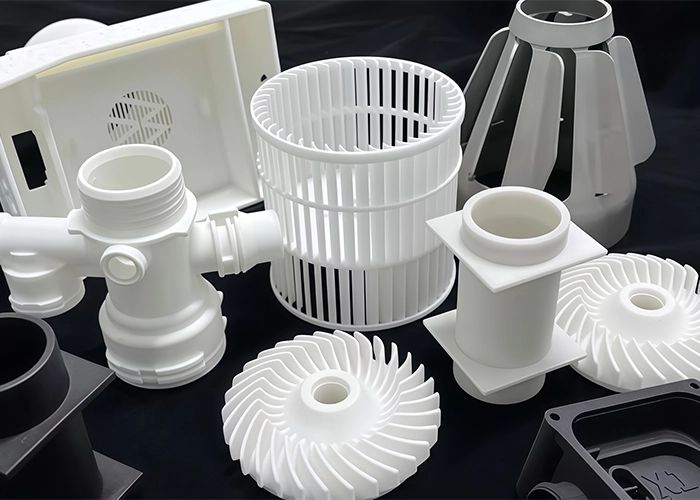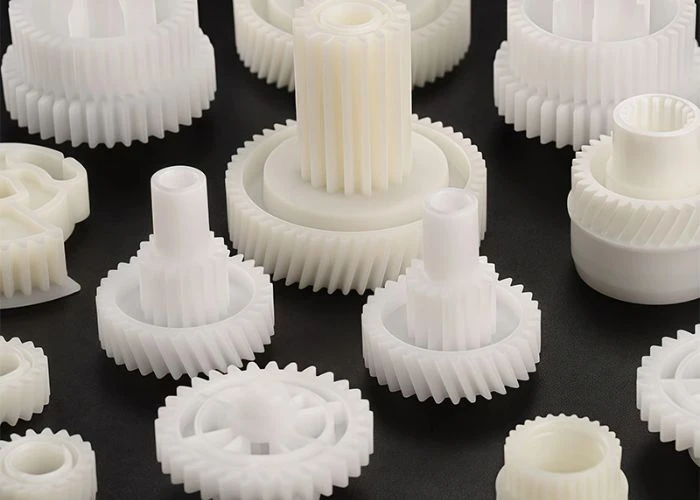

Selecting a prototype material is about more than comparing mechanical properties. In product development, the material also affects manufacturing methods, prototype performance, engineering evaluation, and future production planning. Thermoplastics and thermosets each offer unique advantages, but they are designed to solve different engineering challenges. Understanding when each material type is appropriate helps engineers build prototypes that provide more meaningful development results.
Differences Between Thermoplastics and Thermosets
Although thermoplastics and thermosets are both widely used in product development, they behave very differently after processing. Their molecular structures determine how they respond to heat, how they are manufactured, and where they are typically applied. Understanding these differences helps engineers evaluate which material family better supports the objectives of a plastic prototyping project.
Thermal Behaviour of Thermoplastics
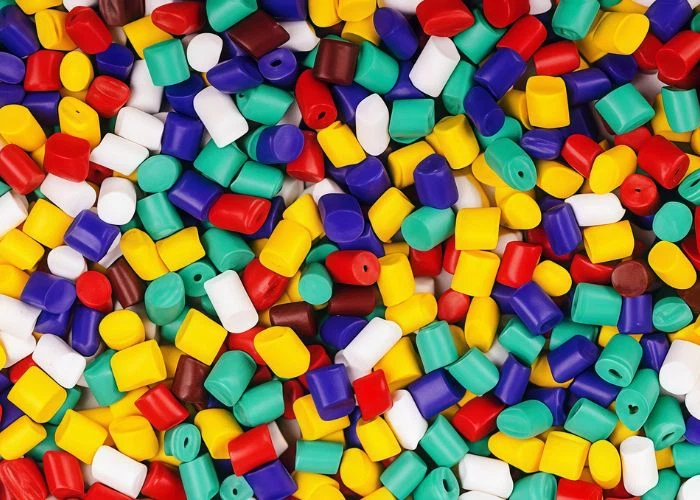
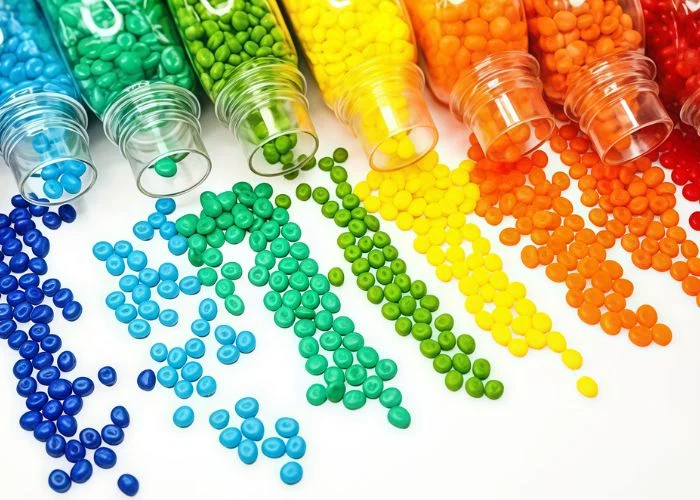
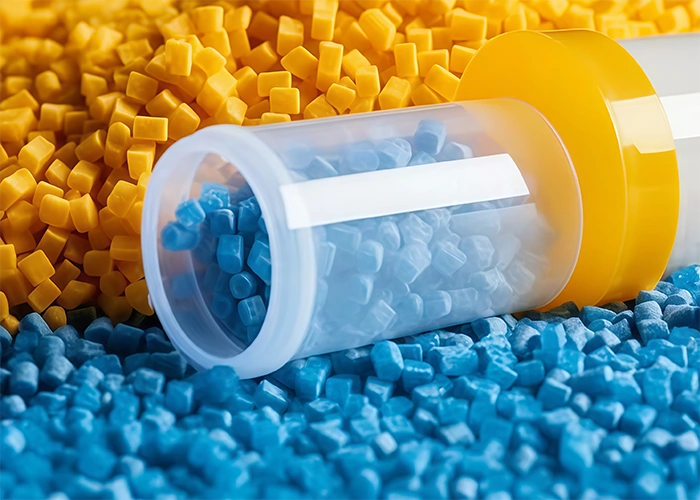
Thermoplastics soften when heated and solidify again after cooling without permanently changing their chemical structure. This characteristic allows them to be processed using manufacturing methods such as CNC plastic machining, injection moulding, and extrusion. During prototype development, thermoplastics are often selected because they are available in a wide range of engineering grades that closely represent production materials.
Permanent Properties of Thermoset Materials
Thermoset materials undergo a permanent chemical reaction during curing. Once this process is complete, the material cannot be remelted or reshaped by heating. Because of this stable structure, thermosets are often selected for applications requiring high heat resistance, dimensional stability, or electrical insulation.
The Role of Material Differences in Prototype Development
Material behaviour influences more than final product performance. It also affects prototype manufacturing, engineering evaluation, and future production planning. Selecting the appropriate material family at the beginning of a project helps ensure that the prototype provides useful engineering information for the next development stage.
Material Selection Based on Prototype Objectives
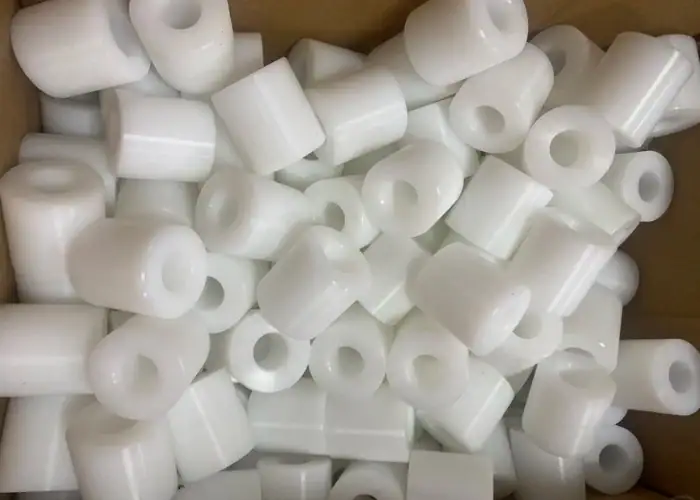
Material comparisons become important when projects move beyond concept evaluation and enter engineering verification or production planning stages. Engineers usually evaluate which material family can better represent the intended product and support current prototype objectives.
Choosing Thermoplastics or Thermosets for Different Applications
Selecting between thermoplastics and thermosets depends on what the prototype is expected to achieve. Rather than identifying one material as universally better, engineers evaluate which material family provides the required information for the current development stage.
Applications of Thermoplastics and Thermosets in Plastic Prototyping
Material selection plays an important role throughout plastic prototyping because different material families support different engineering goals. Thermoplastics and thermosets are not simply alternatives to each other; they provide different advantages depending on prototype requirements, manufacturing methods, and product development stages. Understanding their typical applications helps engineers make more practical decisions during prototype development.
Common Uses of Thermoplastics in Plastic Prototyping
Thermoplastics are widely used in plastic prototyping because they are available in many engineering grades and are compatible with various manufacturing processes. They are often selected when prototypes need production-like materials, dimensional evaluation, or repeated design adjustments. Materials such as ABS, PC, POM, PP, and PA are commonly considered for different prototype requirements.
Situations Where Thermosets Provide Advantages
Thermosets are considered when prototype projects require stable material performance after curing. Their cross-linked structure provides advantages in areas such as heat resistance, dimensional stability, and electrical insulation. In some applications, thermoset materials can better represent specific production conditions and provide valuable information during engineering evaluation.
Combining Material Selection With CNC Plastic Machining
Material selection and manufacturing method are closely connected during prototype development. Different materials respond differently during machining, affecting machining strategies, production efficiency, and final prototype quality.
Considering Material Properties Before Machining
Factors such as rigidity, heat resistance, and structural stability influence machining performance. Reviewing these characteristics before manufacturing helps engineers select materials that better match prototype requirements.
Improving Manufacturing Efficiency Through Material Compatibility
The selected material affects machining stability, manufacturing consistency, and overall workflow. Choosing materials that match both prototype objectives and CNC plastic machining requirements helps reduce unnecessary production adjustments.
Integrating Material, Process, and Prototype Objectives
Successful plastic prototyping depends on selecting the right combination of material properties, manufacturing methods, and development objectives. This integrated approach allows engineering teams to create prototypes that provide meaningful evaluation results and support future product decisions.
Supporting Future Product Development Through Better Material Decisions
Selecting suitable materials during prototype manufacturing creates a stronger foundation for future engineering work. When prototypes better represent the intended production approach, development teams can evaluate performance more effectively and make decisions with greater confidence.
How Does UForProto Support Material Selection During Prototype Development?
Selecting between thermoplastics and thermosets is only one part of prototype development. In real projects, material selection is closely connected to manufacturing methods, prototype objectives, and project schedules. At UForProto, we work with customers from the early planning stage to help identify practical manufacturing solutions that match both engineering requirements and development priorities.
Evaluating Material Requirements Before Manufacturing
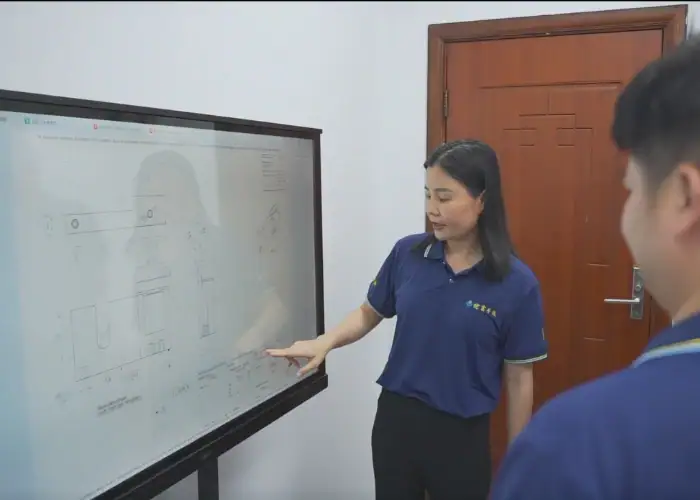
Every prototype project begins with understanding what the customer expects the prototype to achieve. Instead of recommending materials immediately, we first review factors such as product application, validation objectives, manufacturing methods, and expected prototype performance. This allows us to recommend material options that are appropriate for the current stage of development rather than relying on a standard material recommendation.
Matching Materials With Prototype Manufacturing Methods
Different prototype projects require different manufacturing approaches. Depending on project requirements, material selection may be combined with CNC plastic machining, vacuum casting, or 3D printing to support different stages of plastic prototyping. Selecting materials together with the manufacturing process helps ensure that prototypes provide meaningful engineering information instead of simply producing physical parts.
Supporting Continuous Prototype Development
Prototype requirements often change as projects progress. As new engineering feedback becomes available, material choices may also be adjusted to better support the next stage of development. We work closely with customers throughout this process, helping them refine prototype solutions as project priorities evolve while maintaining efficient communication and manufacturing support.
Conclusion
Choosing between thermoplastics and thermosets is not about deciding which material is universally better, but about selecting the material family that best supports the current stage of product development. By understanding how different materials behave and how they interact with manufacturing processes such as CNC plastic machining, engineering teams can build prototypes that provide more reliable evaluation results and support future development decisions. As a direct plastic prototype manufacturer, UForProto works closely with customers to recommend practical material and manufacturing solutions based on real project requirements. If you are planning your next plastic prototyping project, we welcome the opportunity to review your design and discuss the most suitable manufacturing approach.
FAQ
1.Should I choose thermoplastics or thermosets for prototype development?
The choice depends on the prototype objective rather than the material itself. Engineers should select the material family that best supports the current stage of product development.
2.Can thermoplastics replace thermosets during early product development?
In many projects, yes. Early prototypes often focus on validating product concepts, dimensions, and assembly. Whether thermoplastics are appropriate depends on the intended engineering objectives.
3.How does CNC plastic machining influence material selection?
Different materials respond differently during machining. Considering both material characteristics and manufacturing methods helps improve prototype quality and manufacturing efficiency.
4.Can one project use both thermoplastics and thermosets?
Yes. Different prototype stages may require different material types to support changing engineering objectives throughout product development.
5.What should engineers consider before selecting a prototype material?
Prototype objectives, manufacturing methods, product applications, and future production plans should all be considered before material selection.
6.How does UForProto help engineers choose prototype materials?
We evaluate project requirements, manufacturing methods, and prototype objectives before recommending suitable material solutions for different stages of product development.