
Choosing between prototype manufacturers and prototyping services can affect far more than the price of a prototype. For engineers and purchasing teams, the real differences involve who manufactures the parts, how technical requirements are reviewed, who controls quality, and how problems are resolved. Some service providers operate their own factories, while others coordinate production through manufacturing partners. Neither business model guarantees a better result on its own. In this article, I explain how these suppliers operate, what buyers should evaluate, and how to select the right partner for plastic prototyping and product development.
What Are Prototype Manufacturers?
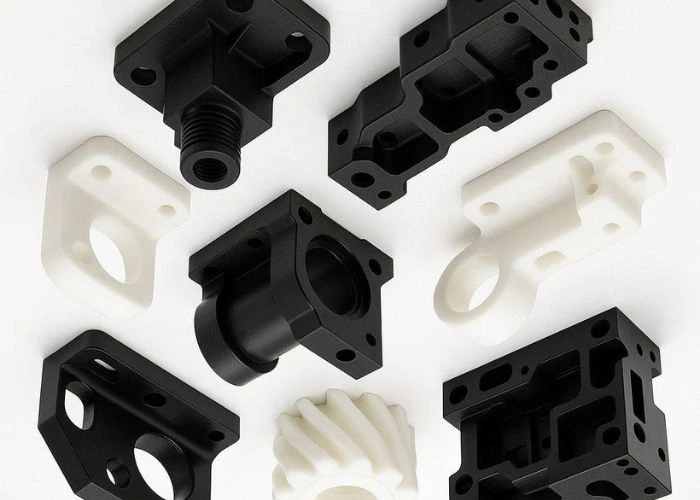
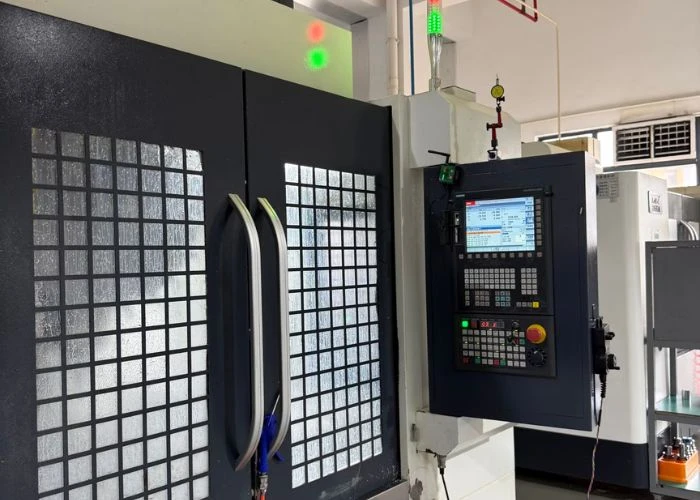
Prototype manufacturers are companies that produce physical prototypes from engineering drawings, CAD models, and technical specifications. Their manufacturing capabilities may include CNC machining, 3D printing, casting, fabrication, and assembly. I distinguish a genuine manufacturing operation from a purely commercial supplier by examining which production activities it performs directly, what technical resources it controls, and how it manages quality.
A prototype manufacturer may operate its own machines, employ programmers and technicians, inspect parts internally, and manage manufacturing revisions. This direct involvement can make technical communication more efficient because design questions can be discussed with the people responsible for production.
However, owning equipment does not automatically mean a manufacturer performs every operation internally. A CNC manufacturer may outsource specialized coatings, while a 3D printing company may use an external partner for additional finishing. What matters is whether the supplier clearly explains which activities it controls and remains accountable for the agreed deliverables.
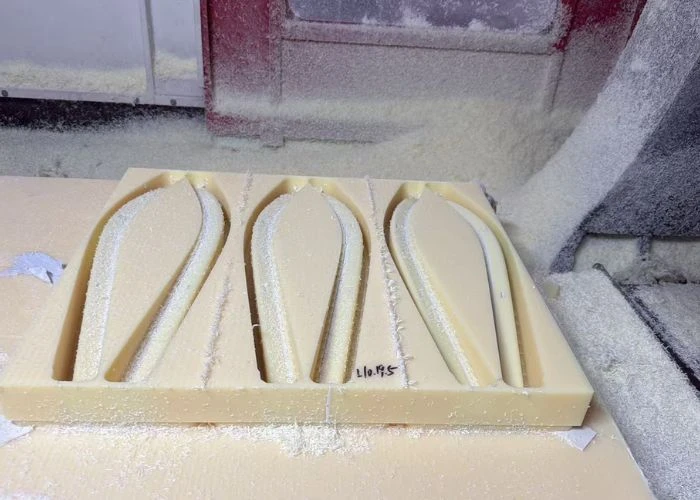
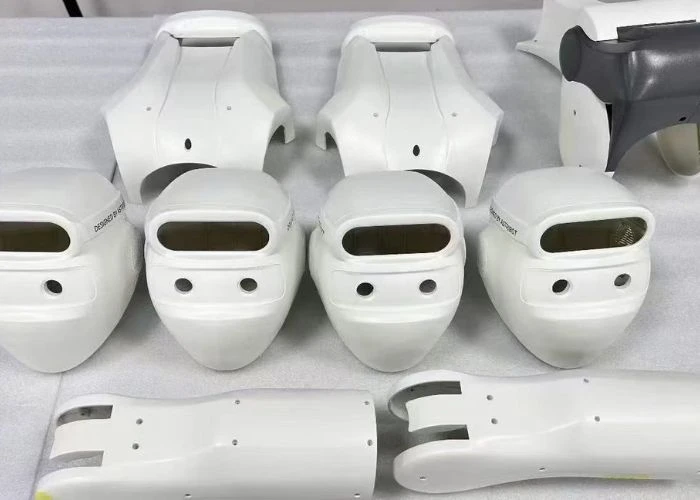
For plastic prototyping, I consider manufacturing knowledge especially important when parts involve thin walls, precision interfaces, transparent materials, cosmetic surfaces, or multi-component assemblies. These requirements often need more than simply converting a CAD file into a physical shape.
What Are Prototyping Services?
Prototyping services describe the activities offered to help customers develop and obtain physical prototypes. These services may include engineering review, process selection, manufacturing, finishing, inspection, and assembly. The term refers primarily to what a company provides, rather than proving whether it owns the equipment used to produce every component.
Some prototyping service providers are direct manufacturers with in-house production capabilities. Others operate as manufacturing platforms, project coordinators, or sourcing companies that distribute work among qualified suppliers. Both approaches can provide value, depending on the project and how effectively the work is managed.
For example, a company offering several manufacturing processes may be able to coordinate CNC parts, printed components, specialty finishing, and assembly through different production resources. This can simplify purchasing for customers who prefer one commercial contact.
The key question is not whether the supplier calls itself a manufacturer or a service provider. I recommend determining who performs the work, who reviews technical requirements, who inspects the finished parts, and who takes responsibility when a component does not meet the agreed specifications.
Prototype Manufacturers vs Prototyping Services: What Are the Key Differences?
The distinction between prototype manufacturers and prototyping services is often misunderstood because the terms describe different aspects of a supplier. One describes a company involved in producing physical parts; the other describes the services customers can purchase. I find that comparing manufacturing ownership, engineering communication, quality responsibility, and project coordination provides a more useful basis for supplier evaluation than comparing company labels alone.
Prototype Manufacturers vs Prototyping Services Comparison Table
| Comparison Factor | Direct Prototype Manufacturer | Prototyping Service Provider |
| Primary role | Manufactures physical components using its production resources | Provides access to prototyping capabilities and project delivery |
| Production model | Typically performs core manufacturing operations internally | May manufacture internally, outsource, or combine both |
| Engineering communication | May offer direct access to production engineers | May communicate through a project manager or manufacturing partner |
| Process coverage | Usually focused on owned equipment and established capabilities | May offer broader processes through multiple production sources |
| Quality control | Can inspect directly within its manufacturing operation | May inspect internally or coordinate inspections across suppliers |
| Lead time | Depends on internal capacity, process complexity, and finishing | Depends on available capacity, supplier coordination, and logistics |
| Pricing | Reflects direct manufacturing and project costs | May include coordination, sourcing, and manufacturing costs |
| Best suited for | Projects needing close manufacturing communication and process control | Projects needing broad sourcing options or consolidated coordination |
These are typical operating differences, not universal rules. A prototyping service provider may own substantial manufacturing equipment, while a direct manufacturer may coordinate selected external processes. I therefore recommend asking suppliers to describe their actual workflow instead of assuming that their business category determines their capabilities.
Manufacturing Control and Engineering Communication
One important difference is how technical information moves from the customer to the production team. When a manufacturer controls the relevant process internally, engineers may be able to discuss tooling access, workholding, material behavior, and dimensional concerns directly with the people preparing the job.
In a distributed manufacturing model, communication may pass through an account manager or project coordinator before reaching the assigned factory. This arrangement can work effectively when technical responsibilities are clear, but additional communication steps may become important when the design requires frequent clarification.
For complex CNC plastic machining, I pay particular attention to how quickly manufacturing questions are resolved. A drawing may specify a critical interface, but the machinist may need clarification about its functional importance before selecting the most appropriate manufacturing approach.
Quality Responsibility and Supplier Accountability
Quality control should be evaluated by the inspection process rather than by whether a supplier calls itself a factory. I look for clear acceptance criteria, appropriate measurement methods, documented inspection responsibilities, and a defined procedure for addressing nonconforming parts.
A direct manufacturer may inspect parts during machining and after finishing. A service provider may establish equivalent requirements across its manufacturing network. In either case, the buyer should know which organization is responsible for confirming that the delivered parts meet the agreed specifications.
For assembled plastic prototypes, I also distinguish individual part inspection from assembly acceptance. Components may meet their individual drawing requirements while the assembled product still exhibits visible gaps, interference, or alignment problems. These conditions require a clearly defined review responsibility.
What Types of Prototype Manufacturers Can Engineers Work With?
Prototype manufacturers differ in their equipment, material expertise, production scale, and level of engineering support. I generally group potential suppliers by the manufacturing role they perform rather than by company size. Understanding these categories helps purchasing teams identify whether a supplier can produce the required components directly or needs additional manufacturing partners.
CNC prototype manufacturers focus on subtractive manufacturing. They are particularly relevant when a project requires machined engineering materials, controlled mechanical interfaces, or components with specific dimensional requirements. However, their ability to produce highly complex internal structures may be limited by machining access.
3D printing manufacturers specialize in additive manufacturing technologies. They may be suitable for complex geometry, rapidly changing designs, and parts that would otherwise require complicated machining. The selected printing technology and material determine which engineering characteristics the prototype can reasonably represent.
Multi-process prototype manufacturers combine several manufacturing methods and may also provide finishing and assembly. This can be valuable when a product contains different plastic components requiring different processes, particularly if the customer wants coordinated manufacturing rather than managing every component separately.
I also distinguish prototype manufacturers from product design consultancies. A manufacturing supplier generally works from customer-provided engineering information, while a design consultancy may be responsible for developing the product concept, engineering architecture, or CAD design itself. Some businesses provide both, but buyers should confirm the exact scope.
When Should You Choose a Direct Prototype Manufacturer?
A direct prototype manufacturer can be particularly useful when manufacturing details have a significant influence on the success of a project. I consider this model when the parts require close technical communication, material-specific experience, controlled dimensions, or coordination between machining, finishing, and assembly. The advantage comes from relevant capabilities and accountability, not simply from owning machines.
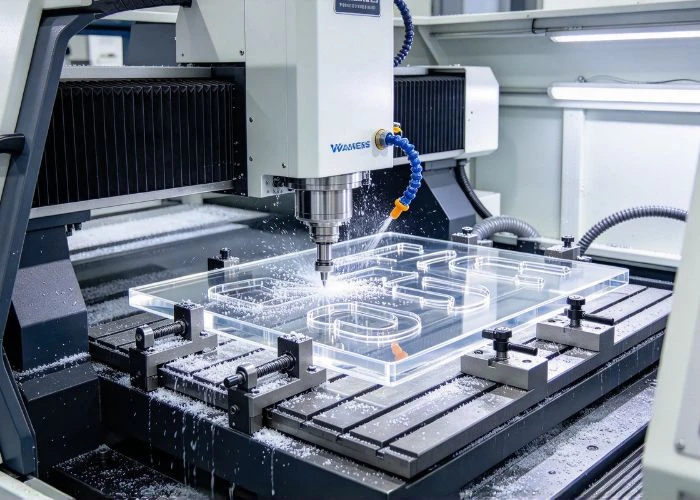
For example, a transparent PMMA housing may require careful machining, manual finishing, and visual inspection. The appearance of the final part depends on more than its CAD geometry. Material handling, surface preparation, and finishing consistency can all affect the result.
Similarly, a plastic assembly containing several machined components may require coordinated attention to mating dimensions and visible part transitions. If these relationships are critical, working with a manufacturer that understands both individual part production and assembly requirements may simplify problem resolution.
Direct manufacturing can also be useful when design revisions occur during development. A manufacturer familiar with the previous version may be able to explain which changes affect programming, material preparation, finishing, or inspection.
However, I would not select a direct manufacturer if its equipment, material expertise, or capacity does not match the project. A supplier with the right technical capabilities and a reliable management system is more valuable than one chosen only because it describes itself as factory-direct.
When Are Prototyping Services or Manufacturing Platforms a Better Choice?
Prototyping services and manufacturing platforms can be effective when a project requires broad process coverage, multiple supplier options, or centralized purchasing. I consider them especially relevant when the customer needs different manufacturing technologies that would be difficult for one specialized factory to provide. Their value depends on supplier qualification, technical coordination, and clear responsibility for the delivered parts.
A product development team may need machined plastic housings, metal brackets, printed fixtures, and specialized molded components within the same project. A manufacturing platform with a qualified supplier network may provide a convenient way to source these different parts through one purchasing channel.
Platforms can also offer flexibility when production capacity changes. Access to multiple manufacturing partners may help distribute orders across available resources, although this does not guarantee shorter lead times for every project.
I recommend paying attention to supplier continuity for repeated prototype revisions. If different factories manufacture successive versions, differences in equipment, processing methods, or finishing practices may complicate comparisons between prototypes.
A well-managed service provider can address these issues through consistent specifications, documented inspection requirements, and controlled supplier selection. For buyers, the question is whether these controls are visible and reliable enough for the project.
How Should Engineers Evaluate Prototype Manufacturers Before Ordering?
Selecting a prototype supplier requires more than reviewing equipment photographs or comparing quoted prices. I recommend evaluating the supplier against the actual engineering requirements of the project, including materials, geometry, inspection, finishing, and communication. The most useful supplier is one that can explain how the parts will be manufactured and what risks should be addressed before production begins.
Manufacturing Capabilities and Material Experience
I first verify whether the supplier has experience with the required manufacturing process and material. A factory that routinely machines aluminum may not necessarily have equivalent experience with thin-wall PC, transparent PMMA, or flexible PP components.
For plastic prototyping, material behavior can affect workholding, cutting conditions, dimensional stability, and finishing. I therefore consider previous experience with similar plastic components more relevant than a general claim of precision manufacturing capability.
Equipment capacity also matters. Part dimensions, machining travel, tool access, printing build volume, and finishing resources should match the proposed geometry. When the supplier cannot perform a required operation internally, I recommend confirming how that operation will be managed.
Inspection, Quality Documentation, and Technical Support
I also review how the supplier interprets dimensional requirements. A general tolerance statement is not enough when the project contains critical mounting positions, mating surfaces, or assembly interfaces. These features may require specific inspection methods and agreed acceptance criteria.
Depending on the project, relevant documentation may include dimensional inspection reports, material information, and records of agreed manufacturing changes. I recommend specifying documentation requirements during quotation rather than assuming they are included in every order.
Technical support should also be practical. When a feature is difficult to manufacture, a capable supplier should explain the constraint, identify possible alternatives, and clarify how any proposed change may affect the intended function.
For additional background on manufacturing supplier models and quality considerations, the Protolabs manufacturing-model comparison illustrates how factory ownership, supplier networks, engineering support, and inspection systems can differ between providers.
Compare Manufacturers: Protolabs vs. Xometry
How Do Prototype Manufacturing Costs and Lead Times Compare?
Cost and lead time comparisons are meaningful only when suppliers are quoting the same manufacturing requirements. I examine whether each proposal includes the specified material, quantity, dimensional expectations, finishing, inspection, and delivery scope. A lower quoted price or shorter advertised lead time may not represent a better overall result if important requirements are excluded or interpreted differently.
Direct manufacturers and prototyping service providers may structure their costs differently. A factory quotation may reflect its internal manufacturing resources and selected external operations, while a service provider’s price may also cover supplier coordination, sourcing, and project management.
Neither pricing model is automatically cheaper. A direct manufacturer may be competitive for processes it performs efficiently, while a manufacturing platform may offer advantages when a project requires several specialized suppliers.
Lead time requires similar attention. I distinguish manufacturing time from total delivery time, which may include engineering review, material preparation, production scheduling, finishing, inspection, packaging, and shipping.
For a multi-part prototype assembly, the overall schedule may depend on the component with the longest manufacturing or finishing requirement. Completing most components early does not necessarily mean the complete assembly is ready for delivery.
When comparing quotations, I recommend confirming whether the stated lead time begins after order confirmation, drawing approval, material availability, or another milestone. This avoids comparing schedules that use different starting points.
What Information Should You Send to Prototype Manufacturers for a Quote?
A useful prototype quotation begins with clear manufacturing information. I recommend providing enough detail for the supplier to understand not only the shape of the part but also the material, quantity, critical requirements, and intended deliverables. Incomplete information can lead to assumptions that affect pricing, process selection, and the finished prototype.
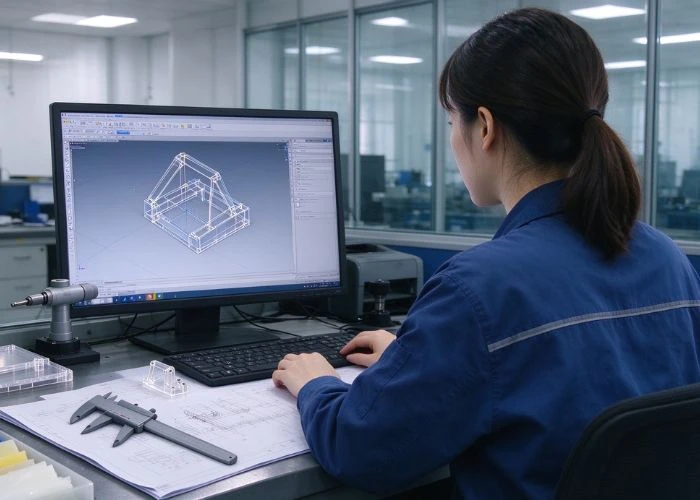
A 3D CAD model is usually the starting point for geometry review. Where critical dimensions, tolerances, threads, inserts, or inspection requirements matter, I also recommend providing a 2D engineering drawing that identifies those details.
Material specifications should be as clear as possible. A request for “black plastic” does not communicate the same manufacturing requirements as a specified ABS or PC grade with defined appearance and performance expectations.
Quantity and finishing requirements also influence the quotation. One unfinished engineering sample may require a different process from ten painted and silk-screened appearance prototypes, even when the underlying CAD geometry is identical.
For assemblies, I recommend identifying which components will be supplied by the customer, which parts the manufacturer must produce, and what level of trial fitting or assembly is expected. These details help establish responsibility before manufacturing begins.The goal is not to create unnecessary paperwork. It is to provide the information required for a quotation that accurately reflects the intended manufacturing scope.
How We Support Plastic Prototype Manufacturing at UForProto
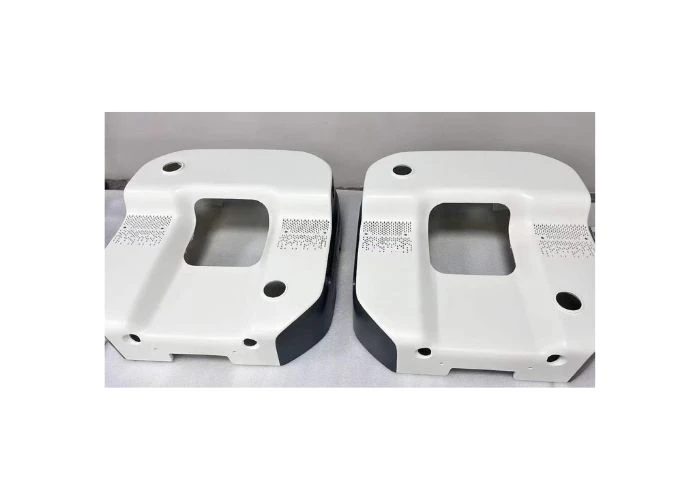
At UForProto, we operate as a direct plastic prototype manufacturer rather than a trading company. Our work focuses on turning customer-provided CAD designs and engineering requirements into physical plastic components and prototype assemblies. We support projects through CNC plastic machining, SLA and SLS 3D printing, vacuum casting, surface finishing, and coordinated prototype assembly.
Our manufacturing approach begins with understanding the required component rather than automatically assigning every design to one process. A machined engineering-plastic part, a detailed printed component, and a vacuum-cast appearance sample may serve different development purposes.
For multi-component projects, we can coordinate manufacturing, finishing, and physical assembly within our available capabilities. We pay attention to drawing requirements, component interfaces, visible surfaces, and the practical manufacturing considerations that affect the finished prototype.
Our scope is focused on prototype manufacturing and related low-volume work. We do not provide injection molding or complete-device functional testing, and we do not represent those activities as part of our manufacturing services.
Engineers and purchasing teams can send us CAD files, drawings, materials, quantities, and finishing requirements for manufacturing review and quotation. This allows us to evaluate the project against our actual capabilities and clarify important requirements before production.
Conclusion
Choosing between prototype manufacturers and prototyping services is not simply a choice between factories and intermediaries. Both can provide valuable manufacturing support, but their production models, technical communication, process coverage, and quality responsibilities may differ. I recommend evaluating suppliers through their actual capabilities, material experience, inspection procedures, quotation scope, and ability to resolve manufacturing problems. For plastic components, these factors become particularly important when geometry, appearance, and assembly requirements must be coordinated. A reliable partner should make manufacturing responsibilities clear before production begins. Send your CAD files and project requirements to UForProto for a practical manufacturing review and quotation.
FAQs
1. What Is the Difference Between Prototype Manufacturers and Prototyping Services?
Prototype manufacturers are companies involved in producing physical prototype parts, while prototyping services describe the manufacturing and support activities offered to customers. A service provider may also be a direct manufacturer, so the two terms are not mutually exclusive. I recommend verifying who manufactures the parts and who is responsible for quality.
2. Are Direct Prototype Manufacturers Always Cheaper?
No. Direct manufacturers may offer competitive pricing for processes they perform efficiently, but cost depends on materials, geometry, quantity, finishing, and capacity. A manufacturing platform may provide better value when several specialized processes are required. I recommend comparing quotations with the same technical and delivery requirements.
3. How Can I Verify Whether a Prototype Manufacturer Has Its Own Factory?
I recommend asking which processes are performed in-house, requesting relevant production examples, and discussing manufacturing questions with the technical team. Factory photographs or videos can provide supporting evidence, but actual capabilities, quality procedures, and clear production responsibilities are more important than promotional claims.
4. What Manufacturing Processes Do Prototype Manufacturers Commonly Offer?
Common processes include CNC machining, 3D printing, casting, sheet-metal fabrication, and specialized molding methods. The available capabilities vary by supplier. For plastic prototyping, I commonly evaluate CNC plastic machining, SLA or SLS printing, and vacuum casting according to material, geometry, quantity, and project objectives.
5. What Should I Check Before Choosing a Prototype Manufacturing Supplier?
I recommend checking relevant manufacturing experience, material availability, equipment capability, inspection procedures, finishing options, technical communication, and delivery responsibilities. The supplier should also be able to explain how it handles design questions and nonconforming parts. These factors are often more useful than comparing quoted prices alone.
6. What Files Do Prototype Manufacturers Need for an Accurate Quote?
I recommend providing a 3D CAD model, relevant 2D drawings, material specifications, quantities, finishing requirements, and target delivery information. Critical tolerances and assembly expectations should also be identified. Complete information helps the manufacturer evaluate feasibility and prepare a quotation that reflects the actual project scope.