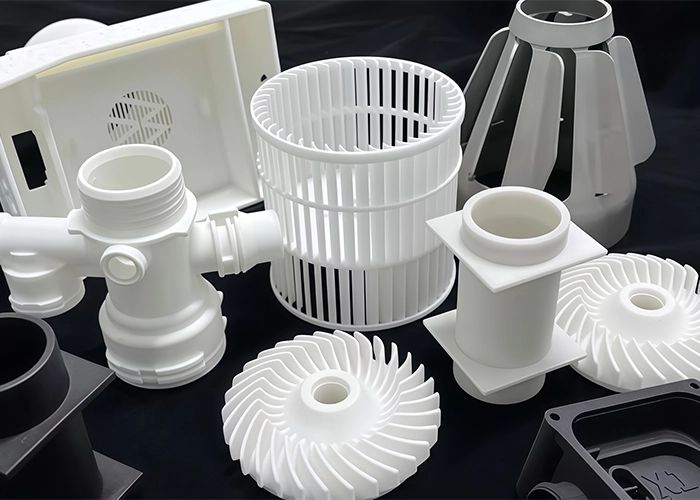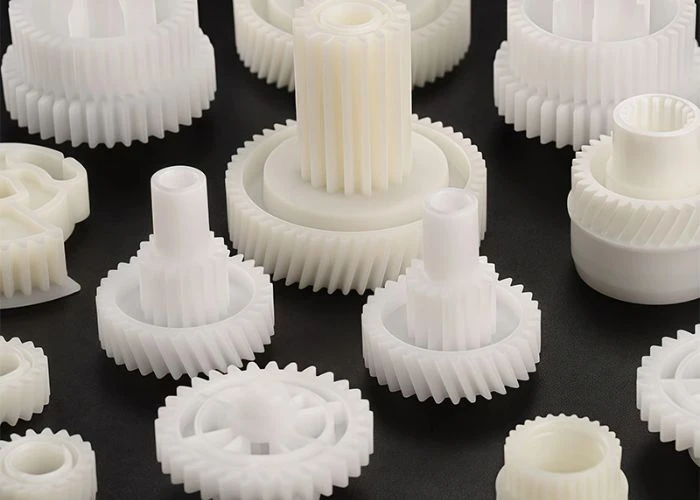

Choosing a plastic prototype is not simply about selecting a manufacturing process or material. Different stages of product development raise different engineering questions, which means the purpose of a prototype changes as the design matures. An early prototype may only need to confirm size and appearance, while a later build may need to verify assembly, functional performance, or manufacturing readiness. Understanding the main types of plastic prototypes helps engineering teams choose the right level of validation without adding unnecessary cost or development cycles.
Plastic Prototype Types Follow Different Validation Goals
Different types of plastic prototypes are used to answer different engineering questions during product development. The right approach to plastic prototype manufacturing depends on what engineers need to evaluate, including appearance, mechanical performance, assembly, or production readiness.
Concept Prototypes Confirm the Overall Product Direction
Concept prototypes are usually created during the earliest stages of development. Their primary purpose is to transform a digital idea into a physical object that can be reviewed by engineering, industrial design, product management, or customers.
At this stage, tight tolerances and production-level surface quality may not be the highest priorities. Instead, teams often evaluate overall dimensions, product proportions, basic ergonomics, component locations, and whether the proposed design makes sense as a physical product. Identifying major design problems at this stage is usually faster and less expensive than correcting them after detailed engineering work has been completed.
Appearance Prototypes Validate Product Look and User Perception
Appearance prototypes focus on what the finished product should look and feel like. They are commonly used to evaluate housing geometry, surface transitions, colour, texture, gloss, logos, graphics, and other visual details before the design is finalised.
For plastic products, these prototypes may involve CNC plastic machining or other prototyping methods followed by sanding, polishing, painting, silk screening, UV finishing, or similar surface treatments. Although an appearance prototype may not contain fully functional internal mechanisms, it provides valuable information for design reviews, customer presentations, ergonomic evaluation, and final cosmetic approval.
Functional Prototypes Test How the Product Performs
Functional prototypes are built when the engineering team needs to understand how the product behaves rather than simply how it looks. Material selection, dimensional accuracy, fastening features, moving mechanisms, structural strength, and operating conditions become more important at this stage.
Whenever possible, functional prototypes should use materials and manufacturing methods that reasonably represent the intended production part. CNC plastic machining is often valuable here because engineering plastics such as PC, POM, ABS, PA, or PPS can be machined directly and evaluated under realistic mechanical conditions.
The goal is not necessarily to reproduce the final production process, but to obtain reliable engineering evidence before committing to tooling or larger production investment.
Assembly Prototypes Reveal System-Level Problems
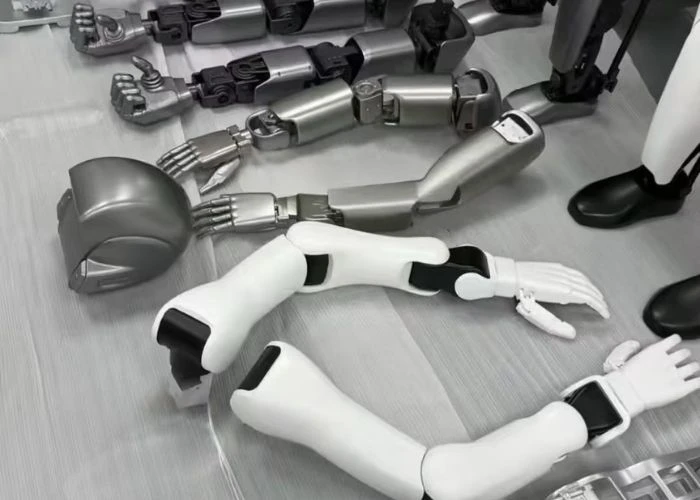
A group of individually accurate components does not automatically create a successful product. Once multiple plastic parts, purchased components, fasteners, electronic modules, and mechanical systems are assembled together, new problems may appear.
Assembly prototypes help engineers evaluate part interfaces, fastening positions, installation sequence, accumulated tolerances, internal clearance, accessibility, and serviceability. These issues are often difficult to identify from CAD models or individual components alone.
For products containing multiple custom parts, complete prototype services can coordinate part manufacturing, surface finishing, and prototype assembly, helping engineers evaluate whether the complete system works together before the design is frozen.
Pre-Production Prototypes Reduce Manufacturing Uncertainty
Pre-production prototypes are created when the product design is approaching release and the engineering focus begins to shift from design exploration toward manufacturing consistency. At this stage, teams may verify final dimensions, assembly methods, surface specifications, purchased components, inspection requirements, and production-related documentation.
The prototype should represent the intended product closely enough to expose remaining manufacturing risks. Small inconsistencies that were acceptable during early development may become important when repeated across dozens, hundreds, or thousands of units.
A successful pre-production prototype therefore provides confidence that the product is not only functional but also sufficiently mature for manufacturing planning.
How Should Engineers Choose the Right Plastic Prototype?
The right prototype depends on the engineering question that needs to be answered now—not every question that may appear later in the project. Before selecting materials, tolerances, manufacturing processes, or surface finishes, I prefer to define the purpose of the prototype first. This prevents teams from building an expensive, highly detailed prototype when a simpler model could provide the information they actually need.
What Should This Prototype Be Designed to Validate?
Every prototype should begin with a clearly defined validation objective. One build might answer questions about overall size and ergonomics, while another may focus on part fit, structural strength, moving mechanisms, or cosmetic appearance.
Trying to validate every aspect of a product in one prototype often creates unnecessary complexity. Defining a limited set of engineering questions before manufacturing allows the prototype to be designed around those priorities and makes the results easier to evaluate.
Prototype Accuracy Should Match the Development Stage
Not every prototype requires the same tolerance, material, or surface quality. Early concept models may only need sufficient accuracy to evaluate size and design direction, while assembly or functional prototypes may require much tighter control over mating features and critical dimensions.
Applying production-level requirements too early can increase cost without improving the quality of the engineering decision. Prototype specifications should therefore become more demanding only when the development stage requires additional accuracy or realism.
One Prototype Should Inform the Next Iteration
Building more prototypes does not automatically create better products. The value comes from what the engineering team learns from each iteration. Before starting the next build, the current prototype should be reviewed against its original objectives and any unresolved issues should be clearly identified.
The next prototype can then focus on those remaining questions instead of repeating work that has already been completed. This creates a logical development sequence in which every prototype contributes measurable engineering value.
Prototype Requirements Change as Product Development Progresses
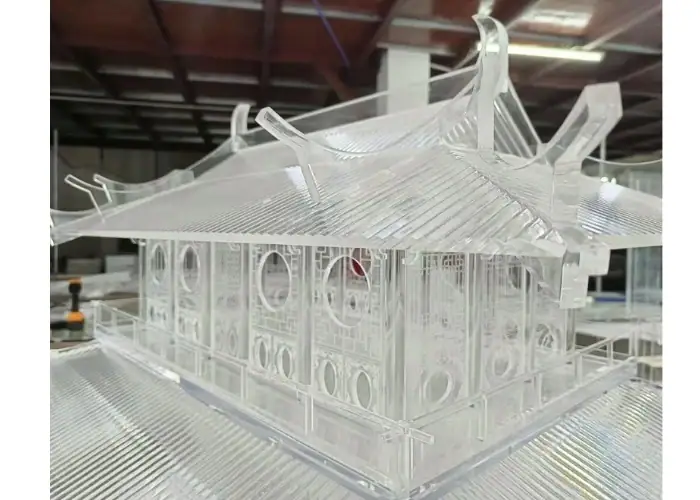
Prototype development should be viewed as a progression rather than a collection of isolated samples. Early prototypes reduce uncertainty about the product concept, while later builds progressively address appearance, function, assembly, and manufacturing readiness. Recognising this progression helps engineers avoid over-engineering early prototypes or using simplified prototypes when more representative validation is required.
Plastic Prototype Types Across Product Development
| Development Stage | Typical Prototype Type | Primary Validation Goal | Key Engineering Focus |
| Concept Development | Concept Prototype | Confirm overall product direction | Size, proportion, ergonomics, design feasibility |
| Industrial Design Review | Appearance Prototype | Validate visual design | Surface quality, colour, texture, user perception |
| Engineering Development | Functional Prototype | Verify product performance | Material behaviour, mechanisms, structural performance |
| System Integration | Assembly Prototype | Confirm complete product integration | Fit, tolerance stack-up, installation and interfaces |
| Production Preparation | Pre-Production Prototype | Reduce manufacturing uncertainty | Consistency, inspection, assembly and production readiness |
Good Prototype Documentation Prevents Repeated Engineering Work
Prototype development generates valuable information beyond the physical parts themselves. Dimensional changes, assembly observations, functional testing results, surface requirements, and design decisions should be recorded so that future iterations retain the engineering knowledge gained from earlier builds.
Well-organised documentation also improves communication between engineering, manufacturing, quality, purchasing, and project management teams. When everyone understands what changed, why it changed, and what still needs validation, the next prototype can focus on new engineering questions instead of rediscovering problems that were already identified.
Conclusion
Choosing the right type of plastic prototype depends on what needs to be validated at each stage of product development. Concept prototypes, appearance prototypes, functional prototypes, assembly prototypes, and pre-production prototypes all serve different engineering purposes. By defining clear validation goals before manufacturing, teams can reduce unnecessary iterations and make more confident decisions before production. At UForProto, we support customers with plastic prototyping, CNC plastic machining, prototype assembly, and low-volume manufacturing, helping transform product concepts into reliable prototypes ready for the next development stage.
FAQs
1. What are the main types of plastic prototypes?
The main types commonly used during product development include concept prototypes, appearance prototypes, functional prototypes, assembly prototypes, and pre-production prototypes. Each type supports a different stage of engineering validation.
2. Why do products usually require more than one prototype?
Different development stages raise different engineering questions. Using multiple prototype iterations allows teams to validate design, appearance, function, assembly, and manufacturing readiness progressively rather than trying to solve every issue in one build.
3. What is the difference between an appearance prototype and a functional prototype?
An appearance prototype focuses primarily on visual design, surface quality, colour, texture, and user perception. A functional prototype focuses more on material behaviour, structural performance, mechanisms, and whether the product operates as intended.
4. When should engineers build an assembly prototype?
An assembly prototype becomes valuable when multiple custom parts, purchased components, electronic modules, or mechanical systems need to be evaluated together. It helps engineers verify interfaces, fit, installation sequence, tolerance stack-up, and service accessibility.
5. Does every prototype need production-level accuracy?
No. Prototype accuracy should match its engineering purpose. Early prototypes may only need enough accuracy to confirm design direction, while functional, assembly, and pre-production prototypes often require tighter control of critical dimensions and interfaces.
6. How does UForProto support different plastic prototype types?
UForProto provides one-stop prototype manufacturing services including CNC plastic machining, 3D printing, vacuum casting, prototype assembly, surface finishing, and low-volume manufacturing. We support customers from early concept development through functional validation, complete prototype assembly, and production preparation.