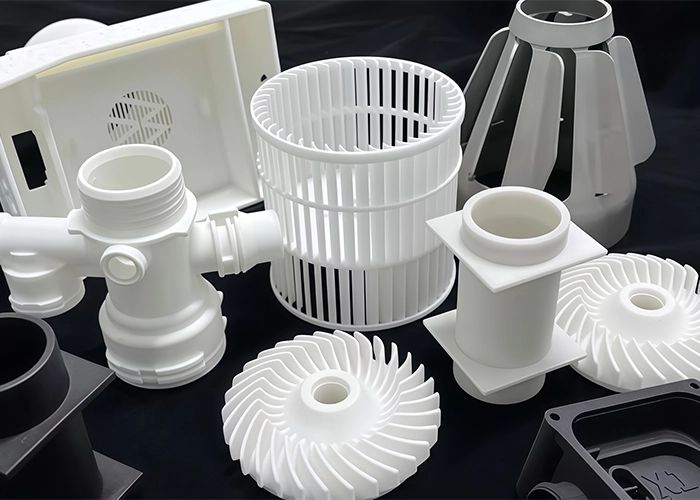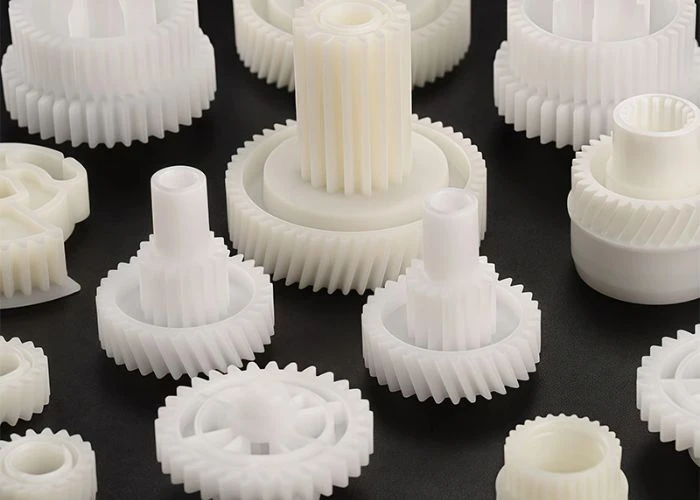

CNC plastic machining is one of the most reliable manufacturing methods for producing functional plastic prototypes and low-volume plastic parts. Unlike additive manufacturing, CNC machining removes material from solid engineering plastics, allowing engineers to evaluate real material performance, accurate dimensions, surface conditions, and assembly relationships before production.
For many prototype projects, appearance alone is not enough to confirm whether a design will work. Engineers often need parts that behave closer to the final product, especially when testing involves mechanical interfaces, moving components, structural performance, or functional assembly. This is why CNC plastic machining remains an important solution in plastic prototyping.
Why CNC Plastic Machining Is Important for Functional Prototypes?
CNC plastic machining is valuable because it allows engineers to create custom plastic parts using real engineering plastics instead of relying only on appearance models or substitute materials. By machining materials that are closer to final production parts, teams can evaluate how the design performs under realistic conditions.
Compared with some rapid prototype methods, CNC machining provides better control over material selection, dimensional accuracy, and functional testing requirements. This makes it especially useful when prototype decisions depend on actual mechanical behaviour rather than visual confirmation.
Real Engineering Plastics Improve Prototype Validation
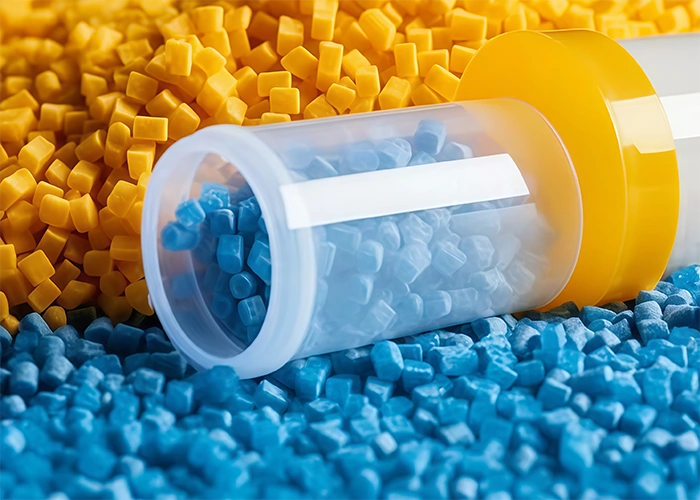
One of the biggest advantages of CNC plastic machining is the ability to manufacture prototypes directly from engineering plastics such as ABS, PC, POM, PA, PPS, and PMMA. These materials provide characteristics closer to production components compared with many printed prototype materials.
Using real materials allows engineers to evaluate important factors such as strength, stiffness, surface behaviour, assembly performance, and environmental resistance earlier in the development process. This helps teams understand whether the design itself works properly before moving toward production.
CNC Machining Provides Accurate Parts for Assembly Testing
Many prototype projects involve multiple components working together, which means small dimensional differences can affect the final result. CNC plastic machining can create accurate features, controlled tolerances, and stable geometry for testing housings, mechanical interfaces, brackets, and moving components.
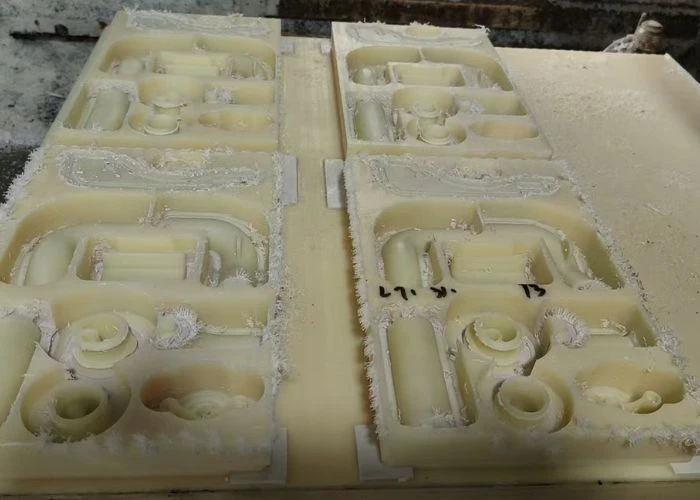
The purpose of CNC accuracy is not simply achieving smaller numbers on a drawing. More importantly, it allows engineers to verify whether different parts fit, move, and interact as expected during prototype evaluation.
How CNC Plastic Machining Turns CAD Files Into Finished Parts?
A successful CNC plastic machining project depends on more than the cutting process itself. Before machining begins, engineers need to review the CAD model, understand functional requirements, and determine the most suitable manufacturing approach.
Good preparation helps identify potential challenges related to geometry, tolerances, material behaviour, and finishing requirements before production starts. This reduces unnecessary changes later and improves the consistency of the final prototype.
CAD Review and Machining Strategy Before Production
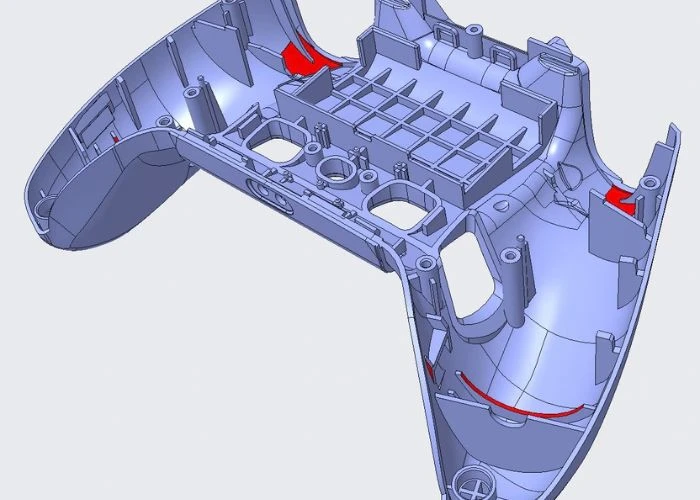
Before machining begins, the CAD model should be reviewed from both design and manufacturing perspectives. Engineers need to consider wall thickness, internal features, sharp corners, holes, threads, assembly interfaces, and tolerance requirements because these factors directly influence machining difficulty and final part quality.
The machining strategy should also match the purpose of the prototype. A cosmetic prototype may focus more on surface appearance, while a functional prototype may require tighter control of dimensions, mechanical interfaces, and material performance. Defining these priorities early helps avoid unnecessary manufacturing adjustments after production starts.
Post-Machining Finishing and Inspection
CNC machining creates the basic geometry of the plastic prototype, but additional finishing processes are often required to achieve the final functional or visual requirements. Depending on the application, parts may require deburring, sanding, polishing, painting, coating, or other surface treatments.
Inspection is equally important after machining. Engineers may need to verify critical dimensions, assembly fit, surface quality, and functional movement before accepting the prototype. A complete inspection process ensures that the manufactured part reflects the original design intent.
Why Plastic CNC Machining Requires Different Manufacturing Strategies?
Although CNC machining is widely used for both metals and plastics, plastic materials require different considerations during manufacturing. Their lower stiffness, thermal sensitivity, and different mechanical behaviour mean that machining decisions cannot simply copy traditional metal machining approaches.
Successful plastic machining depends on understanding how material properties, part geometry, and prototype requirements interact throughout the process.
Plastic Materials Require Different Cutting Approaches
Engineering plastics respond differently to cutting forces compared with metals. Excessive heat, unsuitable cutting conditions, or improper tooling strategies can affect dimensional stability, surface quality, and edge condition.
Material selection also influences machining decisions. For example, softer plastics may require different support and cutting approaches, while reinforced engineering plastics may introduce different tool wear and surface considerations. Understanding the material before machining helps achieve more consistent results.
Part Geometry and Prototype Goals Influence Machining Decisions
The geometry of a plastic prototype often determines how it should be machined. Thin walls, deep cavities, small features, and complex surfaces may require additional planning to maintain accuracy and avoid unnecessary stress during machining.
The prototype objective is another important factor. A part intended for assembly testing may require different priorities compared with one used for visual evaluation. By connecting machining decisions with the final validation goal, engineers can focus resources on the features that matter most.
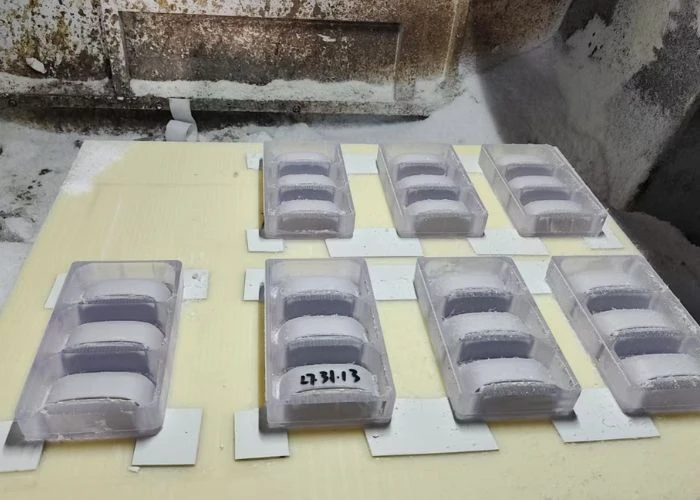
When Is CNC Plastic Machining the Right Choice?
CNC plastic machining is not always the fastest manufacturing option, but it becomes a strong choice when prototype performance depends on real material behaviour, accurate dimensions, and functional testing. Compared with methods mainly focused on appearance, CNC machining allows engineers to evaluate how the final design performs with production-relevant plastics.
The right process depends on what the prototype needs to prove. If the goal is only visual confirmation, other rapid methods may be sufficient. However, when the prototype needs to verify assembly, mechanical performance, moving interfaces, or real material characteristics, CNC plastic machining often provides more meaningful engineering feedback.
CNC Plastic Machining Is Suitable When:
| Prototype Requirement | Why CNC Plastic Machining Fits |
| Functional testing | Uses real engineering plastics to evaluate actual performance |
| Assembly validation | Provides accurate interfaces and controlled dimensions |
| Moving components | Supports testing of clearance, alignment, and mechanical interaction |
| Low-volume production | Allows production-like parts without tooling investment |
For many engineering projects, CNC machining is valuable because it reduces uncertainty before production. Instead of asking whether a design looks correct, engineers can evaluate whether the complete part actually performs as intended.
Preparing Your Project Before CNC Plastic Machining
Good prototype results usually start before the machining process begins. Providing complete design information and defining the purpose of the prototype allows manufacturers to select suitable machining methods, materials, tolerances, and finishing options.
A clear preparation stage helps prevent avoidable changes during manufacturing and improves communication between design teams and manufacturing partners.
Provide Complete CAD and Engineering Requirements
A complete project package should include the latest CAD files, material requirements, critical dimensions, surface finish expectations, and assembly information when applicable. These details help manufacturers understand not only the shape of the part but also how the component is expected to function.
Important requirements should be identified early, especially for features that directly affect assembly or performance. Examples include mounting holes, mating surfaces, moving interfaces, and areas requiring specific tolerances.
Define the Prototype Validation Goal
Different prototype goals require different manufacturing priorities. A prototype used for appearance evaluation may focus more on surface quality and visual details, while a functional prototype may require stronger attention to material performance, tolerances, assembly relationships, and mechanical testing.
Defining the validation goal early helps avoid selecting unnecessary specifications and ensures that machining decisions support the actual engineering purpose of the prototype.
Common Mistakes When Choosing CNC Plastic Machining
Many prototype issues are not caused by the machining process itself, but by choosing the wrong manufacturing approach for the validation goal. CNC plastic machining provides strong advantages, but its value depends on whether the project requirements match what the process is designed to achieve.
| Common Mistake | Better Approach |
| Choosing CNC only because it is accurate CNC | Consider whether real material and functional testing are required |
| Focusing only on appearance | Define whether the prototype must validate performance |
| Ignoring material behaviour | Select materials based on actual working conditions |
| Treating all tolerances as equally important | Prioritize functional and assembly-critical features |
Conclusion
CNC plastic machining remains an important manufacturing solution because it helps engineers evaluate prototypes with real materials, accurate geometry, and production-relevant performance before moving into larger-scale manufacturing. Its value is not only in producing precise parts, but also in reducing uncertainty during the development process.
By combining suitable engineering plastics, controlled machining strategies, and proper validation methods, CNC prototypes can provide more reliable feedback about assembly, function, durability, and design performance. For projects where appearance alone is not enough, CNC plastic machining creates a closer connection between prototype testing and final product expectations.
FAQs
1. What Is CNC Plastic Machining Used For?
CNC plastic machining is mainly used for functional prototypes, engineering validation parts, low-volume plastic components, and custom plastic parts that require accurate dimensions and real material performance.
2. Why Choose CNC Plastic Machining Instead of 3D Printing?
CNC plastic machining is often preferred when engineers need real engineering plastics, tighter dimensional control, better surface quality, or functional testing closer to the final product. 3D printing is still useful for early concept validation and complex geometry evaluation.
3. Which Plastic Materials Can Be CNC Machined?
Common CNC plastic machining materials include ABS, PC, PMMA, POM, PA, PP, PE, PPS, and other engineering plastics. The best material depends on the required strength, temperature resistance, chemical exposure, wear performance, and prototype purpose.
4. Is CNC Plastic Machining Suitable for Low-Volume Production?
Yes. CNC plastic machining is suitable for low-volume production because it does not require expensive tooling or molds. It allows manufacturers to produce small quantities of functional plastic parts with consistent quality and repeatable dimensions.
5. How Accurate Is CNC Plastic Machining?
The achievable accuracy depends on the material, part geometry, machining strategy, and tolerance requirements. In prototype development, engineers usually focus on controlling functional dimensions, assembly interfaces, and critical features rather than applying the same tolerance to every area.
6. What Information Should Be Provided Before CNC Plastic Machining?
A complete project should include CAD files, material requirements, critical dimensions, surface finish requirements, assembly information, and the intended validation goal. These details help manufacturers select the most suitable machining approach.