
Completing a plastic prototype does not automatically mean a product is ready for production. Before moving to the next development stage, engineering teams usually review the prototype from several perspectives to confirm that important project objectives have been achieved. A structured prototype build checklist helps organise this review process, reduces overlooked details, and provides greater confidence before production decisions are made. In this article, I share the key checkpoints that I believe are worth reviewing before approving a plastic prototype.
Why Every Prototype Needs a Structured Review
Building a prototype is an important milestone, but it is only one step in the product development process. Before approving a prototype for the next stage, engineering teams need a consistent review method to confirm that development objectives have been achieved and that the project is ready to move forward. A structured review helps improve communication, reduces overlooked issues, and supports better engineering decisions throughout product development.
Prototype Completion Is Not Production Readiness
Completing a prototype should not be viewed as the finish line of product development. Instead, it provides an opportunity to evaluate whether the design has successfully answered the engineering questions that originally defined the project. Before additional investment is made, I prefer to confirm that the prototype has achieved its intended purpose and identify any remaining improvements that should be addressed during the next development stage.
Cross-Functional Reviews Improve Engineering Decisions
Prototype reviews are most effective when they involve multiple departments rather than engineering alone. Manufacturing, purchasing, quality, project management, and engineering teams often evaluate the same prototype from different perspectives. This collaborative review process helps identify potential issues that might otherwise be overlooked and creates a more complete understanding of the project’s current status.
Standardised Reviews Improve Project Consistency
Using the same review process across different projects makes engineering decisions easier to document and compare. A consistent review framework also improves communication between departments and creates clearer project records throughout development. At UForProto, prototype review activities follow the principles of our ISO 9001:2015 quality management system, helping ensure that project documentation remains organised, traceable, and consistent from prototype approval through production preparation.
Prototype Build Checklist Before Production
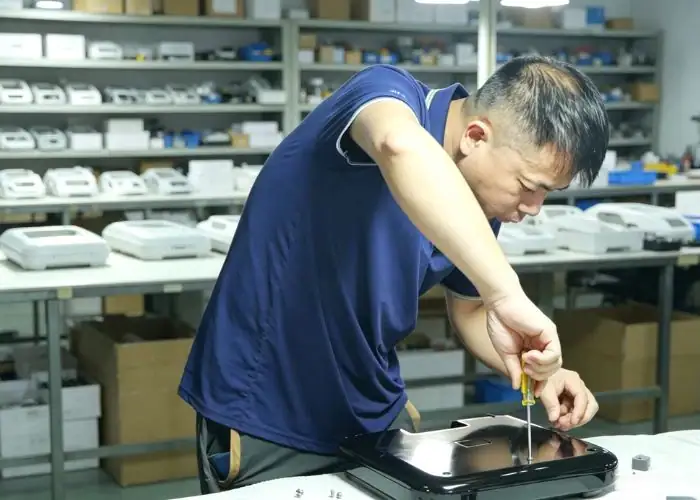
Before approving a prototype for the next stage of development, I prefer to review the project as a whole rather than focusing only on the finished parts. For projects involving multiple manufactured parts, surface finishes, and assembled components, complete prototype services can help coordinate these stages within one prototype build. A structured checklist then helps confirm that the prototype reflects the latest project status, supports the original engineering objectives, and provides a clear direction for what happens next.
Confirm Prototype Objectives
Every prototype is built to answer specific engineering questions. Before approving the build, I first confirm whether those questions have been answered. If the original objective has not been achieved, moving forward too early usually creates more work later. Reviewing the original development goals ensures that the prototype has delivered the information needed to support the next engineering decision.
Verify the Latest Approved Design
A prototype should always match the latest approved drawings and CAD files. Confirming the design revision before review ensures that everyone is evaluating the same version and avoids unnecessary discussions caused by outdated documents. Keeping engineering documentation aligned with the physical prototype also improves communication between project teams and helps prevent revision errors during later development stages.
Check Customer Requirements
Besides technical requirements, customers may also specify appearance details, colours, logos, surface finishes, or other project expectations. Reviewing these requirements together with the completed prototype helps confirm that the delivered sample accurately reflects the agreed project scope. This review also provides an opportunity to identify any customer requests that may require additional refinement before production.
Record Outstanding Issues
Not every issue needs to be resolved in a single prototype iteration, especially when common challenges in plastic prototype manufacturing are identified during the build and review process. What matters is that remaining issues are clearly documented and assigned to the next development stage. Keeping accurate records allows engineering teams to focus future prototype reviews on unresolved items instead of repeating previous discussions, making product development more efficient.
Define the Next Development Step
A prototype review should always conclude with a clear direction for the project. Whether the next step involves another prototype iteration, customer approval, functional testing, or production preparation, everyone involved should leave the review with the same understanding of what happens next. Clearly defining the following stage helps maintain project momentum and reduces unnecessary delays.
Prototype Build Checklist
| Review Item | Verification Before Approval |
| Prototype objectives have been achieved | ✓ |
| Latest CAD files and drawings have been verified | ✓ |
| Customer requirements have been reviewed | ✓ |
| Outstanding issues have been documented | ✓ |
| Next development step has been agreed | ✓ |
Expected Outcomes of a Prototype Review
A prototype review should achieve more than simply identifying issues. Every review should produce clear conclusions that help the project move forward with confidence. When expected outcomes are defined from the beginning, engineering discussions become more productive, project priorities become clearer, and development decisions are easier to implement.
A Clear Decision
Every prototype review should end with a clear decision rather than another open discussion. Whether the prototype is approved, requires further refinement, or moves directly to production preparation, everyone involved should leave with the same understanding of the project’s current status. Reaching a clear conclusion helps prevent repeated discussions and keeps development progressing efficiently.
A Prioritised Action List
Not every improvement has the same level of importance. Organising outstanding tasks according to priority allows engineering teams to focus on the changes that have the greatest impact before beginning the next stage of development. A structured action list also makes project responsibilities easier to communicate and follow throughout the remaining development process.
Shared Understanding Across the Project Team
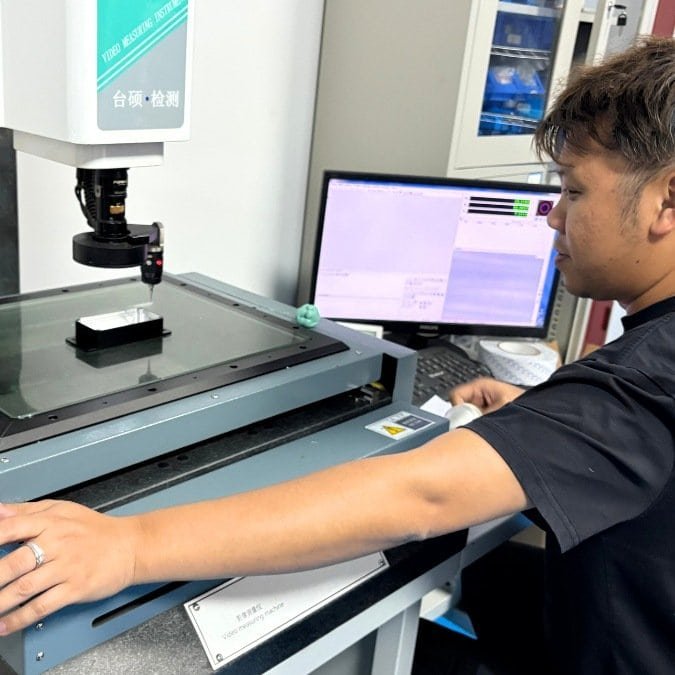
Successful prototype reviews create a shared understanding across engineering, manufacturing, quality, purchasing, and project management teams. When everyone works from the same information, communication becomes more efficient, engineering decisions are easier to implement, and future development activities remain aligned with the overall project objectives.
Conclusion
A plastic prototype build checklist is more than a simple list of items to review before production. It provides a structured approach for confirming that project objectives have been achieved, engineering information remains consistent, and the team is prepared for the next stage of development. By reviewing prototype objectives, design revisions, customer requirements, outstanding issues, and future actions in a consistent way, engineering teams can reduce development risks and make better-informed production decisions.
At UForProto, we support this process through precision plastic prototyping, CNC plastic machining, prototype assembly, surface finishing, and low-volume manufacturing. Combining reliable manufacturing with a structured review process helps customers move from prototype validation to production with greater confidence.
FAQs
1. What is the purpose of a prototype build checklist?
A prototype build checklist provides engineering teams with a structured method for reviewing project readiness before moving to the next stage of development. It helps confirm that important project objectives have been completed and that key engineering information has been properly reviewed.
2. Should every prototype use the same checklist?
The overall review framework can remain consistent, but the specific checklist items may vary depending on the product, project objectives, and stage of development. The checklist should always reflect the purpose of the prototype being reviewed.
3. Who should participate in a prototype review?
Prototype reviews are usually most effective when engineering, manufacturing, quality, purchasing, and project management teams participate together. Reviewing the prototype from multiple perspectives helps identify issues that might otherwise be overlooked.
4. Should project documents be reviewed together with the prototype?
Yes. Engineering drawings, CAD revisions, customer requirements, and other supporting documents should always be reviewed alongside the physical prototype to ensure that everyone is working from the latest approved information.
5. How many prototype review rounds are usually required?
The number of review rounds depends on product complexity and development objectives. Many projects require multiple prototype iterations before the design is considered ready for production.
6. How does UForProto support prototype build projects?
UForProto supports customers throughout prototype development with plastic prototyping, CNC plastic machining, prototype assembly, surface finishing, and low-volume manufacturing. We also help customers organise structured prototype reviews so that every prototype delivers practical engineering value before production.