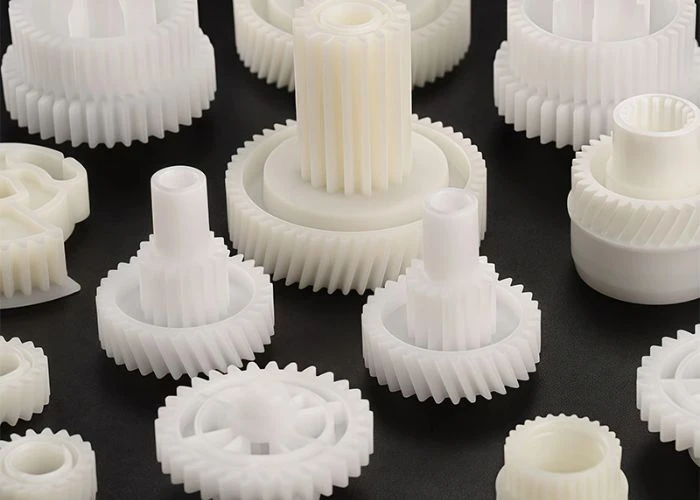

Plastic pollution is the accumulation, distribution, and persistence of plastic materials and plastic particles in the natural environment. It occurs when plastic products, fragments, fibers, or other plastic materials are released into land, freshwater, coastal areas, and marine ecosystems and are not effectively contained, recovered, recycled, or disposed of.
This article examines the main causes of plastic pollution, how plastic moves through environmental systems, its effects on wildlife and ecosystems, the role of microplastics, and practical approaches for reducing plastic waste.
What Is Plastic Pollution?
Plastic pollution refers to the accumulation and spread of plastic waste and particles in environmental systems where they can persist, accumulate, or interact with organisms and habitats. It includes both large plastic debris that can be seen directly and smaller particles that may be difficult to detect.
Plastic pollution can occur almost anywhere plastic products are used, transported, discarded, or exposed to environmental conditions. It can be found in densely populated cities as well as rivers, agricultural areas, beaches, oceans, sediments, and remote environments.
Common examples include discarded consumer packaging, plastic bags, beverage bottles, food containers, fishing equipment, industrial plastic materials, synthetic fibers, and fragments generated through the deterioration of larger plastic products.
| Type of Plastic Pollution | Examples | Common Environmental Location |
| Consumer Plastic Waste | Bottles, bags, containers | Urban areas, land, waterways |
| Packaging Waste | Wrappers, films, food packaging | Cities, beaches, land |
| Fishing-Related Debris | Nets, ropes, fishing lines | Oceans, coastal areas |
| Industrial Plastic Waste | Pellets, production scraps | Industrial areas, waterways |
| Plastic Fragments | Broken packaging and products | Soil, sediments, water |
| Microplastics | Fibers and particles below 5 mm | Water, soil, air, organisms |
A major characteristic of plastic pollution is persistence. Many conventional plastics do not readily biodegrade under normal environmental conditions. Instead, larger products can gradually weather and fragment into smaller pieces.
This distinction is important because fragmentation does not necessarily eliminate the material. A large plastic object can become numerous smaller fragments, including microplastics, which can be more difficult to locate and recover.
Plastic pollution is therefore both a waste-management challenge and a material-persistence challenge.
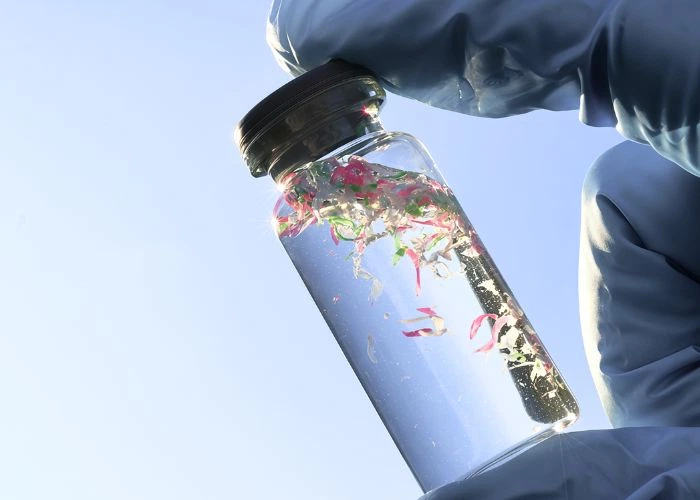
Where Does Plastic Pollution Come From?
Plastic pollution comes from multiple sources across the plastic life cycle, including single-use products, mismanaged waste, littering, industrial operations, marine activities, and the normal wear of plastic-containing products.
The source of plastic pollution is not limited to one industry or one type of product. Plastic can enter the environment intentionally through improper disposal or unintentionally through manufacturing losses, transportation, product degradation, and environmental runoff.
Single-Use Plastics
Single-use plastics are products designed for relatively short periods of use before disposal. Common examples include shopping bags, beverage bottles, food containers, packaging films, disposable cups, wrappers, and other forms of convenience packaging.
The environmental concern is not simply that these products are plastic. Rather, their short use phase can result in large quantities of material entering waste streams within a relatively short period.
When collection and disposal systems cannot adequately manage this waste, some of it can escape into streets, drainage systems, waterways, and coastal environments.
Mismanaged Plastic Waste
Mismanaged waste is another major pathway for plastic pollution. Plastic waste can escape when collection systems are incomplete, transportation is poorly controlled, recycling capacity is insufficient, or disposal infrastructure cannot safely contain waste.
Plastic waste may then be transported by:
- Wind
- Rainfall
- Stormwater runoff
- Drainage systems
- Rivers and streams
- Ocean currents
The movement of plastic means that waste generated in one location can eventually appear in a different environmental system.
Littering
Littering introduces plastic directly into public and natural environments. Bottles, bags, wrappers, food containers, and other discarded products can accumulate in streets, parks, beaches, and waterways.
Environmental exposure can gradually change the physical condition of these products. Sunlight, temperature fluctuations, water movement, and mechanical abrasion can weaken plastic and contribute to fragmentation.
Industrial Activities
Plastic pollution can also originate from manufacturing and industrial processes.
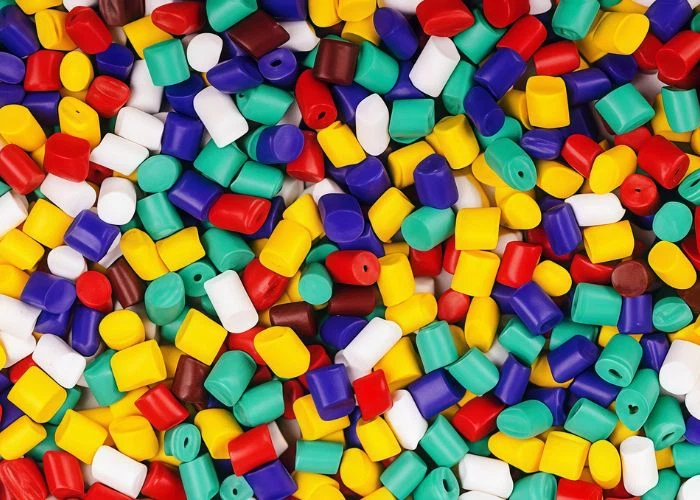
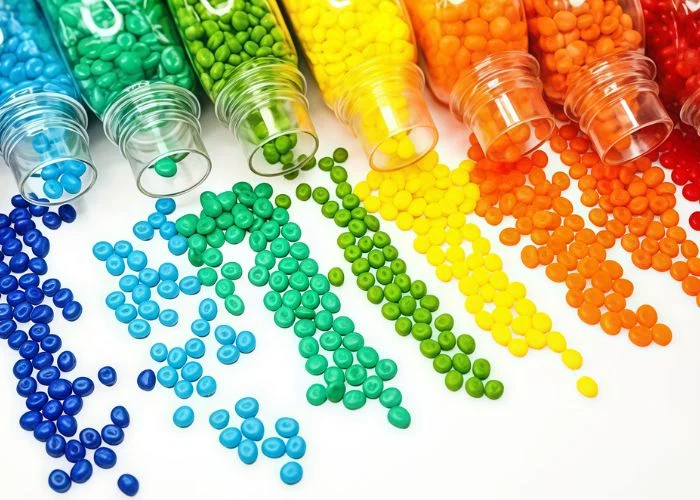
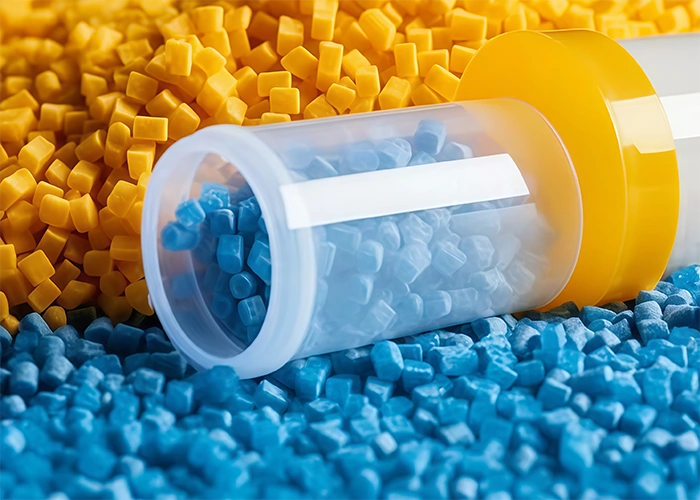
Plastic production and processing facilities may handle pellets, powders, fibers, sheets, films, packaging materials, and other plastic feedstocks. If these materials are not adequately contained or managed, accidental releases can create pathways into surrounding environments.
Industrial pollution prevention therefore involves not only managing finished products but also controlling plastic materials throughout production, storage, transportation, and processing.
Marine Activities
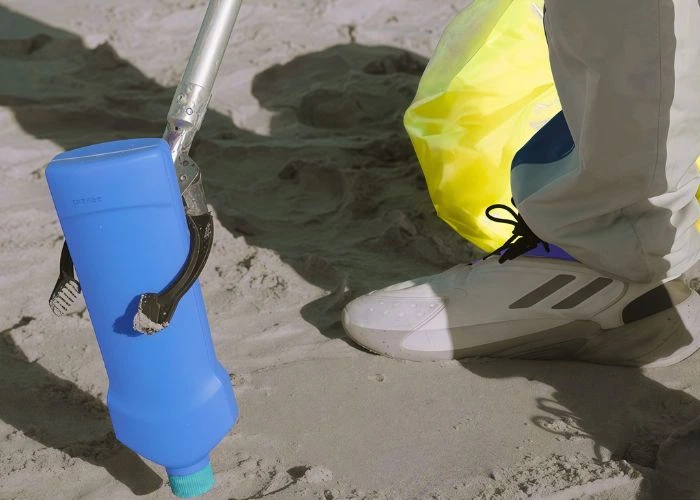
Marine activities represent another important source of plastic pollution. Fishing operations, aquaculture, shipping, and other maritime activities can involve ropes, nets, lines, containers, packaging, and other plastic equipment.
Lost or abandoned fishing gear can remain in marine environments and continue interacting with wildlife. This type of debris is often referred to as abandoned, lost, or otherwise discarded fishing gear.
Product Wear
Plastic pollution can also result from the normal use and mechanical wear of products.
For example, synthetic textiles can release fibers during washing and use, while vehicle tires and road surfaces can generate particles through abrasion. Other plastic-containing products can release small particles through repeated friction, mechanical stress, or surface deterioration.
This means plastic pollution should not be viewed exclusively as a disposal problem. Some plastic particles are generated during the functional life of products.
How Does Plastic Pollution Affect The Environment?
Plastic pollution affects the environment through physical contamination, wildlife exposure, habitat interaction, waste accumulation, and the formation and distribution of smaller plastic particles.
The effects of plastic pollution vary considerably according to the type of plastic, particle size, concentration, environmental location, exposure duration, and characteristics of the affected ecosystem.
| Environmental Area | Main Interaction With Plastic Pollution |
| Marine Ecosystems | Floating debris, submerged waste, fishing gear, microplastics |
| Freshwater Systems | River transport, shoreline accumulation, sediment deposition |
| Terrestrial Environments | Waste accumulation, soil contamination, habitat interaction |
| Wildlife | Ingestion, entanglement, physical contact |
| Food Webs | Exposure to plastic particles through feeding |
| Habitats | Physical disturbance and debris accumulation |
Effects On Wildlife
Wildlife can encounter plastic while feeding, nesting, migrating, swimming, or moving through contaminated habitats.
Ingestion is one of the most recognized forms of interaction. Some animals may mistake plastic debris for food, while smaller organisms can consume plastic particles present in water or sediment.
Entanglement is another concern, particularly for marine animals exposed to fishing nets, ropes, lines, and other flexible plastic debris. Entanglement can interfere with movement, feeding, or normal behavior.
The consequences are not identical for every species. Exposure depends on the animal’s feeding behavior, habitat, body size, plastic characteristics, and environmental conditions.
Effects On Marine Ecosystems
The ocean plastic pollution problem has received substantial attention because marine environments can receive plastic from both land-based and ocean-based sources.
Plastic can enter coastal waters through rivers, stormwater, wastewater pathways, shoreline litter, and other land-based routes. Marine activities can also introduce plastic through fishing gear, ropes, containers, and operational waste.
Once plastic enters the ocean, currents and waves can transport it over considerable distances. Some debris remains at the surface, while other material can become submerged or accumulate in sediments.
This makes marine plastic pollution difficult to manage because the material can become widely dispersed rather than remaining concentrated in a single location.
Effects On Freshwater Systems
Rivers and lakes play an important role in the movement of plastic pollution.
Plastic entering a river system can be transported downstream and may eventually reach an estuary or coastal environment. However, not all plastic continues downstream. Some materials can accumulate along riverbanks, floodplains, shorelines, and sediments.
Freshwater systems can therefore function as both pathways and temporary storage environments for plastic waste.
Effects On Land Environments
Plastic pollution is also present in terrestrial environments, including urban areas, agricultural land, soil, and natural habitats.
Agricultural plastics, consumer packaging, discarded products, and industrial waste can accumulate when collection and disposal systems are insufficient.
On land, larger plastic materials may undergo weathering and mechanical fragmentation. These processes can change the physical characteristics of plastic and contribute to the formation of smaller particles.
Effects On Food Webs
Plastic particles can interact with food webs when organisms encounter and ingest them.
Small organisms may encounter plastic particles in water or sediment, while larger organisms can be exposed directly or through feeding relationships.
The ecological significance of this exposure depends on particle properties, environmental concentration, species characteristics, and other biological and environmental factors.
Long-Term Environmental Persistence
One of the fundamental challenges associated with plastic pollution is that many conventional plastics can remain in environmental systems for extended periods.
Rather than rapidly disappearing through biological decomposition, plastic may undergo gradual physical and chemical changes. These processes can include oxidation, weathering, fragmentation, and surface degradation.
As a result, environmental plastic can change form without necessarily being completely removed from the ecosystem.
Why Is Plastic Pollution A Global Problem?
Plastic pollution is a global problem because plastic is produced and consumed across the world, waste can move between ecosystems and geographic regions, and many plastic materials can persist for long periods after entering the environment.
The problem is closely connected to global production and consumption patterns. Plastic products move through international supply chains, while waste-management capabilities vary considerably between regions.
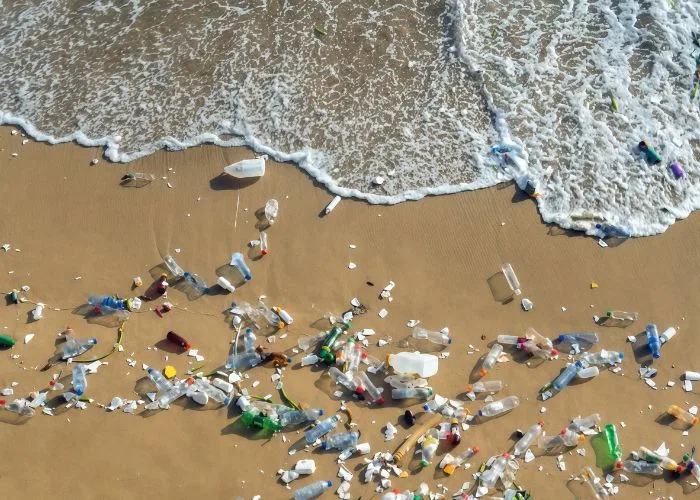
The Scale And Distribution Of Plastic Waste
Plastic is widely used because it provides useful engineering and commercial properties.
| Property | Why It Supports Plastic Use |
| Low Weight | Reduces product and transportation weight |
| Durability | Supports longer product service life |
| Chemical Resistance | Suitable for many demanding applications |
| Processability | Can be molded, extruded, machined, or formed |
| Versatility | Available in many material types and grades |
| Cost Efficiency | Suitable for high-volume manufacturing |
These characteristics help explain why plastics are used in such a broad range of industries.
However, widespread use also means that large quantities of plastic products eventually reach the end of their useful lives. If these materials are not effectively reused, recycled, collected, or disposed of, they can become environmental waste.
Why Plastic Pollution Crosses Borders
Plastic pollution can move across geographic boundaries through natural and human-made transportation pathways.
Rivers can transport plastic from inland communities toward coastal areas. Wind can move lightweight plastic debris, while ocean currents can redistribute marine plastic over large areas.
Marine activities and international trade can also contribute to the movement of plastic materials.
Therefore, the environmental location of plastic waste may differ from the location where the plastic was originally produced, consumed, or discarded.
Plastic Production, Consumption, And Waste Management
Plastic pollution is closely connected to the complete life cycle of plastic products:
Raw Materials → Plastic Production → Product Manufacturing → Distribution → Consumer Use → Collection → Recycling Or Disposal
Each stage presents different opportunities for pollution prevention.
For manufacturers, this can include reducing material waste and improving process controls. For designers, it can involve selecting suitable materials and considering durability, repairability, reuse, and end-of-life options.
For consumers and waste-management systems, collection, sorting, recycling, and appropriate disposal determine whether plastic remains within controlled waste streams or escapes into the environment.
A comprehensive strategy therefore needs to address plastic throughout its entire life cycle.
What Are Microplastics And How Are They Related To Plastic Pollution?
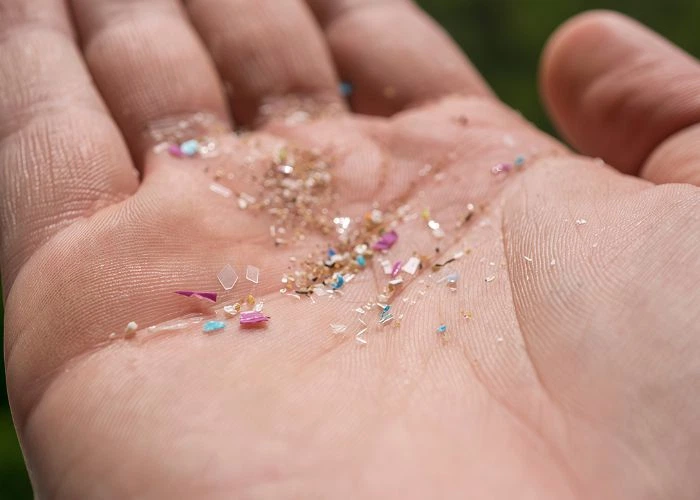
Microplastics are small plastic particles, generally defined as particles smaller than 5 millimeters, that can either enter the environment as small particles or form when larger plastic materials fragment.
Microplastics are closely connected to plastic pollution because they represent one stage in the physical transformation of plastic waste.
What Are Microplastics?
Microplastics can come from different sources, including the breakdown of larger products and direct release of small plastic particles.
| Source | Examples |
| Plastic Fragmentation | Bottles, packaging, containers |
| Textile Wear | Synthetic fibers |
| Tire Wear | Particles from tire and road abrasion |
| Industrial Activities | Plastic pellets and production materials |
| Product Wear | Particles generated through repeated friction |
| Environmental Weathering | Plastic fragments formed through degradation processes |
Their small size makes microplastics difficult to identify and recover.
Unlike large plastic debris that can sometimes be collected manually or mechanically, microplastics may become dispersed throughout water, sediments, soil, and other environmental compartments.
How Do Larger Plastics Become Microplastics?
Larger plastic products can fragment into smaller particles through sunlight, weathering, abrasion, mechanical stress, and repeated environmental exposure.
Several mechanisms can contribute to this process:
- Ultraviolet radiation can alter the surface and physical properties of some plastics.
- Temperature changes can contribute to material stress over time.
- Waves and water movement can create mechanical abrasion.
- Contact with sand, rocks, soil, and other surfaces can wear plastic down.
- Repeated mechanical use can generate particles from plastic products.
The resulting fragments can vary considerably in size and shape.
Importantly, fragmentation should not be confused with complete biodegradation. A large plastic object becoming several smaller pieces does not necessarily mean that the material has disappeared.
Why Are Microplastics Important?
Microplastics are important because they can be distributed across environmental systems and are difficult to remove once dispersed.
Their behavior depends on characteristics such as:
- Particle size
- Shape
- Polymer composition
- Density
- Surface properties
- Environmental conditions
- Concentration
Microplastics have been studied in marine and freshwater environments, sediments, soils, air, and organisms.
Scientists continue to investigate how different types and concentrations of microplastics interact with organisms and ecosystems.
How Can Plastic Pollution Be Reduced?
Plastic pollution can be reduced through a combination of source reduction, reuse, improved product design, effective waste management, recycling, pollution prevention, and coordinated action across industries and governments.
No single measure can eliminate plastic pollution because plastic enters the environment through multiple pathways.
| Solution | Primary Objective | Example |
| Reduce Consumption | Prevent unnecessary waste | Avoid unnecessary disposable products |
| Reuse Products | Extend service life | Reusable containers and components |
| Improve Product Design | Reduce material and waste impacts | Durable and repairable products |
| Improve Recycling | Recover usable materials | Better sorting and processing |
| Improve Waste Management | Prevent environmental leakage | Reliable collection and disposal |
| Control Industrial Releases | Prevent production losses | Pellet containment and handling |
| Recover Marine Debris | Remove existing pollution | Fishing gear recovery |
| Strengthen Policies | Coordinate large-scale action | Waste and production standards |
Reduce And Reuse Plastic
Reducing unnecessary plastic consumption addresses pollution at its source.
Where plastic products are necessary, increasing reuse can extend product service life and reduce the need for frequent replacement.
From an engineering perspective, durability can be particularly important. A product that maintains its required mechanical and functional performance for a longer period may reduce material consumption associated with premature replacement.
Improve Recycling
Recycling allows suitable plastic waste to be recovered and processed into new materials or products.
However, recycling efficiency depends on several technical and logistical factors, including material identification, contamination, collection systems, sorting, polymer compatibility, and processing infrastructure.
For this reason, recycling should be considered one part of a broader approach that also includes reduction, reuse, product design, and waste prevention.
Improve Waste Management
Effective waste management can significantly reduce the amount of plastic entering natural environments.
A complete system may involve:
- Waste collection
- Transportation
- Sorting
- Material recovery
- Recycling
- Controlled disposal
- Leakage monitoring
The goal is to keep plastic within controlled material and waste streams rather than allowing it to enter waterways, soil, or marine environments.
Design Better Plastic Products
Product design can influence both the amount of plastic required and how a product performs throughout its service life.
Engineers and designers can consider:
- Material efficiency
- Structural durability
- Product lifespan
- Repairability
- Reusability
- Ease of disassembly
- Material compatibility
- Recyclability
- End-of-life management
Better design does not necessarily mean eliminating plastic. In many engineering applications, plastics provide important performance benefits. Instead, the goal can be to use materials appropriately and design products that deliver the required function with an appropriate service life.
Prevent Plastic From Entering The Environment
Preventing pollution before it occurs is generally more practical than recovering widely dispersed plastic from natural ecosystems.
Manufacturers can reduce plastic leakage through improved handling, storage, transportation, process controls, containment systems, and waste procedures.
Industrial facilities that use plastic pellets, powders, fibers, sheets, or other feedstocks can also establish controls to prevent material loss during production and handling.

Global And Industry-Level Action
Plastic pollution involves manufacturers, product designers, consumers, waste-management organizations, governments, and other stakeholders.
Industry-level action can include:
- Improving material efficiency
- Reducing manufacturing waste
- Increasing product durability
- Designing for repair and reuse
- Improving recycling compatibility
- Strengthening waste controls
- Preventing accidental material releases
At the policy level, standards, collection systems, recycling infrastructure, producer responsibilities, and pollution-prevention programs can influence the overall plastic life cycle.
The most effective approach is therefore not simply to remove plastic after it becomes pollution, but to reduce the probability of environmental release throughout the product life cycle.
Key Takeaways About Plastic Pollution
Plastic pollution is a life-cycle environmental challenge that involves how plastic is produced, manufactured, used, discarded, managed, and released into natural ecosystems.
- Plastic pollution includes large debris, fragments, fibers, and microplastics.
- Plastic waste can enter land, freshwater, coastal areas, and marine ecosystems.
- Major sources include single-use products, littering, mismanaged waste, industrial activities, marine operations, and product wear.
- Plastic can move through rivers, wind, stormwater systems, and ocean currents.
- Wildlife can interact with plastic through ingestion, entanglement, and physical contact.
- Larger plastic products can fragment into smaller particles through weathering and mechanical forces.
- Microplastics are generally smaller than 5 millimeters and can be difficult to detect and remove.
- Recycling can recover useful materials but cannot address every source of plastic pollution.
- Reducing unnecessary consumption and increasing reuse can prevent waste at the source.
- Durable and repairable product design can help extend service life.
- Effective waste-management systems can reduce plastic leakage into the environment.
- Industrial controls can reduce accidental releases during plastic production and processing.
- Preventing plastic from entering natural environments is generally more practical than recovering widely dispersed debris afterward.
- Long-term solutions require coordination across product design, manufacturing, consumption, waste management, and environmental policy.
Conclusion
Plastic pollution is a widespread environmental challenge involving the accumulation, movement, and persistence of plastic materials across land, freshwater, coastal, and marine ecosystems. The problem originates from multiple stages of the plastic life cycle, including production, manufacturing, consumer use, littering, waste management, industrial activities, marine operations, and product wear. Large plastic products can also fragment into microplastics, creating particles that are more difficult to identify and recover. Addressing plastic pollution therefore requires a combination of prevention, responsible consumption, reuse, recycling, effective waste management, and improved product design.
At UForProto, plastic prototyping and low-volume manufacturing services can help designers and product developers evaluate plastic materials, product structures, and manufacturing approaches before moving to larger-scale production. From CNC plastic machining and 3D printing to vacuum casting, prototype build services, and surface finishing, UForProto supports the development of functional plastic prototypes and low-volume parts for applications where material performance, dimensional accuracy, appearance, and manufacturability need to be evaluated.
FAQs
1.Is Microplastic Pollution A Problem For Animals?
Yes, microplastic pollution can be a concern for animals because small plastic particles can be encountered or ingested across aquatic and terrestrial food webs. Researchers have documented microplastic exposure in many animal species, particularly in aquatic environments. Potential effects vary depending on particle size, polymer type, concentration, exposure duration, and species. Scientists continue to investigate how microplastic exposure may influence feeding, growth, reproduction, behavior, and other biological processes. The environmental significance also depends on local conditions and the characteristics of the exposed organism.
2.How Does Plastic Affect Marine Life?
Plastic can affect marine life through ingestion, entanglement, physical contact, habitat interaction, and exposure to small plastic particles. Marine animals may mistake plastic debris for food or become trapped in discarded fishing nets, ropes, and lines. Larger debris can also accumulate in coastal habitats or interact with marine organisms. Microplastics may be encountered by smaller aquatic organisms and can occur within marine food webs. The severity of these interactions depends on species, plastic characteristics, exposure level, environmental conditions, and duration.
3.Why Is Plastic Bad For The Environment?
Plastic can create environmental problems because many conventional plastics persist for long periods and can accumulate when waste is poorly managed. Large plastic items may remain in ecosystems and gradually fragment into smaller particles rather than rapidly biodegrading. Plastic pollution can affect wildlife, habitats, freshwater systems, soils, and marine environments. However, the environmental impact is not identical for every plastic product. It depends on factors such as polymer type, additives, quantity, location, exposure conditions, and how the material is managed throughout its life cycle.
4.Does Plastic Decompose?
Most conventional plastics do not readily biodegrade in the same way as natural organic materials. Instead, many plastics undergo physical and chemical changes caused by sunlight, heat, oxygen, moisture, abrasion, and mechanical forces. These processes can cause larger products to crack and fragment into progressively smaller particles, including microplastics. The rate and pathway of degradation depend on the polymer, additives, environmental conditions, and exposure time. Some specially engineered plastics have different degradation characteristics, so plastic behavior should be evaluated according to its specific material composition.