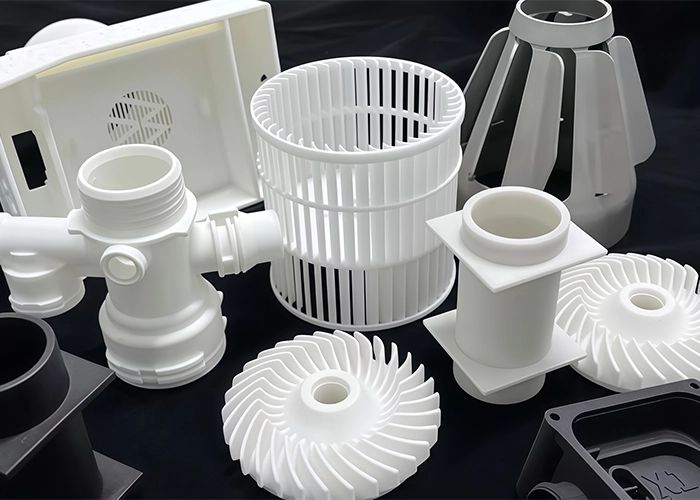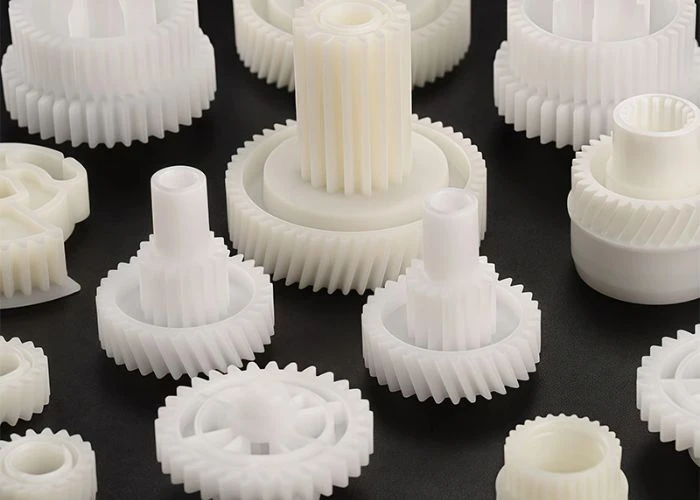

Rapid prototyping allows engineers to transform digital product designs into physical parts much earlier in the development process. Instead of waiting for production tooling, teams can evaluate shape, assembly, appearance, and functionality through real plastic prototypes. At UForProto, I see rapid prototyping as a practical manufacturing route that helps bridge the gap between CAD data and product development decisions.
Understanding Rapid Prototyping
Rapid prototyping is often associated with speed, but speed alone does not define its value. From my perspective, the real purpose is to shorten the path between a design revision and a physical prototype. By reducing development delays, engineers can review and improve products before committing to production resources.
The Meaning of Rapid in Product Development
In engineering projects, rapid does not necessarily mean manufacturing a part within hours. Instead, it means reducing the time required to move from released CAD data to a usable physical prototype.
For example, a CNC-machined housing, an SLA appearance model, and a vacuum-cast enclosure may all have different lead times. They can still belong to the same rapid prototyping workflow if they help engineers obtain physical feedback sooner.
Rapid Prototyping vs 3D Printing
Many people use the terms interchangeably, but they are not the same. 3D printing is one manufacturing method within rapid prototyping, while rapid prototyping itself is a broader product development strategy.
In plastic prototyping projects, I often see CNC plastic machining, SLA printing, SLS printing, vacuum casting, and prototype assembly used together. The selected route depends on what the prototype needs to achieve rather than on a single manufacturing technology.
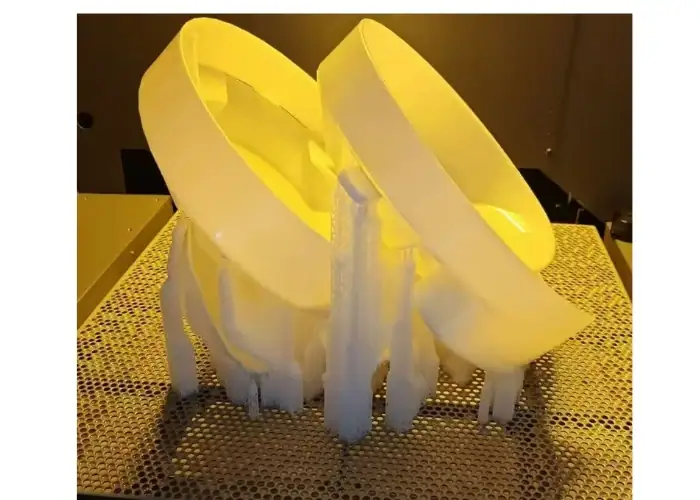
From CAD Design to Physical Plastic Prototypes
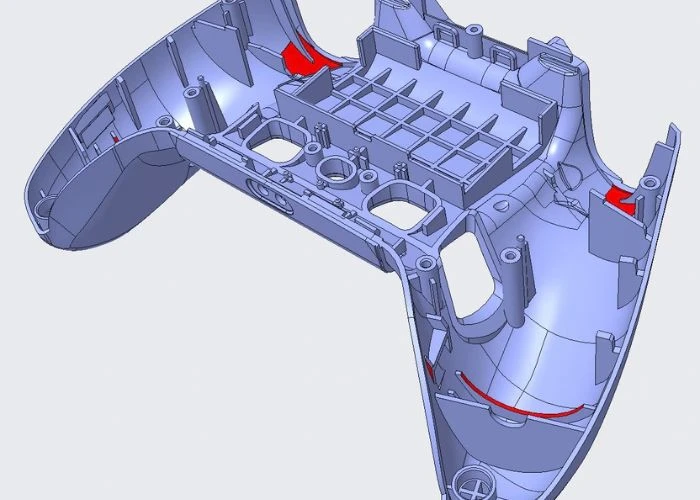
A CAD model is the starting point of almost every prototype project. However, a digital file alone is not enough to begin manufacturing. Before a plastic prototype can be built, the engineering data must be translated into a practical manufacturing package.
Project Information Beyond the CAD Model
Geometry defines the shape of a part, but it does not always explain how the prototype will be used. Visible surfaces, assembly interfaces, transparent areas, and quantity requirements can all influence manufacturing decisions.
For this reason, I usually review CAD files together with drawings, quantity information, finishing requirements, and assembly expectations. These details help convert digital data into a realistic prototype manufacturing plan.
Preparing Manufacturing-Ready Files
A CAD file may appear complete while still containing issues that affect manufacturing. Missing features, overlapping geometry, uncertain revisions, or incomplete project information can all interrupt production preparation.
At UForProto, I treat file readiness as an important part of the handoff process. The goal is to ensure that released project data can move directly into manufacturing without unnecessary clarification after production planning has already started.
Selecting the Right Rapid Prototyping Process
Once the project data is ready, the next step is selecting the most suitable manufacturing route. At UForProto, I do not begin by asking which process is the fastest. Instead, I focus on what the prototype must accomplish and which manufacturing method can best support that goal.
Using CAD Geometry to Guide Process Selection
The geometry of a plastic part often provides the first indication of how it should be manufactured. Features such as deep cavities, thin walls, transparent sections, undercuts, or large exterior surfaces can all influence the manufacturing strategy.
At UForProto, I review CAD models from a manufacturing perspective rather than treating them only as design files. Understanding how a part will be produced helps determine the most practical route for building a physical prototype.
The Role of Tolerances and Assembly Interfaces
Not every feature on a prototype carries the same level of importance. Assembly interfaces, mounting locations, snap-fit features, threaded holes, and mating surfaces often require greater attention than purely cosmetic areas.
When these critical areas are identified early, the manufacturing process can be selected around the functions that matter most. The goal is not simply to reproduce the shape, but to support meaningful engineering evaluation.
Quantity and Prototype Objectives
Prototype quantity often affects manufacturing decisions just as much as geometry. A single engineering review model, several customer evaluation samples, and a small batch for internal testing may require different manufacturing strategies.
For this reason, I always evaluate the prototype purpose together with quantity requirements. The most suitable manufacturing process should support both the physical design and the development objective.
Combining Multiple Manufacturing Processes
Most plastic products contain components with different manufacturing requirements. From my experience, a successful prototype project rarely depends on a single process. Instead, multiple manufacturing methods often work together to create the final prototype.
Benefits of a Hybrid Manufacturing Strategy
A complete product may include cosmetic housings, transparent covers, internal supports, and functional brackets. Manufacturing every component with the same process can create unnecessary compromises in cost, lead time, or prototype quality.
At UForProto, I often divide projects according to component requirements. CNC plastic machining, SLA printing, SLS printing, and vacuum casting can each contribute where they provide the greatest value.
Coordinating Different Prototype Processes
When several manufacturing methods are used within the same project, coordination becomes just as important as production itself. Components must arrive in the correct sequence so that finishing, inspection, trial fitting, and assembly can proceed smoothly.
Rather than treating every part as an independent order, I view rapid prototyping as a coordinated build process. The prototype is only complete when all manufacturing routes come together successfully.
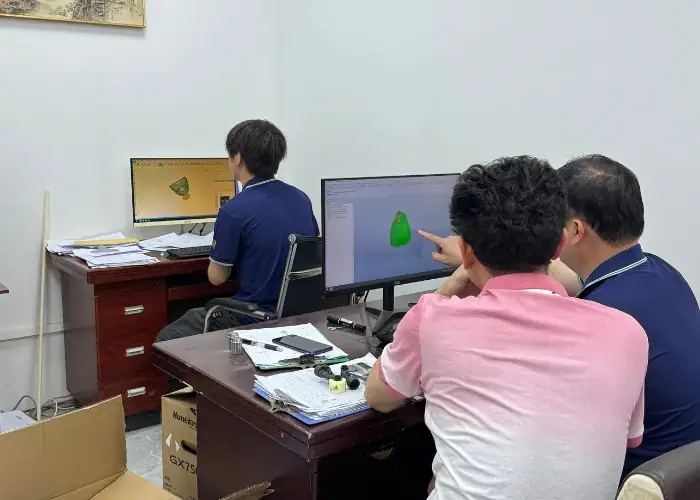
CNC Plastic Machining, 3D Printing, and Vacuum Casting in One Project
Many prototype projects combine several manufacturing technologies. For example, CNC plastic machining may be used for engineering plastic housings, SLA printing for appearance verification, and vacuum casting for multiple evaluation samples.
At UForProto, I focus on how these processes contribute to the complete prototype rather than treating them as separate services. This approach helps engineers receive a more practical and development-oriented prototype solution.
Post-Machining and Prototype Preparation
Completing a machining or printing process does not always mean a prototype is ready for evaluation. Depending on the project requirements, parts may still need preparation work before they represent the intended prototype condition. At UForProto, this stage often helps transform manufactured parts into practical engineering prototypes.
Manual Finishing and Part Preparation
Different manufacturing processes leave different surface conditions. CNC-machined plastic parts, SLA models, and vacuum-cast components may all require edge cleanup, burr removal, or localized surface preparation before moving to the next stage.
At UForProto, I view these activities as part of prototype preparation rather than cosmetic work alone. Proper finishing helps improve handling, checking, fitting, and later assembly activities.
Surface Finishing Requirements
Some prototype projects require more than raw manufactured parts. Depending on the product, painting, silk screening, UV coating, polishing, electroplating, or texture simulation may become part of the prototype manufacturing process.
For customer-facing products such as consumer electronics, personal care appliances, or medical devices, these finishing operations often help engineers evaluate appearance together with physical form.
Preparing Parts for Prototype Evaluation
Before a prototype reaches engineers or decision-makers, individual parts often need to be checked and organized according to the intended build. This preparation helps ensure the prototype can be reviewed efficiently.
From my experience, a well-prepared prototype allows teams to focus on product evaluation rather than spending time identifying avoidable manufacturing issues.
Prototype Assembly and Physical Validation
Many products are evaluated as complete assemblies rather than as individual parts. For this reason, prototype manufacturing often continues beyond machining and finishing. The real value of a prototype frequently appears when multiple components come together as a physical product.
Trial Fitting Before Final Assembly
Trial fitting allows different components to be brought together before the prototype reaches its final state. This step helps confirm whether parts interact as expected before additional work is invested.
For multi-part plastic products, trial fitting often provides useful information about assembly relationships and overall build readiness.
Mechanical Prototype Assembly Support
At UForProto, prototype assembly can include manufactured plastic parts, purchased components, customer-supplied hardware, fasteners, and other defined mechanical elements. The objective is to help customers obtain a more complete physical prototype.
Our role focuses on manufacturing and mechanical assembly support. When customers provide electronic modules or specified components, these items can be integrated according to the agreed project scope.
Physical Validation Through Complete Prototype Builds
A complete prototype provides information that individual parts cannot always reveal. Engineers can review appearance, handling, assembly relationships, and overall product presentation more effectively when components are evaluated together.
This is why prototype build services have become an important part of many plastic prototyping projects. The goal is not simply to manufacture parts, but to support meaningful product development decisions.
Rapid Prototyping Deliverables and Applications
The result of a rapid prototyping project is not limited to a single plastic part. Depending on the development objective, the deliverable may range from a concept model to a complete prototype assembly. At UForProto, I organize manufacturing activities around what the customer needs to evaluate rather than around a specific process.
Functional Prototype Components
Many projects require more than visual verification. Functional prototype parts are often used to evaluate assembly conditions, mechanical interfaces, installation methods, and product operation before production decisions are made.
For these applications, the prototype must represent the intended physical condition closely enough to support meaningful engineering evaluation.
Appearance and Presentation Prototypes
Some prototypes are created primarily for appearance review. These projects often place greater emphasis on visible surfaces, painted finishes, printed graphics, transparency, or overall product presentation.
Appearance prototypes can support customer presentations, marketing preparation, management reviews, or product approval activities before manufacturing investment increases.
Multi-Unit Prototype Builds
Rapid prototyping is not limited to producing a single unit. Many projects require several prototype sets for engineering teams, customers, distributors, testing activities, or regional evaluation programs.
Depending on the project requirements, CNC plastic machining, vacuum casting, 3D printing, or a combination of processes can support repeated prototype production before mass manufacturing begins.
Common Misunderstandings About Rapid Prototyping
Although rapid prototyping is widely used in product development, misunderstandings about the process are still common. From my experience, unrealistic expectations often create more project delays than manufacturing itself.
Manufacturing Preparation Still Matters
Rapid prototyping shortens development cycles, but it does not eliminate the need for preparation. CAD review, process planning, CNC programming, print preparation, finishing arrangements, and assembly planning remain important parts of the project.
The goal is to reduce unnecessary waiting, not to remove essential manufacturing activities.
Project Speed Is Different From Machine Speed
A manufacturing process may produce a part quickly while the complete project still takes longer than expected. Finishing, inspection, assembly, and coordination between multiple operations can all influence the final delivery schedule.
For this reason, I evaluate rapid prototyping as a complete manufacturing workflow rather than comparing machine cycle times alone.
The Best Process Depends on the Prototype Objective
There is no single manufacturing process that fits every prototype project. A process that works well for an appearance model may not be the best choice for assembly validation or functional testing.
At UForProto, process selection is always based on what the prototype needs to prove. The objective of the prototype is often more important than the manufacturing technology itself.
How UForProto Supports Rapid Prototyping Projects
Rapid prototyping is most effective when manufacturing processes, finishing activities, and prototype assembly are organized around the project objective. At UForProto, I focus on helping customers move efficiently from CAD data to physical plastic prototypes through coordinated manufacturing support.
Integrated Plastic Prototype Manufacturing
UForProto specializes in plastic prototyping and supports CNC plastic machining, SLA printing, SLS printing, vacuum casting, surface finishing, and prototype assembly within one manufacturing workflow.
This allows prototype projects to move more efficiently between different manufacturing stages without unnecessary supplier coordination.
Support for Functional and Appearance Prototypes
Different prototype projects require different manufacturing priorities. Some customers focus on assembly verification and functional evaluation, while others require appearance models for presentation and product review.
By combining suitable manufacturing processes and finishing options, UForProto helps customers create prototypes that match their development objectives.
Conclusion
Rapid prototyping helps engineers move from digital concepts to physical products more efficiently. By combining suitable manufacturing methods, teams can evaluate design intent, assembly conditions, appearance, and functionality before committing to larger production investments. Whether the project involves CNC plastic machining, 3D printing, vacuum casting, or prototype assembly, the most effective approach is always the one that supports the specific development objective.
FAQ
1. What Is Rapid Prototyping in Manufacturing?
Rapid prototyping is a manufacturing approach used to transform CAD designs into physical prototypes quickly for engineering evaluation, testing, and product development.
2. Does Rapid Prototyping Always Start With a CAD File?
In most projects, a CAD model provides the foundation for prototype manufacturing. Additional drawings, quantity information, and finishing requirements may also be required.
3. Is CNC Plastic Machining Considered Rapid Prototyping?
Yes. CNC plastic machining is one of the most common rapid prototyping methods for producing functional plastic prototype parts from engineering-grade materials.
4. Which 3D Printing Processes Are Commonly Used for Plastic Prototypes?
SLA and SLS are among the most widely used plastic prototyping technologies. The appropriate process depends on the prototype purpose and project requirements.
5. Can One Prototype Project Use Multiple Manufacturing Processes?
Yes. Many projects combine CNC plastic machining, 3D printing, vacuum casting, surface finishing, and prototype assembly to achieve the desired result.
6. How Can I Request a Rapid Prototyping Quote From UForProto?
You can send your CAD files, project requirements, quantity information, and finishing expectations to the UForProto team for evaluation and quotation.