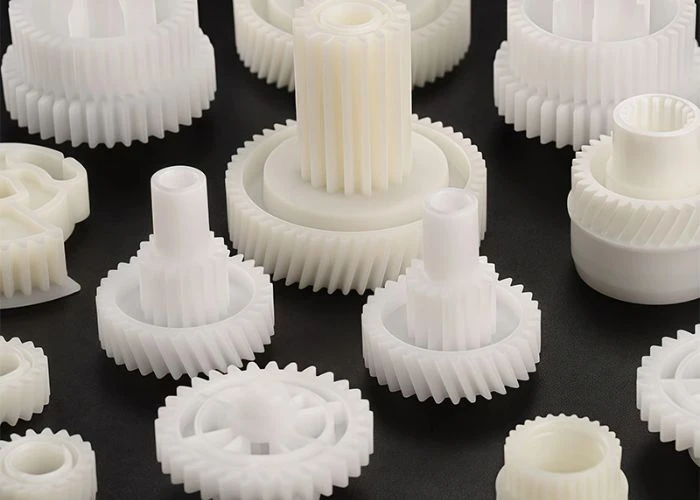

Moving from prototype to production is not simply a quantity increase. As manufacturing expands, engineers must pay greater attention to workflow coordination, process consistency, inspection methods, and delivery planning. A successful prototype proves that a product can be built, while production proves that the same result can be achieved repeatedly and efficiently.
Manufacturing Priorities Change Beyond Prototype Development
As projects move beyond the prototype stage, the goal is no longer limited to producing one successful part. Manufacturing activities must support repeatability, workflow efficiency, finishing requirements, assembly preparation, and final delivery objectives.
The Manufacturing Route as a Complete Product Build
In many plastic prototyping projects, CNC plastic machining is only one part of the overall manufacturing process. A machined plastic housing may still require deburring, sanding, painting, insert installation, inspection, and assembly before it becomes a usable product.
As quantities increase, every operation begins influencing the next stage more directly. Manufacturing efficiency depends not only on how well one process performs, but also on how effectively different processes work together.
Repeated Issues and Their Impact on Production Efficiency
A minor issue may seem insignificant during prototype manufacturing. A small burr, additional sanding step, or local adjustment can often be resolved quickly when only one part is involved.
However, once production expands, the same correction may need to be repeated dozens or hundreds of times. What was once a minor workshop adjustment can become a meaningful production concern.
This is why repeated manual intervention often provides valuable information about where manufacturing improvements may be needed.
Manufacturing Planning Based on Delivery Requirements
Customers do not always require individual plastic parts. Some projects require finished housings, assembled prototypes, cosmetic surfaces, or complete prototype builds ready for evaluation.
As production scales up, manufacturing planning becomes increasingly linked to the required delivery condition. Producing more parts only creates value when those parts can continue efficiently through finishing, inspection, and assembly.
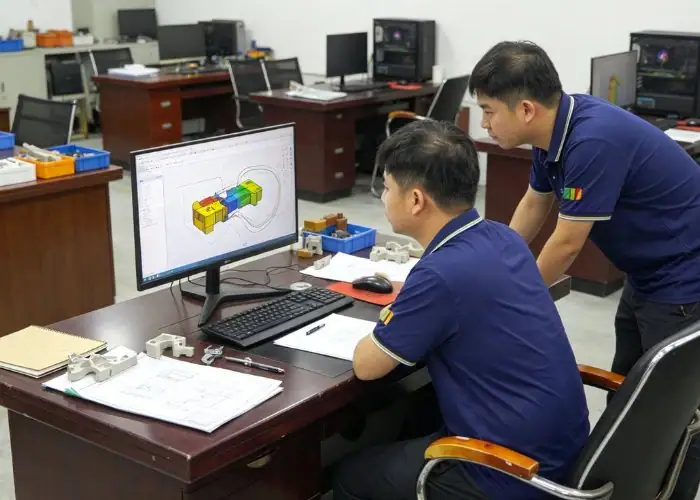
Engineering Changes in a Production Environment
Engineering changes are a normal part of product development. The difference is that once manufacturing begins, every change may affect multiple parts, ongoing operations, and future production plans.
The Importance of Change Timing
The same design revision can have very different consequences depending on when it is introduced. A modification made before production starts is usually easier to implement than one introduced after machining or finishing has already begun.
For production teams, understanding the timing of a change is often just as important as understanding the technical content of the change itself.
Connecting Engineering Updates With Production Status
A revised CAD model is only one part of a manufacturing change. Engineers also need visibility into where parts currently are within the workflow.
Some components may still be raw material, while others may already be machined, painted, inspected, or prepared for assembly. Understanding this status helps determine the most practical implementation strategy.
Production Challenges That Emerge During Scaling
A prototype can demonstrate that a product works. Production must demonstrate that the same result can be achieved repeatedly across multiple units. As quantities increase, consistency, workflow coordination, assembly preparation, and manufacturing control become increasingly important.
Maintaining Part-to-Part Consistency
During prototype development, attention is usually focused on whether one part meets the design requirement. In production, the focus expands to whether the same condition can be maintained across an entire batch.
This applies not only to dimensions, but also to surface quality, finishing appearance, assembly fit, and overall product presentation. Consistency becomes a key factor in determining production readiness.
The Growing Role of Prototype Assembly
As products become more complex, manufacturing success depends on more than producing individual components. Different plastic parts, purchased items, inserts, and hardware often need to work together as a complete assembly.
Prototype assembly helps reveal how components interact before production expands further. It also provides an opportunity to review installation sequences, access requirements, and assembly efficiency.
Surface Finishing as Part of Manufacturing Control
For many plastic products, surface finishing represents an important stage of the manufacturing process rather than a separate cosmetic activity. Painting, silk screening, UV coating, polishing, and texture simulation all influence the final appearance of the product.
As quantities increase, maintaining finishing consistency becomes just as important as maintaining machining consistency. Both contribute to the overall quality of the finished product.
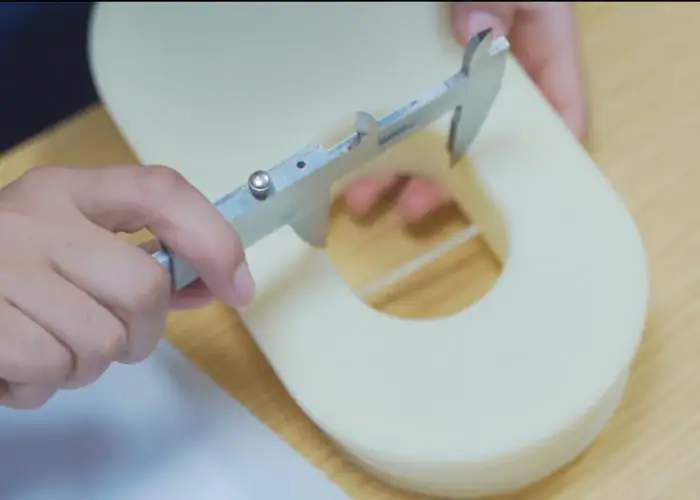
UForProto Support for Prototype-to-Production Projects
Transitioning from prototype development to production often requires multiple manufacturing capabilities working together. At UForProto, we support this process through coordinated plastic prototype manufacturing, finishing, and assembly services.
Integrated Plastic Manufacturing Capabilities
Our services include CNC plastic machining, SLA and SLS 3D printing, vacuum casting, surface finishing, and prototype build support. Different manufacturing methods can be combined according to the requirements of each project.
This approach allows customers to move more efficiently between development stages while maintaining flexibility throughout the product lifecycle.
ISO 9001:2015 Quality Management Support
Repeated manufacturing requires structured quality management. UForProto operates under ISO 9001:2015 standards to support process control, inspection activities, and manufacturing consistency.
This quality framework helps ensure that approved manufacturing requirements remain aligned throughout prototype development, low-volume production, and ongoing manufacturing activities.
Conclusion
Moving from prototype to production requires more than increasing quantity. As manufacturing scales up, engineers must consider workflow coordination, process consistency, assembly readiness, inspection requirements, and delivery objectives. Understanding these changes early helps reduce manufacturing risk and supports a smoother transition from prototype development to stable production.
FAQs
1. What Is the Difference Between a Prototype and Low-Volume Production?
A prototype is usually built to verify a design concept or engineering solution. Low-volume production focuses on manufacturing multiple units repeatedly while maintaining consistency and delivery efficiency.
2. Does Moving to Production Always Require New Manufacturing Processes?
Not necessarily. Many projects continue using CNC plastic machining or other prototype manufacturing methods during low-volume production. The decision depends on quantity, product requirements, and manufacturing efficiency.
3. When Should Manufacturing Workflow Be Reviewed?
Workflow reviews become increasingly important when projects involve multiple operations such as machining, finishing, inspection, and assembly. Repeated delays between stages often indicate opportunities for improvement.
4. How Do Engineering Changes Affect Production?
Engineering changes may influence materials, machining operations, inspection requirements, assembly preparation, and delivery planning. Their impact often depends on where affected parts are within the manufacturing workflow.
5. Why Is Assembly Important Before Production Expands?
Assembly activities help confirm that different components work together correctly. They can also reveal installation, access, or coordination issues before larger quantities enter production.
6. What Information Is Needed for a Prototype-to-Production Review?
I recommend providing CAD files, quantity requirements, material specifications, finishing expectations, assembly scope, and delivery objectives. This information helps determine the most suitable manufacturing approach for the next stage.