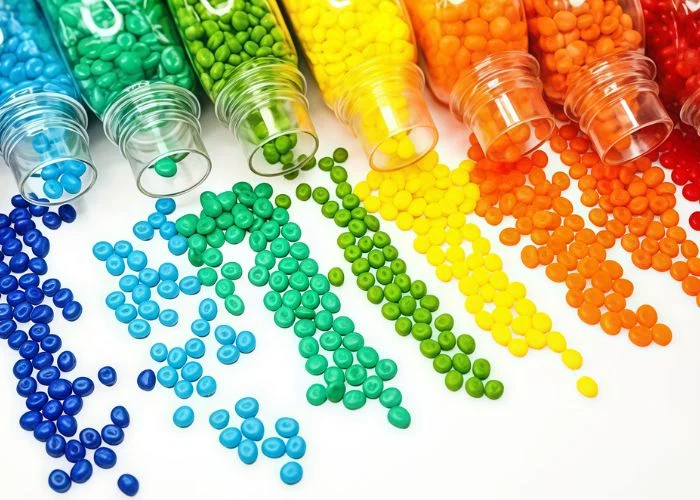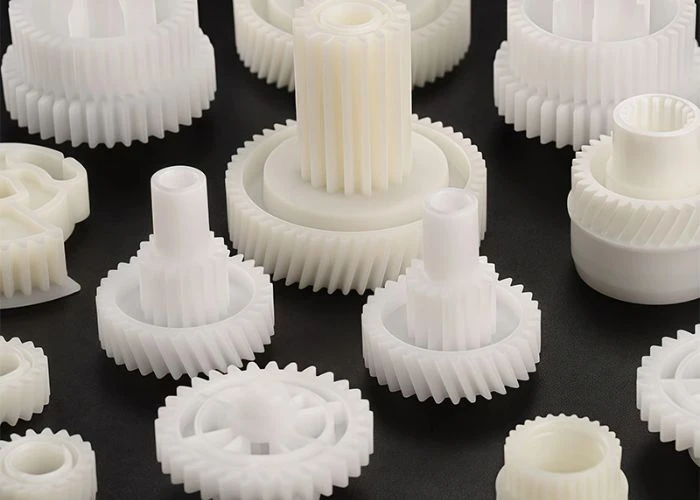

Plastic comes mainly from carbon-rich raw materials such as crude oil and natural gas, although some plastics can also be produced from recycled materials or renewable feedstocks such as sugarcane, corn, and other biomass. These raw materials are converted into chemical building blocks called monomers, which are then joined into long polymer chains. The resulting polymers can be compounded with additives and processed into everything from packaging and household products to medical devices, automotive components, and precision engineering parts.
This guide explains where plastic comes from, what plastic is made of, how plastic is made from petroleum and other feedstocks, and how monomers become finished plastic products.
What Is Plastic?
Plastic is a broad family of materials made primarily from polymers, which are large molecules built from repeating chemical units. Most modern plastics use synthetic polymers derived from fossil-based feedstocks, although polymers can also come from renewable or recycled sources. Their molecular structure can be engineered to provide different combinations of strength, flexibility, heat resistance, chemical resistance, transparency, durability, and other useful properties.
The word “plastic” does not describe one specific material. Polyethylene, polypropylene, PVC, PET, ABS, nylon, acrylic, polycarbonate, POM, and PEEK all belong to the broader plastics family, yet they behave very differently. A flexible polyethylene film, a transparent polycarbonate cover, an acetal gear, and a high-temperature PEEK component may all be plastics, but their molecular structures, processing methods, and engineering performance are not the same.
What Are Polymers?
Polymers are large molecules made from many smaller molecular units linked together into long chains or networks. Natural polymers include cellulose and proteins, while synthetic polymers are manufactured through controlled chemical reactions. In plastic production, manufacturers select specific monomers and polymerization conditions to create polymers with desired mechanical, thermal, chemical, electrical, and processing characteristics.
A simplified relationship is:
Monomers → Polymerization → Polymer Chains → Plastic Resin → Finished Product
The length of the polymer chains, their arrangement, branching, bonding, crystallinity, and chemical composition all influence how the resulting plastic behaves. This molecular structure is one reason two plastics that look almost identical can perform very differently under heat, load, chemicals, or long-term use.
Is Polymer the Same as Plastic?
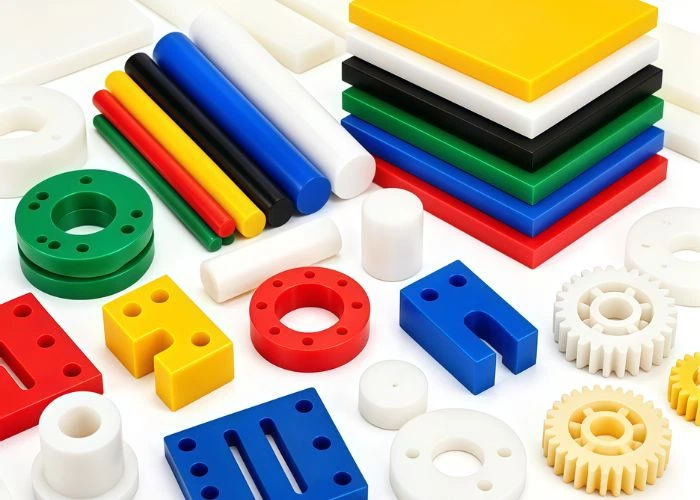
A polymer is not automatically a plastic. Polymer is a broader chemical term describing large molecules made from repeating units, while plastic generally refers to a polymer-based material that has been formulated and processed into a usable product.
Natural cellulose, proteins, and DNA are polymers, but they are not normally classified as plastics. Commercial plastics may also contain much more than their base polymer. Pigments, stabilizers, fillers, reinforcing fibers, plasticizers, flame retardants, impact modifiers, and processing aids can be added to change appearance, manufacturability, strength, stiffness, durability, or other properties.
Where Does Plastic Come From?
Plastic comes primarily from fossil-based feedstocks, especially crude oil and natural gas. Refineries and petrochemical plants convert these resources into hydrocarbon feedstocks and chemical building blocks such as ethylene and propylene, which can then be polymerized into plastic resins. Plastic can also come from recycled polymers and renewable biological feedstocks, so not every plastic product has exactly the same material origin.
When asking “plastic, where does it come from?” it helps to distinguish the original resource from the finished material. Crude oil and natural gas do not contain ready-made plastic. They contain hydrocarbons that can be separated and chemically transformed into smaller molecules suitable for polymer production.
The basic pathway can be represented as:
Crude Oil / Natural Gas → Refining & Processing → Petrochemical Feedstock → Monomer → Polymer → Plastic Resin → Product Manufacturing → Finished Plastic Product
Does Plastic Come From Oil?
Yes, many conventional plastics use chemical feedstocks derived from crude oil. However, saying that all plastic is made directly from oil is inaccurate because natural gas is another important fossil feedstock, while recycled plastic and renewable biological resources can also supply material for certain polymers.
Crude oil contains a complex mixture of hydrocarbons rather than plastic itself. Refining separates this mixture into fractions used for fuels, lubricants, chemicals, and petrochemical production. Some fractions, particularly naphtha in many production systems, can be further processed to produce chemical building blocks such as ethylene and propylene. These molecules are important starting points for widely used plastics including polyethylene and polypropylene.
How Does Plastic Come From Petroleum?
Plastic is made from petroleum by refining crude oil, processing suitable hydrocarbon fractions into smaller chemical molecules, producing monomers, and then chemically joining those monomers into polymers. One important petrochemical operation is cracking, in which larger hydrocarbon molecules are broken into smaller molecules that can become useful chemical feedstocks.
For example:
Petroleum → Naphtha → Cracking → Ethylene → Polyethylene
Petroleum → Naphtha → Cracking → Propylene → Polypropylene
Other plastics follow more complex chemical routes. PET, PVC, nylon, ABS, polycarbonate, and engineering plastics may require different monomers, intermediate chemicals, catalysts, and polymerization processes. Therefore, “how plastic is made from petroleum” depends partly on which plastic material is being produced.
Can Plastic Come From Plants or Other Sources?
Yes. Some plastics can be produced partly or entirely from renewable biological resources such as sugarcane, corn, cellulose, vegetable oils, and other forms of biomass. For example, ethanol produced from sugarcane can be converted into ethylene and then polymerized into polyethylene.
However, bio-based and biodegradable do not mean the same thing. A bio-based polyethylene may have essentially the same polymer structure as fossil-derived polyethylene and may not readily biodegrade. Conversely, some biodegradable plastics can contain fossil-derived feedstocks. Feedstock origin and end-of-life behavior therefore need to be evaluated separately.
What Is Plastic Made Of?
Plastic is made primarily from polymers composed of carbon-based molecular structures, together with additives selected to control processing and final performance. Conventional plastic polymers commonly originate from petrochemical feedstocks derived from crude oil or natural gas, while recycled and renewable feedstocks can also be used for certain materials.
Understanding what plastic is made of requires distinguishing the base polymer from the complete commercial formulation. A finished plastic material may contain polymer resin plus pigments, stabilizers, fillers, reinforcing fibers, plasticizers, impact modifiers, flame retardants, or other additives. The exact composition depends on what the material must do during manufacturing and throughout its service life.
Crude Oil and Natural Gas
Crude oil and natural gas are major starting resources for conventional plastic production because they contain hydrocarbons that can be transformed into useful petrochemical building blocks. Crude oil is separated in refineries into different fractions, while natural gas processing can provide feedstocks such as ethane and propane.
These feedstocks can then be converted into molecules such as ethylene and propylene. Ethylene is the starting monomer for polyethylene, while propylene is used to produce polypropylene. Other plastics require different chemical precursors and reaction routes.
Hydrocarbon Feedstocks
Hydrocarbon feedstocks provide much of the carbon and hydrogen used to create conventional plastic polymers.
| Feedstock or Intermediate | Chemical Building Block | Related Plastic |
| Ethane | Ethylene | Polyethylene |
| Propane | Propylene | Polypropylene |
| Naphtha | Multiple petrochemicals | PE, PP, and other plastics |
| Ethylene | Ethylene-based monomer | PE |
| Propylene | Propylene-based monomer | PP |
| Ethylene Glycol + Terephthalic Acid | PET precursors | PET |
| Vinyl Chloride | Vinyl chloride monomer | PVC |
| Styrene | Styrene monomer | Polystyrene |
This explains why there is no single chemical answer to “what is plastic made of?” Different types of plastic use different chemical building blocks, polymer structures, additives, and production methods.
Additives Used in Plastic Materials
The base polymer determines much of a plastic’s fundamental behavior, but additives can significantly modify its performance. Manufacturers select these ingredients according to processing requirements, expected environmental exposure, appearance, cost, and engineering performance.
Common additives include:
- Plasticizers to increase flexibility
- UV stabilizers to improve resistance to sunlight
- Antioxidants to reduce oxidative degradation
- Pigments and dyes to control appearance
- Flame retardants to modify burning behavior
- Glass or carbon fibers to increase strength and stiffness
- Mineral fillers to modify stiffness, stability, processing, or cost
- Impact modifiers to improve toughness
- Lubricants and processing aids to improve manufacturing behavior
Two materials based on the same polymer can therefore perform very differently. For engineering applications, specifying only “nylon,” “ABS,” or “PEEK” may not be enough when grade-specific strength, temperature resistance, dimensional stability, or regulatory performance matters.
How Is Plastic Made?
Plastic is made by converting raw fossil-based or renewable feedstocks into monomers, chemically joining those monomers into polymers, modifying the polymers through compounding, and then processing the resulting material into finished products. Industrial plastic production therefore combines raw-material processing, petrochemistry, polymerization, material formulation, and product manufacturing.
The exact process depends on the polymer being produced, but the general plastic production chain follows a recognizable sequence:
Raw Material → Refining → Chemical Feedstock → Monomer → Polymerization → Resin → Compounding → Pellets or Stock → Product Manufacturing
Extracting and Refining Raw Materials
The first stage provides the chemical feedstocks required for polymer production. For fossil-based plastics, crude oil or natural gas is extracted and transported to processing facilities. Crude oil is separated into useful fractions, while natural gas processing isolates hydrocarbons such as ethane and propane.
The purpose at this stage is not to manufacture plastic directly. Instead, it is to create sufficiently controlled hydrocarbon streams that can be processed into petrochemical building blocks.
Producing Monomers
Monomers are relatively small molecules capable of chemically joining together to form polymers. Petrochemical processes such as steam cracking can convert hydrocarbon feedstocks into important molecules including ethylene and propylene.
Other polymers require additional chemical reactions to produce their monomers. The selected monomer is critical because its molecular structure becomes part of the repeating structure of the finished polymer and strongly influences the material’s properties.
Polymerization
Polymerization connects monomers into much larger polymer molecules. For polyethylene, many ethylene molecules are chemically joined into polyethylene chains. Polypropylene follows a similar general concept using propylene as its starting monomer.
The basic principle is:
Monomers → Controlled Chemical Reaction → Long Polymer Chains
Industrial polymerization requires careful control of temperature, pressure, catalysts, reaction time, and other conditions. Changes in these parameters can affect molecular weight, branching, crystallinity, density, stiffness, toughness, melt behavior, and other characteristics.
Compounding and Adding Additives
After polymerization, the base polymer can be compounded with additional ingredients to create a commercial plastic grade. This stage allows manufacturers to adjust the material for a particular processing method or final application.
For example, adding glass fiber to an engineering thermoplastic can significantly increase stiffness and strength. However, reinforcement may also change shrinkage, anisotropy, surface quality, machining behavior, and tool wear. Material modification therefore involves tradeoffs rather than automatically improving every property.
Plastic Pellets and Raw Material Forms
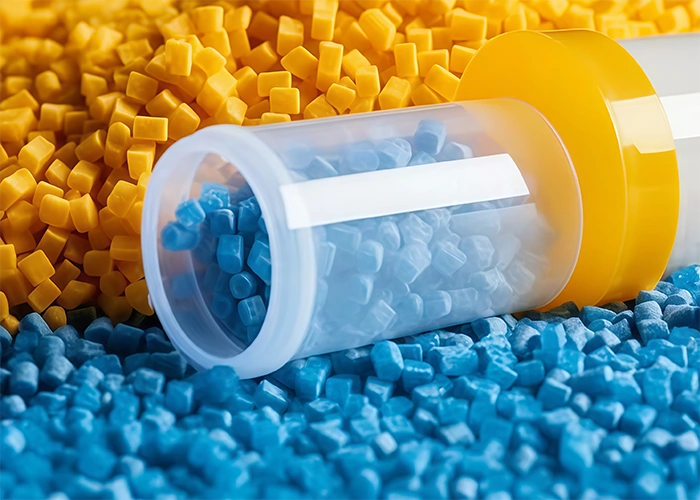
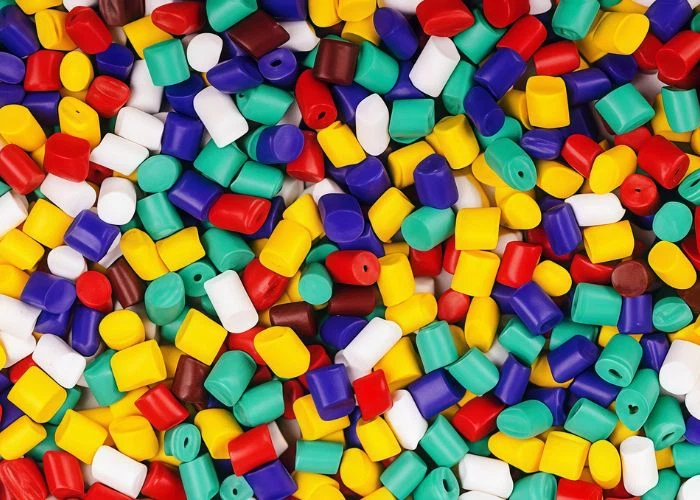
Many thermoplastics are converted into small pellets after polymerization and compounding. Pellets are convenient because they can be transported, stored, dried, measured, blended, and fed consistently into injection molding or extrusion equipment.
Plastic raw materials can also be supplied as powders, granules, liquid resins, sheets, rods, plates, blocks, films, and preforms. The required form depends on both the polymer and the manufacturing process. CNC machining, for example, commonly begins with engineering plastic sheet, rod, plate, or block rather than pellets.
Forming Plastic Into Finished Products
Once the plastic material has been prepared, it must be converted into the required product geometry. Different manufacturing processes are suitable for different production quantities, geometries, tolerances, material types, surface requirements, and tooling budgets.
| Manufacturing Process | How It Works | Typical Applications |
| Injection Molding | Molten plastic is injected into a mold | Housings, clips, consumer products |
| Extrusion | Plastic is pushed continuously through a die | Tubes, profiles, sheets |
| Blow Molding | Heated plastic is expanded inside a mold | Bottles, hollow containers |
| Thermoforming | Heated sheet is formed over a tool | Trays, covers, packaging |
| Rotational Molding | Resin coats the inside of a rotating heated mold | Tanks, large hollow products |
| CNC Machining | Material is removed from solid plastic stock | Prototypes, precision parts |
| 3D Printing | Material is built layer by layer | Prototypes, complex low-volume parts |
Injection molding is generally attractive when high production volumes can justify mold investment, while CNC machining and 3D printing are often useful during prototyping and low-volume development because they can produce physical parts without full production tooling.
What Is the Chemistry Behind Plastic Production?
The chemistry behind plastic production is based on converting relatively small molecules called monomers into much larger polymer molecules through controlled chemical reactions. The composition, molecular weight, chain arrangement, branching, crystallinity, crosslinking, and additives of those polymers influence how the resulting plastic behaves during manufacturing and in service.
This molecular structure explains why plastics cannot be treated as interchangeable materials. A polymer designed for flexibility and low-temperature toughness may perform very differently from one designed for high stiffness, wear resistance, chemical resistance, or elevated-temperature service.
Monomers vs. Polymers
A monomer is a relatively small molecule capable of participating in polymer formation, while a polymer contains many repeating molecular units linked together.
A simple example is:
Ethylene → Polymerization → Polyethylene
The transformation dramatically changes material behavior. Ethylene is a small gaseous molecule under normal conditions, while polyethylene is a solid polymer family used in films, containers, piping, electrical insulation, and many other products.
Addition Polymerization
Addition polymerization joins suitable monomers into long polymer chains without producing a small-molecule by-product in the basic chain-forming reaction. Polyethylene, polypropylene, polystyrene, and PVC are commonly associated with chain-growth polymerization processes.
The exact molecular architecture can be influenced by catalysts and processing conditions. Manufacturers can therefore produce different grades within the same polymer family, providing different combinations of density, stiffness, toughness, flow behavior, and other properties.
Condensation Polymerization
Condensation or step-growth polymerization forms larger polymer molecules through reactions between molecules containing suitable functional groups. Polyesters and polyamides are important examples of polymer families produced through step-growth chemistry.
PET and many nylon materials are associated with these reaction routes. Their chemistry differs from the relatively direct ethylene-to-polyethylene route, but the objective is similar: create controlled high-molecular-weight materials with useful physical and chemical properties.
How Polymer Structure Changes Plastic Properties
The performance of a plastic material is closely connected to its molecular structure.
| Structural Factor | Potential Effect on Plastic |
| Molecular Weight | Strength, toughness, and melt behavior |
| Chain Branching | Density, flexibility, and crystallinity |
| Crystallinity | Stiffness, chemical resistance, and dimensional behavior |
| Crosslinking | Heat resistance and rigidity |
| Side Groups | Chemical, thermal, and mechanical behavior |
| Reinforcement | Strength, stiffness, and wear behavior |
| Additives | UV, impact, flame, color, and processing performance |
For engineers and product designers, this is why material selection should normally be based on a specific polymer and grade rather than appearance or a generic material name.
What Are the Main Types of Plastic?
The main types of plastic can be divided broadly into thermoplastics and thermosetting plastics. Thermoplastics generally soften when heated and can be processed again, while thermosetting plastics form permanently crosslinked structures during curing and cannot simply be remelted into their original processing state.
Within these two broad categories are many polymer families, blends, reinforced grades, and specialty materials. Selecting between them requires considering more than strength alone; temperature, chemical exposure, impact, dimensional stability, appearance, electrical properties, production process, service life, and cost can all influence the decision.
Thermoplastics
Thermoplastics soften when sufficiently heated and become solid again when cooled. This behavior allows many thermoplastics to be processed through injection molding, extrusion, thermoforming, welding, and other heat-based manufacturing processes.
Common thermoplastics include:
- Polyethylene (PE)
- Polypropylene (PP)
- Polyvinyl chloride (PVC)
- Polyethylene terephthalate (PET)
- Acrylonitrile butadiene styrene (ABS)
- Polycarbonate (PC)
- Polyamide (Nylon)
- Polyoxymethylene (POM/Acetal)
- Polymethyl methacrylate (PMMA)
- Polyether ether ketone (PEEK)
Engineering thermoplastics such as POM, nylon, polycarbonate, and PEEK are also commonly available as solid stock for CNC machining.
Thermosetting Plastics
Thermosetting plastics undergo a curing reaction that creates a permanently crosslinked molecular network. Once cured, they generally cannot be melted and reshaped in the same way as thermoplastics. Excessive heating tends to cause degradation rather than normal remelting.
Epoxy, phenolic, melamine, and certain polyester resins are familiar examples. Their heat resistance, electrical properties, dimensional stability, adhesion, or structural characteristics can make them useful for composites, coatings, adhesives, electrical components, tooling, and industrial applications.
Common Plastic Materials and Their Uses
| Plastic | Typical Characteristics | Common Uses |
| PE | Lightweight, chemical resistant | Films, containers, piping |
| PP | Lightweight, fatigue resistant | Packaging, living hinges, automotive parts |
| PVC | Durable, chemical resistant | Pipes, cable insulation |
| PET | Strong, transparent, good barrier properties | Bottles, packaging, fibers |
| ABS | Tough and easy to process | Housings, prototypes, consumer products |
| PC | High impact resistance, transparent grades | Guards, lenses, housings |
| POM | Low friction, good dimensional stability | Gears, bushings, precision parts |
| Nylon | Strong and wear resistant | Gears, bearings, mechanical parts |
| PMMA | High optical clarity | Displays, covers, transparent parts |
| PEEK | High heat and chemical resistance | Medical, aerospace, industrial parts |
No plastic is universally best. The correct choice depends on the environment in which the component must function and how it will be manufactured.
How Is Plastic Processed?
Plastic is processed into finished parts through methods such as CNC machining, 3D printing, vacuum casting, injection molding, extrusion, blow molding, and thermoforming. The right plastic processing method depends on the material, part geometry, tolerance, surface requirements, production quantity, tooling cost, and whether the product is being developed as a prototype or manufactured at scale.
Plastic processing usually begins after the polymer has already been produced and supplied as sheet, rod, block, pellets, powder, liquid resin, or another usable material form. Different processes shape these materials in different ways: CNC machining removes material from solid stock, 3D printing builds geometry layer by layer, vacuum casting reproduces parts from silicone molds, while injection molding and other forming processes reshape plastic using heat and tooling.
| Processing Method | How It Works | Best Suited For | Main Consideration |
| CNC Machining | Cutting tools remove material from solid plastic stock | Precision prototypes, functional parts, low-volume production | Material behavior affects tolerance and surface finish |
| 3D Printing | Plastic is built layer by layer from digital models | Rapid prototypes and complex geometries | Properties depend on process and build direction |
| Vacuum Casting | Resin is cast into silicone molds under vacuum | Appearance prototypes and low-volume copies | Silicone molds have limited production life |
| Injection Molding | Molten plastic is injected into a precision mold | Medium- to high-volume production | Requires initial mold investment |
| Extrusion | Heated plastic is continuously pushed through a die | Tubes, profiles, films, and sheets | Mainly suited to continuous profiles |
| Blow Molding | Heated plastic is expanded inside a mold | Bottles, containers, and hollow products | Primarily suited to hollow geometry |
| Thermoforming | Heated plastic sheet is formed over or into a mold | Trays, covers, panels, and packaging | Wall thickness can vary during forming |
CNC Plastic Machining
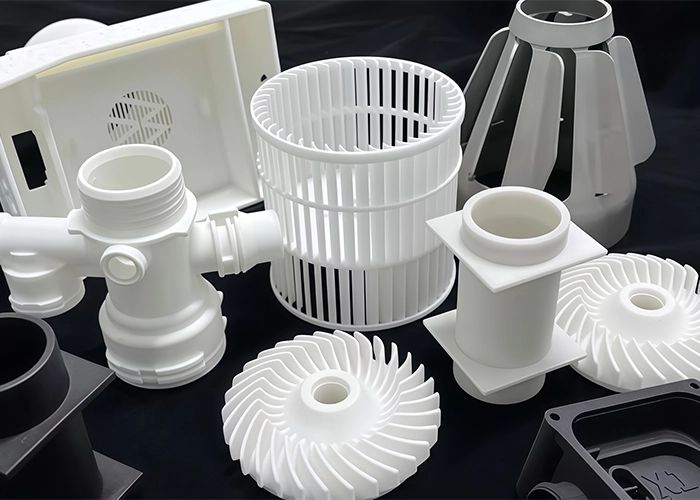
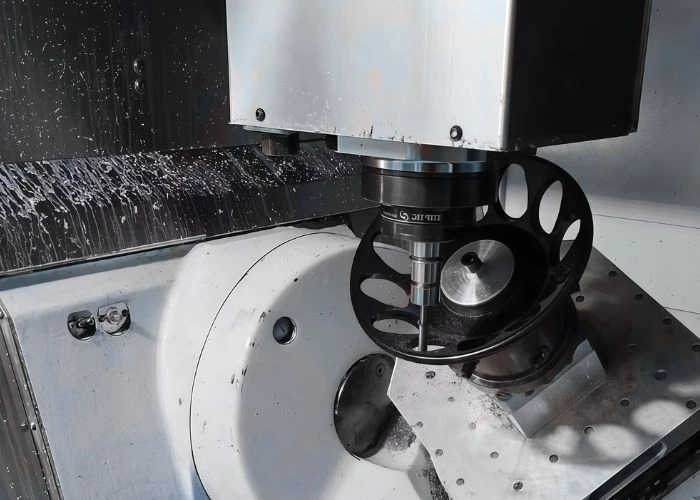
CNC plastic machining produces components by removing material from solid plastic sheet, rod, plate, or block with computer-controlled cutting tools. Because it does not require a dedicated production mold, CNC machining is particularly suitable for functional prototypes, precision components, engineering validation, custom parts, and low-volume production where design changes may still be required.
A wide range of engineering plastics can be CNC machined, including ABS, POM, nylon, PMMA, polycarbonate, PTFE, PVC, PE, PP, and high-performance materials such as PEEK. However, plastics cannot simply be machined using the same assumptions applied to metals. Lower thermal conductivity, thermal expansion, material softness, internal stress, moisture absorption, chip behavior, and sensitivity to clamping pressure can all affect dimensional accuracy and surface quality.
For prototype development, CNC machining offers another important advantage: engineers can test components made from actual engineering-grade plastic stock before investing in production tooling. This makes it useful for evaluating assembly fit, threads, sealing surfaces, mechanical performance, dimensional stability, transparency, and other functional requirements. Proper tool geometry, cutting parameters, workholding, cooling, and inspection are especially important when machining thin walls, tight tolerances, or cosmetic surfaces.
3D Printing
3D printing creates plastic parts layer by layer directly from digital models. It is particularly useful for rapid design iteration, concept models, complex internal geometries, and prototypes that need to be produced quickly without dedicated tooling.
Common technologies include FDM, SLA, and SLS, each offering different combinations of material availability, accuracy, surface finish, mechanical performance, and production speed. Compared with CNC machining, 3D printing can produce some geometries that are difficult to machine and may require less material removal.
However, layer orientation, support structures, surface texture, dimensional accuracy, and differences between printing materials and production-grade plastics must be considered. CNC machining may therefore be more appropriate when the prototype needs properties closer to the intended engineering material, while 3D printing can be more efficient for early geometry and concept validation.
Vacuum Casting
Vacuum casting uses a master model to create a flexible silicone mold, after which polyurethane or similar casting resin is introduced under vacuum. It is commonly used to reproduce small batches of prototypes without investing in hard production tooling.
The process can reproduce fine surface details and is useful for housings, covers, buttons, transparent components, consumer-product prototypes, and parts requiring different colors or rubber-like characteristics.
Casting resins can simulate the appearance and selected properties of production plastics, but they are not always chemically or mechanically identical to materials such as ABS, PC, PP, or other thermoplastics. Vacuum casting is therefore commonly used as a bridge between individual prototypes and production tooling.
Injection Molding
Injection molding heats thermoplastic material until it can flow and then injects it under pressure into a mold cavity. After cooling and solidification, the mold opens and the finished component is ejected.
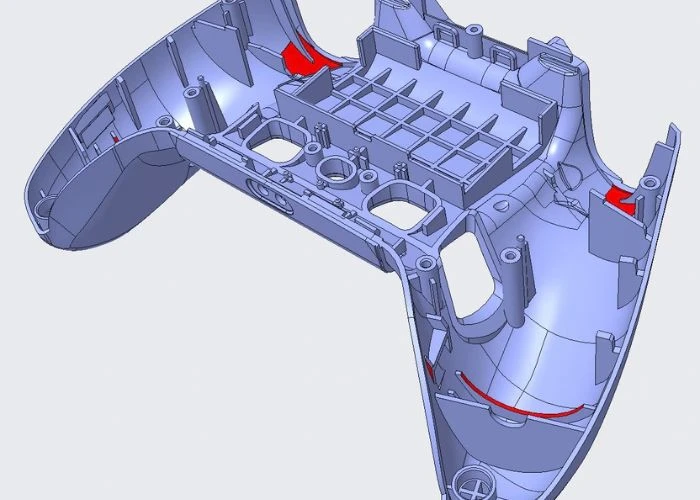
The process can efficiently manufacture complex plastic parts with features such as ribs, bosses, clips, textures, and integrated assembly details. Once stable tooling is available, short cycle times and repeatable production make injection molding particularly suitable for medium- and high-volume manufacturing.
Its main consideration is tooling. Mold design and manufacturing require additional investment and lead time, so factors such as draft angles, wall thickness, undercuts, shrinkage, gate location, parting lines, and ejector placement should be considered before the design is finalized.
Extrusion, Blow Molding, and Thermoforming
Extrusion, blow molding, and thermoforming are widely used when the product geometry is better suited to continuous profiles, hollow products, or formed plastic sheets rather than precision-machined or individually molded components.
Extrusion continuously pushes heated plastic through a shaped die and is commonly used for tubing, profiles, sheets, and films. Blow molding expands heated plastic inside a mold and is widely used for bottles, containers, tanks, and other hollow products. Thermoforming heats plastic sheet until it becomes formable and then shapes it against a mold, making it suitable for trays, packaging, covers, panels, and larger thin-wall components.
These processes can be highly efficient when matched to the correct geometry and production volume, but each introduces its own design constraints related to wall thickness, tooling, material flow, shrinkage, and achievable tolerances.
How to Choose a Plastic Processing Method?
Choosing a plastic processing method requires balancing material properties, geometry, tolerance, surface finish, production quantity, development stage, lead time, and tooling investment rather than comparing unit price alone.
A practical selection path is:
Plastic Material → Part Geometry → Tolerance → Surface Finish → Quantity → Lead Time → Tooling Budget → Processing Method
CNC machining is particularly useful for functional prototypes, precision plastic components, and low-volume parts where tooling investment is difficult to justify. 3D printing is well suited to rapid geometry validation, while vacuum casting can reproduce small batches of similar prototypes. Once the design becomes stable and production quantities increase, injection molding or another high-volume forming process may become more economical.
Selecting the manufacturing process early also helps engineers design around realistic production constraints. Tool access, internal corners, wall thickness, draft angles, undercuts, support structures, shrinkage, assembly features, and tolerance requirements can all change depending on how the final plastic component will be manufactured.
How Did Modern Plastics Develop?
Modern plastics developed from early attempts to modify natural polymers into fully synthetic polymers and eventually into a large industrial family of commodity and engineering materials. Important milestones included early cellulose-based materials, Bakelite in 1907, rapid polymer development during the early 20th century, and major expansion of plastic production during and after World War II.
The development of plastic was driven partly by the need for materials that could replace scarce or expensive natural resources while offering predictable properties and scalable manufacturing. As polymer chemistry improved, plastics moved beyond simply imitating materials such as ivory, horn, or shellac and became engineering materials in their own right.
The First Synthetic Plastics
In the 19th century, John Wesley Hyatt developed a cellulose-based material using cellulose derived from cotton fiber and camphor. The material could imitate natural substances such as ivory and demonstrated that manufactured polymeric materials could reduce dependence on certain limited natural resources.
A major milestone followed in 1907 when Leo Baekeland developed Bakelite, widely recognized as the first fully synthetic plastic. Its electrical insulation, heat resistance, durability, and moldability made it useful for electrical and industrial products and demonstrated the commercial potential of fully synthetic polymers.
The Development of New Plastic Materials
The success of early synthetic materials encouraged researchers and chemical companies to develop polymers with increasingly specialized properties. Nylon, polyethylene, acrylic, polystyrene, PVC, and many other materials became commercially important during the 20th century.
This changed the role of plastics. Instead of simply replacing natural materials, polymer chemistry allowed manufacturers to develop materials specifically for electrical insulation, transparency, chemical resistance, flexibility, mechanical strength, wear resistance, or mass production.
How Plastics Became Mass-Produced Materials
Demand during World War II accelerated the development and production of synthetic materials because many traditional resources were limited or required for other uses. Materials such as nylon and acrylics became important in military and industrial applications.
After the war, expanded manufacturing capacity and lower production costs helped plastics move rapidly into consumer products, transportation, electronics, construction, medical products, and packaging.
Today, plastic covers an enormous performance range, from inexpensive disposable packaging polymers to advanced engineering thermoplastics used in precision medical, aerospace, electronics, automation, and industrial applications.
Where Do Microplastics Come From?
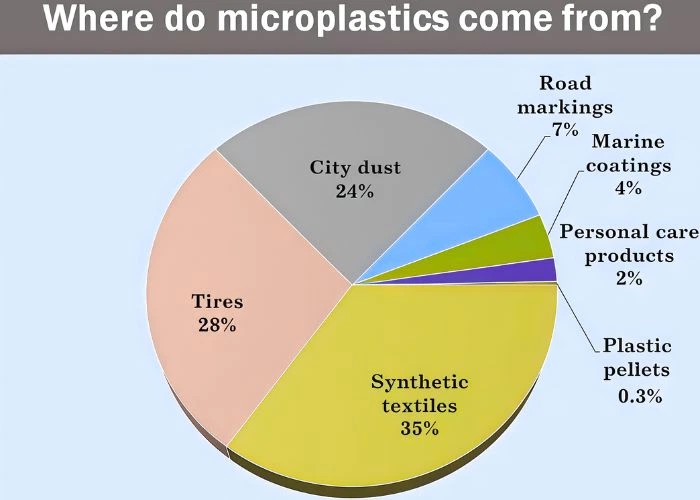
Microplastics come from both small plastic particles released directly into the environment and the fragmentation or wear of larger plastic products. Common sources include synthetic textiles, tire wear, urban dust, road markings, marine coatings, plastic pellets, certain personal care products, and larger plastic waste that breaks into progressively smaller particles. Microplastics are generally defined as plastic particles smaller than 5 mm.
Microplastic formation shows that the plastic life cycle can continue long after a product has been manufactured and used. Washing, mechanical abrasion, road friction, sunlight, heat, waves, weathering, and normal product wear can release or create small polymer particles that may enter water, soil, sediments, or other environments.
Primary vs. Secondary Microplastics
Primary microplastics are small plastic particles that enter the environment already at a very small size or are generated directly through specific uses and wear processes. Plastic pellets and some intentionally manufactured microbeads are examples, while fibers released from synthetic textiles and particles generated by tire wear are also important sources of small plastic particles.
Secondary microplastics form when larger plastic products fragment. Bottles, packaging, films, containers, ropes, fishing equipment, and other products can gradually break into smaller pieces through ultraviolet exposure, abrasion, waves, heat, and weathering.
Major Sources of Microplastics
Different sources contribute microplastics through different mechanisms.
| Source | How Microplastics Are Generated |
| Synthetic Textiles | Fibers released during wear and washing |
| Tires | Friction and abrasion against road surfaces |
| City Dust | Wear and weathering of synthetic materials |
| Road Markings | Traffic abrasion and environmental exposure |
| Marine Coatings | Coating wear, maintenance, and weathering |
| Personal Care Products | Certain intentionally added plastic particles |
| Plastic Pellets | Loss during production, transport, or processing |
| Larger Plastic Products | Fragmentation through sunlight, abrasion, and weathering |
The relative importance of each source varies by location, activity, infrastructure, and measurement method, so one percentage breakdown should not automatically be applied to every country or environmental system.
Why Does It Matter Where Plastic Comes From?
Where plastic comes from matters because its feedstock, polymer chemistry, additives, production process, service life, and end-of-life pathway affect resource use, manufacturing performance, recyclability, environmental impact, and product design decisions. Understanding the complete material life cycle helps engineers select plastics according to both functional requirements and long-term use.
Plastic should not be evaluated as one single environmental or engineering category. A disposable wrapper, reusable medical housing, industrial bearing, automotive component, and high-performance aerospace part have very different functions, expected lifetimes, material requirements, and end-of-life challenges.
Fossil Resources and Plastic Production
Conventional plastic production remains closely connected to fossil-resource supply chains because crude oil and natural gas provide many of the chemical feedstocks used to manufacture polymers.
However, plastic should not simply be described as “solid oil.” Refining, cracking, chemical synthesis, polymerization, compounding, and product manufacturing occur between the original fossil resource and the finished component.
Understanding these stages also makes it easier to compare conventional virgin resin with recycled feedstocks and bio-based alternatives.
Plastic Waste and Environmental Concerns
Plastic’s durability creates both engineering value and environmental challenges. Resistance to moisture, corrosion, chemicals, and biological degradation can make a plastic component reliable for years, but the same characteristics can allow discarded material to persist when it is not properly collected, reused, recycled, or disposed of.
The environmental impact therefore depends on more than whether a product contains plastic. Product lifetime, quantity, polymer type, additives, collection systems, recycling infrastructure, disposal practices, and the probability of environmental leakage all matter.
Product Design, Reuse, and Recycling
Product design can influence how efficiently plastic is used and what happens when the product reaches the end of its service life.
Important design considerations include:
- Select a polymer according to actual performance requirements
- Match durability to the intended service life
- Avoid unnecessary material combinations where practical
- Consider repair and component replacement
- Reduce unnecessary material without compromising function
- Consider disassembly during product development
- Evaluate realistic recycling options for the selected polymer
- Use durable engineering plastics when longer service life creates meaningful value
Using less plastic is not automatically the best engineering decision if it causes premature failure. The more useful objective is to achieve the required performance and lifetime with an appropriate material and manufacturing strategy.
What Is the Future of Plastic?
The future of plastic is likely to combine conventional polymers with greater use of recycled feedstocks, bio-based raw materials, improved recycling technologies, longer-life product design, and more deliberate material selection. Plastic is unlikely to disappear because its low weight, corrosion resistance, electrical insulation, processability, and wide range of engineering properties remain valuable across modern industries.
The direction of development is therefore not simply toward replacing all plastics with one alternative material. Different applications require different combinations of cost, performance, manufacturability, safety, durability, and environmental characteristics.
Recycled Plastics
Recycled plastics use previously manufactured polymer materials as a feedstock rather than relying entirely on virgin resin. Mechanical recycling commonly involves sorting, cleaning, shredding, melting, filtering, and reforming suitable thermoplastics, while chemical recycling approaches attempt to convert polymers into smaller chemical components that can potentially be reused as feedstocks.
Recycled material performance depends on polymer type, contamination, additives, thermal history, sorting quality, and the recycling process. A recycled resin should therefore be evaluated against the actual mechanical, cosmetic, dimensional, chemical, and regulatory requirements of the application rather than assumed to perform identically to every virgin grade.
Bio-Based Plastics
Bio-based plastics use renewable biological resources as part or all of their original feedstock. Sugarcane, corn, cellulose, vegetable oils, and other biomass sources can provide chemical building blocks for certain polymers.
However, bio-based does not automatically mean biodegradable. A bio-based polymer can be chemically equivalent to a fossil-derived version and behave similarly after disposal. Material origin, recyclability, biodegradability, and compostability are separate characteristics and should not be used interchangeably.
Designing Plastic Products for Longer Life
Designing plastic products for longer service life can reduce replacement frequency when durability is appropriate for the application. Engineers can improve longevity through suitable polymer selection, controlled stress concentrations, appropriate wall thickness, chemical compatibility, UV protection, wear management, realistic temperature limits, and proper mechanical design.
During product development, prototypes can be particularly useful for evaluating fit, function, appearance, assembly, material behavior, and manufacturability before committing to high-volume production tooling.
Reducing Plastic Waste Through Better Material Choices
Better material selection means matching the plastic to the real engineering requirements rather than automatically selecting the cheapest, strongest, or most familiar polymer.
A practical selection process can follow:
Application → Load → Temperature → Chemicals → Appearance → Tolerance → Manufacturing Process → Service Life → End-of-Life
For example, POM can be useful for low-friction precision mechanisms, polycarbonate for impact-resistant transparent parts, ABS for housings and prototypes, PMMA for optical components, and PEEK for applications requiring unusually high thermal and chemical performance.
Correct material selection can improve product reliability, manufacturability, and service life while reducing unnecessary overengineering and premature replacement.
Conclusion
Plastic comes mainly from carbon-rich feedstocks that are converted into monomers, polymerized into long molecular chains, compounded into usable material grades, and processed into finished products. Although crude oil and natural gas remain major sources for conventional plastics, recycled and renewable feedstocks are increasingly important. Understanding where plastic comes from helps connect raw-material origin with polymer chemistry, plastic production, material properties, manufacturing methods, product durability, and end-of-life considerations.
At UForProto, we support plastic product development through CNC plastic prototyping, 3D printing, vacuum casting, precision assembly, surface finishing, and low-volume manufacturing. By matching plastic materials and manufacturing methods to functional requirements, tolerances, appearance, testing needs, and production goals, we help customers evaluate designs, verify performance, and move from early prototypes toward reliable low-volume plastic components.
FAQs
Who Is The Largest Producer Of Plastic?
China is widely identified as the world’s largest plastics-producing country, although its exact share depends on the year and whether the dataset measures primary polymer production, plastics conversion, or finished plastic products. Global plastics production has expanded substantially over recent decades, so country comparisons should always use the same production definition and reporting period. For SEO or engineering research, total polymer output is generally more useful than comparing unrelated categories such as finished plastic goods.
Which Country Is The Largest Consumer Of Plastic?
China ranks among the largest plastic-consuming countries by total volume because of its population and manufacturing economy, while the United States has historically recorded much higher plastic use per person. OECD data for 2019 estimated China at about 20% of global plastics use and the United States at roughly 18%. However, total national consumption and per-capita consumption measure different things, so the “largest consumer” depends on which metric and reporting year are being compared.
Does Plastic Come From Trees?
Yes, some plastic materials can originate partly from trees or other plant resources, but most conventional plastics have historically relied on fossil-based feedstocks. Cellulose obtained from wood and other plants is a natural polymer and can be chemically modified into useful polymeric materials. Modern bio-based plastics can also use renewable biomass as a feedstock. However, a plant-derived plastic is not automatically biodegradable, recyclable, or environmentally preferable for every application.
What Percentage Of Plastic Is Made From Oil?
There is no single reliable global percentage for plastic made specifically from crude oil because conventional plastics can use feedstocks from both crude oil and natural gas, while recycled and renewable sources also contribute to plastic production. Many virgin plastics remain fossil-based, but treating all fossil-derived plastic as crude-oil-derived would be inaccurate. Any precise percentage should therefore specify the year, region, polymer category, and whether natural-gas feedstocks are included.
Is Polymer Plastic?
No, a polymer is not necessarily plastic. A polymer is a large molecule made from repeating molecular units, and polymers can occur naturally or be manufactured synthetically. Cellulose and proteins are natural polymers, for example, but they are not normally called plastics. Plastics are generally formulated polymer-based materials designed for manufacturing into useful products and may include fillers, fibers, pigments, stabilizers, plasticizers, and other additives in addition to the base polymer.