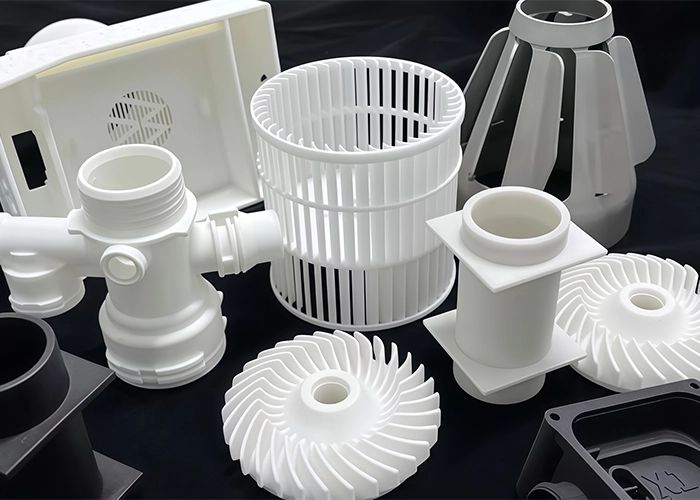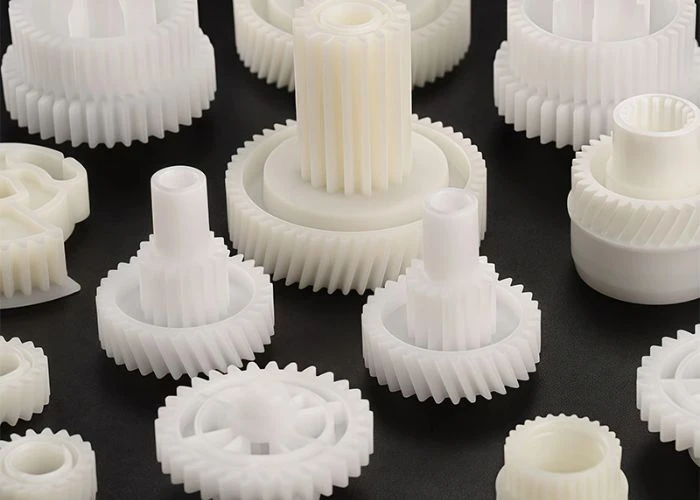

During product development, I often hear building a prototype and prototype assembly used as if they mean the same thing. In reality, they solve different engineering challenges and belong to different stages of product development. Understanding the difference helps engineers choose the right manufacturing service, avoid unnecessary work, and move projects forward more efficiently.
Understanding the Difference Between Prototype Build and Prototype Assembly
Although the two services are closely connected, they are not interchangeable. Building a prototype covers the complete process of turning an engineering design into a functional product, while prototype assembly focuses on putting manufactured parts together. One represents the entire workflow, while the other is only one step within that workflow.
Prototype Build as a Complete Product Development Process
Building a prototype begins long before the first part is assembled. It includes manufacturing planning, process selection, part production, plastic prototyping, CNC plastic machining, purchased components, surface finishing, assembly, and final verification. The objective is to deliver a prototype that accurately represents the intended product.
Prototype Assembly as the Final Integration Stage
Prototype assembly starts after the required components have already been manufactured or sourced. The work mainly involves assembling those parts according to engineering drawings, confirming that they fit correctly, and preparing the product for inspection, demonstration, or functional testing.
Unlike building a prototype, prototype assembly normally does not include manufacturing planning or part production. It focuses on integrating finished components into a working product.
Building a Prototype vs Prototype Assembly
| Building a Prototype | Prototype Assembly |
| Starts from CAD files or engineering concepts | Starts after all parts are available |
| Includes manufacturing planning | Focuses on assembling finished components |
| Covers plastic prototyping and CNC plastic machining | Does not include part manufacturing |
| May include surface finishing and purchased components | Concentrates on product integration |
| Delivers a complete functional prototype | Delivers an assembled product ready for evaluation |
| Best suited for new product development | Best suited for projects with completed components |
The Scope of Prototype Build Beyond Assembly
The biggest difference between prototype build and prototype assembly is everything that happens before the assembly stage. A prototype build coordinates the entire plastic prototype manufacturing process, from process planning and part production to finishing and final assembly.
Manufacturing Planning Before Prototype Production
Every prototype starts with a different design, so the manufacturing approach should be planned before production begins. Some parts are better suited to CNC plastic machining, while others may be produced through plastic prototyping, vacuum casting, or a combination of processes. Choosing the right method for each component helps balance quality, lead time, and project cost.
Manufacturing planning is therefore an important part of building a prototype, because it determines how the final product will be produced rather than simply how it will be assembled.
Part Manufacturing as a Core Stage of Prototype Build
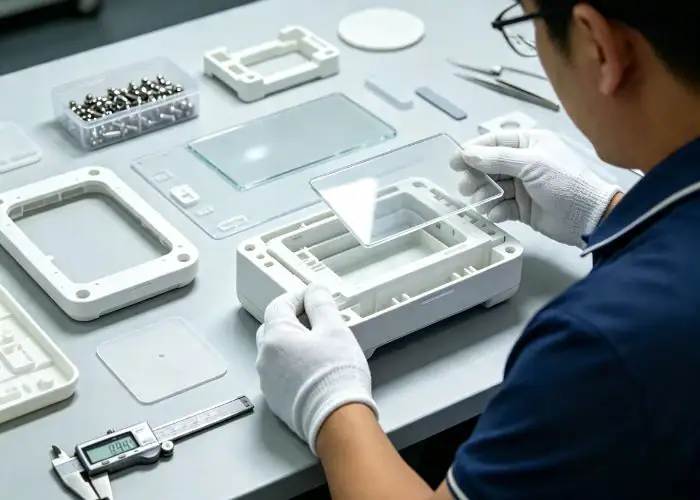
Instead of starting with finished components, building a prototype begins by manufacturing the parts themselves. Depending on the product, this may involve CNC plastic machining, plastic prototyping, vacuum casting, or other suitable processes. Producing the parts is therefore a fundamental stage of prototype build rather than prototype assembly.
Once every component has been manufactured and inspected, the project can move naturally into the assembly stage.
Component Coordination During Prototype Development
A complete prototype is rarely made from custom-machined parts alone. In addition to manufactured components, many projects also require standard items such as bearings, fasteners, springs, motors, or electronic parts. Coordinating these purchased components is an important part of building a prototype because they must be selected, prepared, and matched with the manufactured parts before assembly begins.
Prototype assembly starts only after both manufactured and purchased components are ready. This is why component coordination belongs to prototype build rather than the assembly process itself.
Choosing the Right Service for Different Development Stages
The choice depends on the current stage of your project. If the product still requires parts to be manufactured, sourced, and prepared, building a prototype is the logical solution. If every component is already available, prototype assembly is often all that is needed before testing or presentation.
Prototype Build for New Product Development
New product development usually starts with engineering drawings instead of finished components. Different parts may require different manufacturing processes, suppliers, or materials before they can become a complete product. Managing these activities together helps the prototype progress more smoothly from concept to physical validation.
By organising manufacturing and assembly as one project instead of separate tasks, engineers spend less time coordinating suppliers and more time improving the product itself.When Is Prototype Prototype Assembly for Completed Components
Prototype assembly becomes the preferred option when all custom parts and purchased components have already been prepared. Rather than managing manufacturing, the focus shifts to assembling the product correctly and confirming that every component fits and functions as expected.
This approach is common for exhibition models, customer demonstrations, engineering evaluations, or products that only require final integration before the next development stage.
Combining Prototype Build and Prototype Assembly in One Project
In practice, many projects involve both services. A prototype may begin with part manufacturing, process planning, and component sourcing, then move naturally into prototype assembly once everything is ready. Rather than replacing each other, the two services often work together within the same development project.
Understanding where one stage ends and the next begins helps projects progress more efficiently while reducing unnecessary communication and repeated work.
The Advantages of One-Stop Prototype Build Services
As products become more complex, prototype development often involves multiple manufacturing processes, purchased components, and finishing operations. Instead of coordinating several suppliers, many companies now prefer a one-stop prototype build service that manages the entire workflow from part manufacturing to final assembly.
Improving Project Efficiency Through Integrated Manufacturing
Building a prototype often involves multiple manufacturing processes, purchased components, and final assembly. When these activities are managed by different suppliers, engineering teams need to coordinate schedules, specifications, and design changes across several companies, which can easily slow the project down.
By managing the complete prototype through one manufacturing partner, complete prototype services can coordinate part manufacturing, surface finishing, and prototype assembly around the same project objectives and technical requirements. This not only simplifies communication but also improves consistency throughout the prototype build, helping the product move more smoothly from design to validation.
Complete Prototype Build Support From UForProto
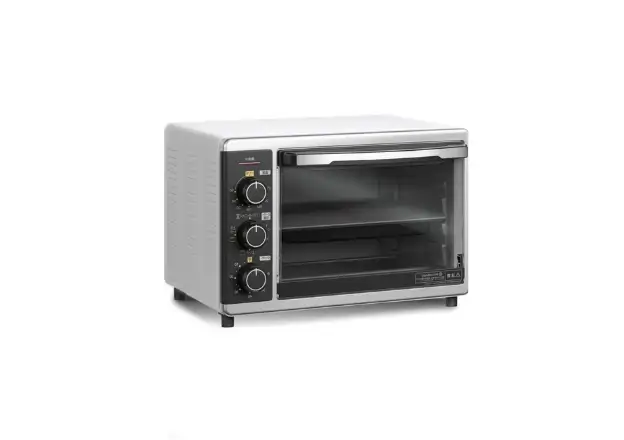
Rather than offering only one manufacturing process, we support complete prototype projects that combine plastic prototyping, CNC plastic machining, prototype assembly, vacuum casting, surface finishing, and low-volume manufacturing. This allows customers to move from design files to a complete prototype through one coordinated manufacturing workflow.
Whether the project requires only several machined components or a fully assembled engineering prototype, our goal is to deliver reliable manufacturing support throughout each stage of product development.
Conclusion
Building a prototype and prototype assembly are not competing services—they support different stages of product development. A complete prototype build helps transform engineering ideas into physical products, while prototype assembly brings prepared components together for evaluation and testing. By understanding when each service is appropriate, engineering teams can plan projects more effectively, improve collaboration across manufacturing stages, and reduce unnecessary revisions before production begins.
FAQs
1. Is building a prototype the same as prototype assembly?
No. Building a prototype covers the complete development process, including manufacturing planning, part production, finishing, assembly, and evaluation. Prototype assembly focuses only on assembling finished components into a working product.
2. What is included in building a prototype?
A complete prototype build may include CAD review, process selection, plastic prototyping, CNC plastic machining, surface finishing, purchased components, prototype assembly, and product verification.
3. When should I choose prototype assembly instead of building a prototype?
Prototype assembly is suitable when all required components have already been manufactured or sourced, and the project only requires professional assembly before testing, demonstration, or production evaluation.
4. Can one supplier handle the entire prototype development process?
Yes. Many manufacturers provide one-stop services covering plastic prototyping, CNC machining, prototype assembly, surface finishing, and low-volume manufacturing, helping simplify project management.
5. Does building a prototype always involve multiple manufacturing processes?
Not necessarily. Simple products may require only one manufacturing method, while more complex prototypes often combine CNC machining, 3D printing, vacuum casting, and other processes to produce different components.
6. Why is building a complete prototype important before production?
A complete prototype allows engineers to evaluate the product as a whole rather than as individual parts. This helps identify integration issues, improve product performance, and reduce development risk before production begins.