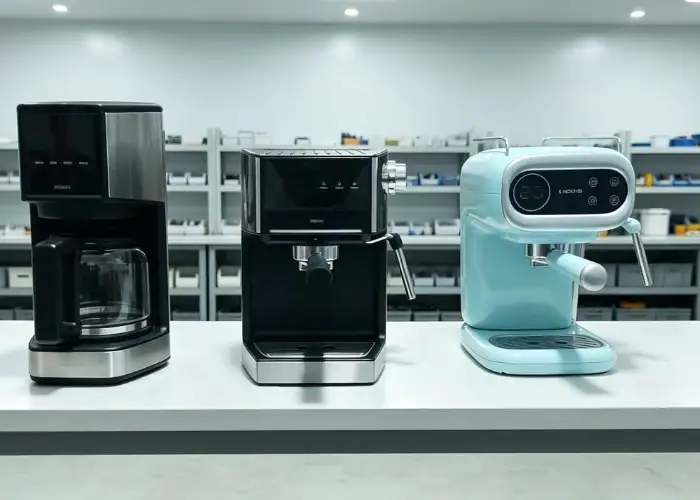
Learn how appearance prototypes and functional prototypes support different validation goals, and how to choose the right plastic prototyping strategy for product development.
Learn why Bakelite machining requires a different CNC strategy and how material behaviour, geometry, workholding, cutting conditions, and tolerance planning affect machining quality.
Learn how clearance, mating surfaces, alignment, wear, and tolerance stack-up affect POM moving parts during plastic prototyping and motion validation.
Compare POM vs Nylon for plastic prototyping. Learn how dimensional stability, toughness, repeated loading, moisture sensitivity, and CNC plastic machining affect material selection.
Learn when PE material is suitable for plastic prototyping, especially for sliding, wear, moisture, chemical exposure, and CNC plastic machining applications.
Learn the differences between building a prototype and prototype assembly. Understand when each service is needed and how they support efficient product development.
Learn how to define practical plastic prototype accuracy based on project goals, critical features, manufacturing methods, and development requirements.
Learn what changes when moving from prototype to production, including material selection, design adjustments, manufacturing processes, assembly, and quality control.
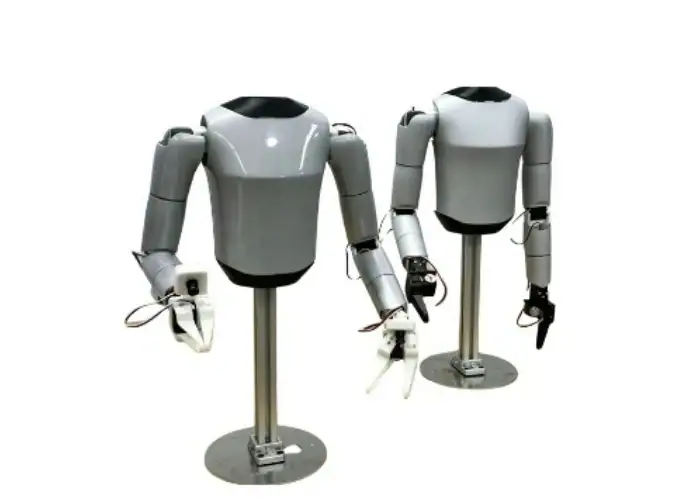
Learn how robotics prototyping helps teams validate designs, improve assemblies, reduce development risk, and accelerate product development through CNC plastic machining, 3D printing, and prototype assembly.
Accelerate Your Prototype Development With UForProto