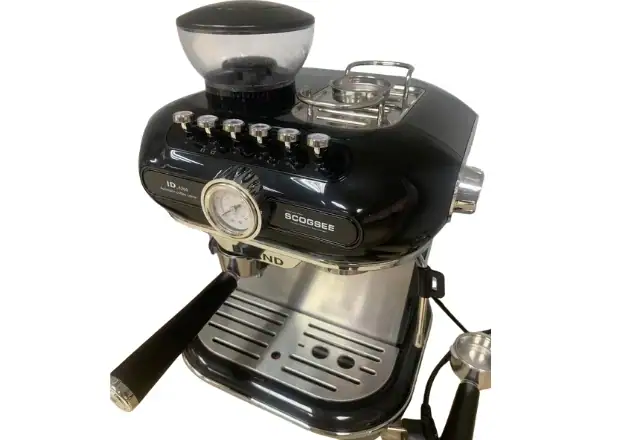
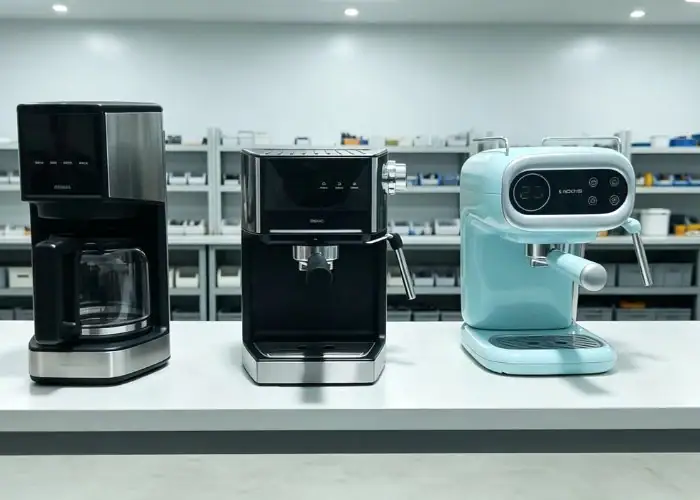
Learn how CNC plastic machining supports coffee machine prototype manufacturing, from housing development and transparent parts to plastic prototyping and assembly validation.
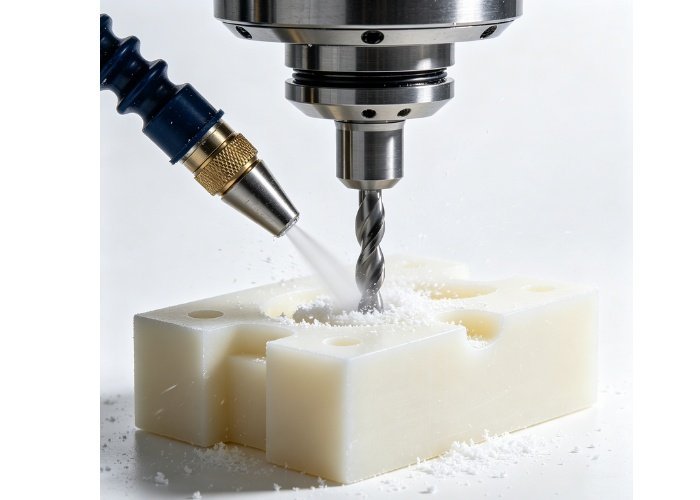
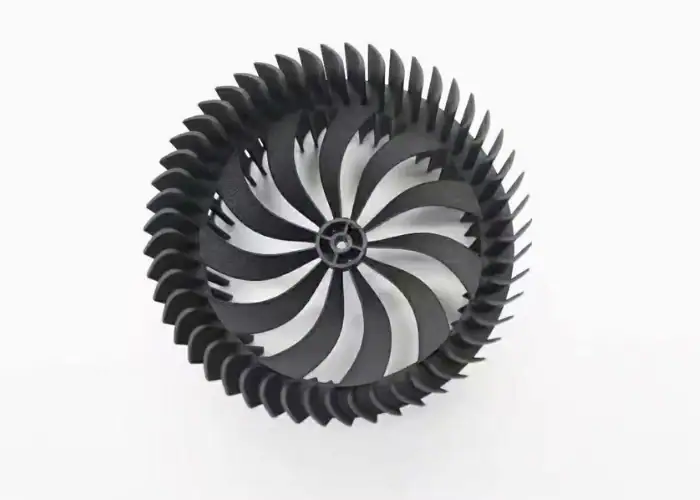
When engineers need a material that balances strength, wear resistance, and machining efficiency, nylon is often one of the first options considered. From functional prototypes to mechanical components, nylon offers a practical combination of performance and cost-effectiveness. In this guide, I will explain how nylon behaves during CNC machining, where it performs best, and how to design better nylon parts for real-world applications.
Learn when ABS is the right material for plastic prototyping, how it supports design validation, assembly testing, CNC plastic machining, and efficient product development before production.
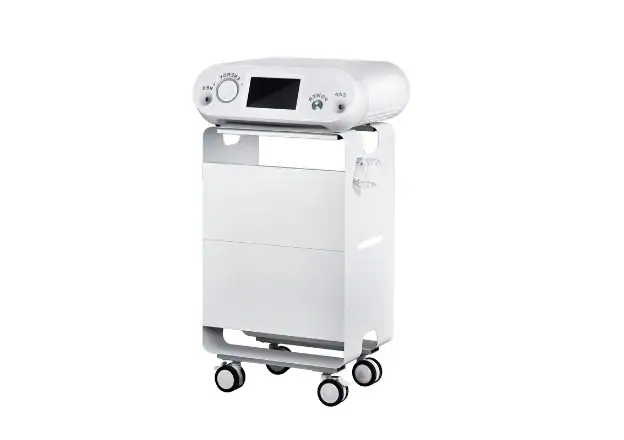
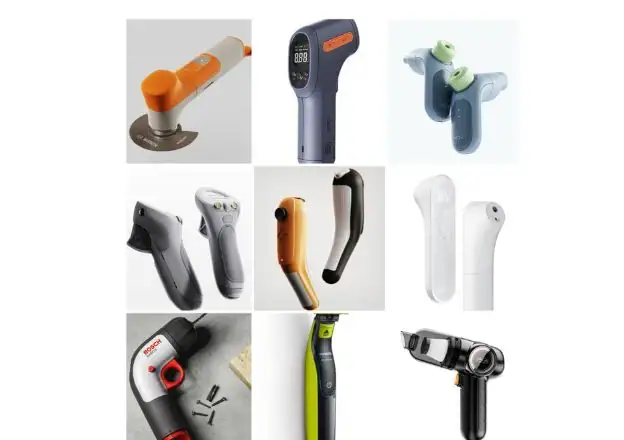
Discover practical lessons from beauty device plastic housing development. Learn how prototype projects help refine appearance, assembly, and product quality before production.
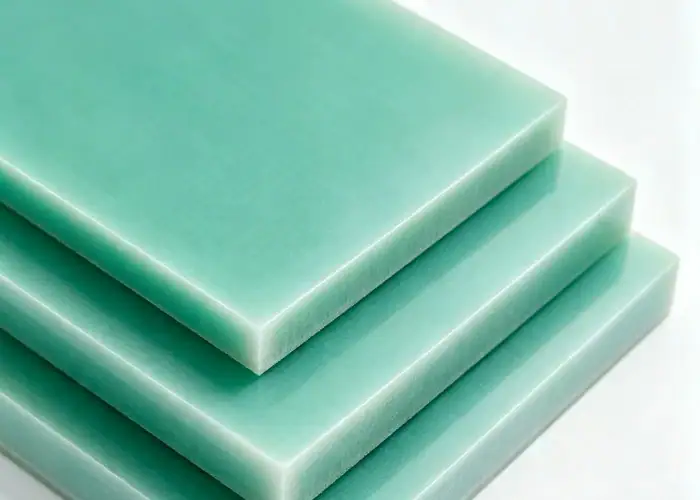
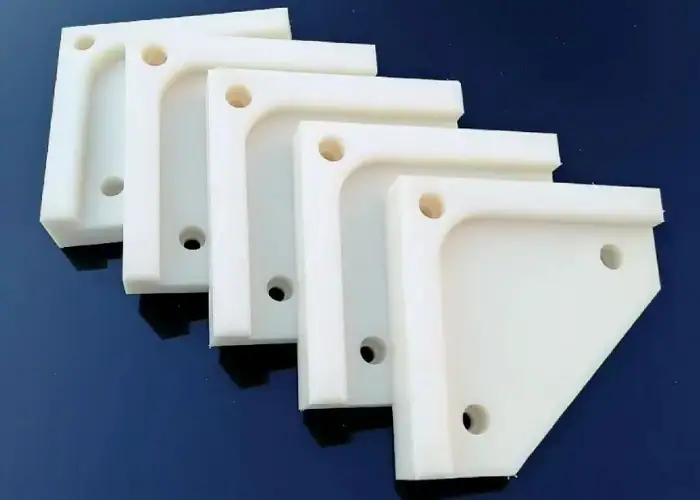
Discover why FR4 material is used beyond PCBs, where engineers apply it in industrial products, and how FR4 supports plastic prototyping, CNC plastic machining, and product development.
Learn how appearance prototypes and functional prototypes support different validation goals, and how to choose the right plastic prototyping strategy for product development.
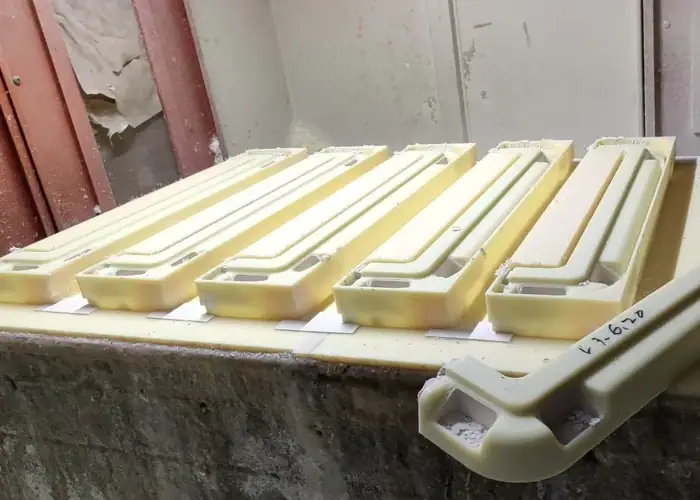
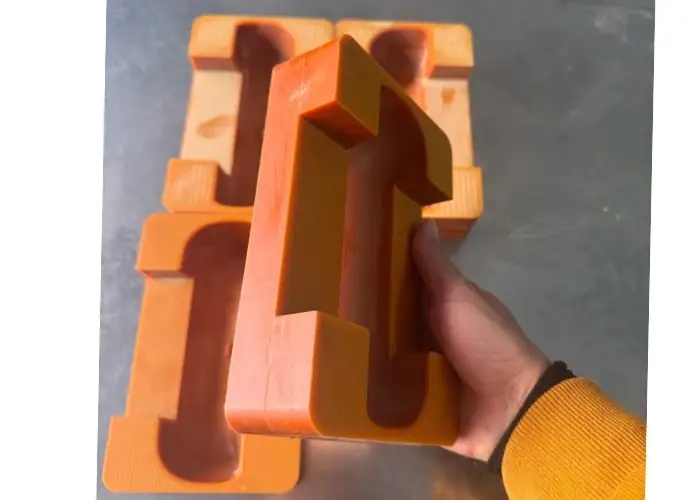
Learn why Bakelite machining requires a different CNC strategy and how material behaviour, geometry, workholding, cutting conditions, and tolerance planning affect machining quality.
Learn how clearance, mating surfaces, alignment, wear, and tolerance stack-up affect POM moving parts during plastic prototyping and motion validation.
Compare POM vs Nylon for plastic prototyping. Learn how dimensional stability, toughness, repeated loading, moisture sensitivity, and CNC plastic machining affect material selection.
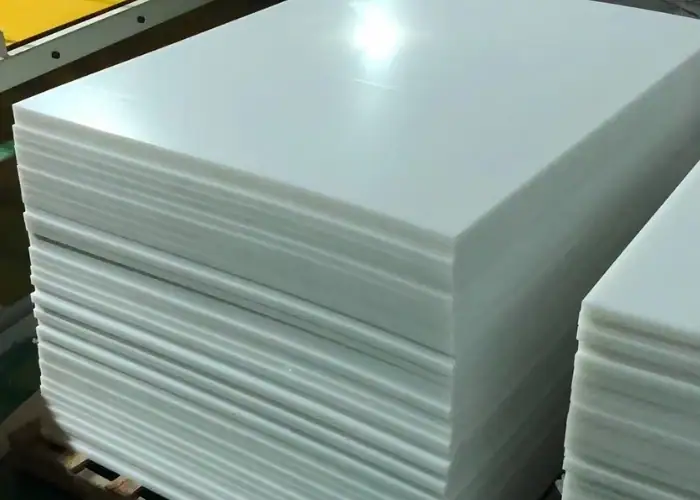
Learn when PE material is suitable for plastic prototyping, especially for sliding, wear, moisture, chemical exposure, and CNC plastic machining applications.
Accelerate Your Prototype Development With UForProto