✦PLASTIC PROTOTYPING INSIGHTS ✦
Blog
Learn what PP is, its strengths, limitations, and common applications to see whether polypropylene fits your prototype or plastic part design.
How are plastics made? Learn the raw materials, polymerization process, plastic types, and how products are formed step by step.
Plastic manufacturing quality depends on process planning, machining control, finishing, inspection, and assembly—not machine accuracy alone.
Plastic Manufacturing Tolerances should control critical fits, datums, feature relationships, and inspection requirements in prototype parts.
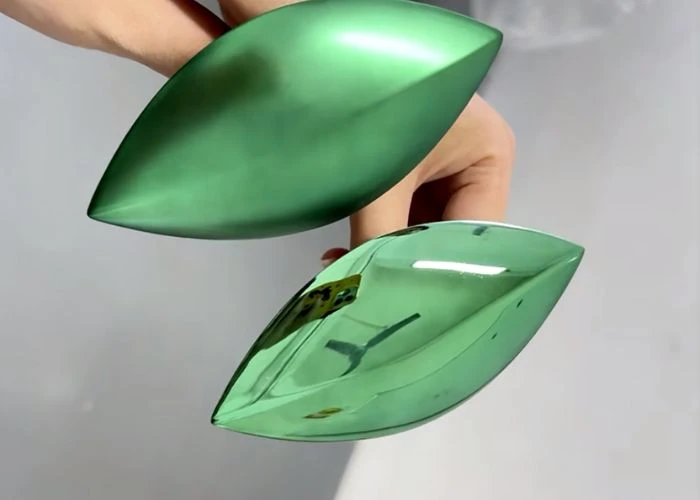
Compare matte vs. gloss plastic finishes, including appearance, surface texture, durability, and applications for CNC-machined plastic prototypes. Learn how to choose the right finish.
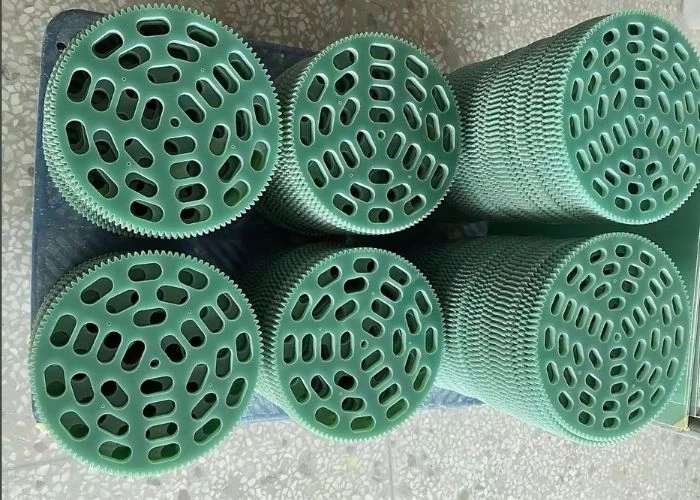
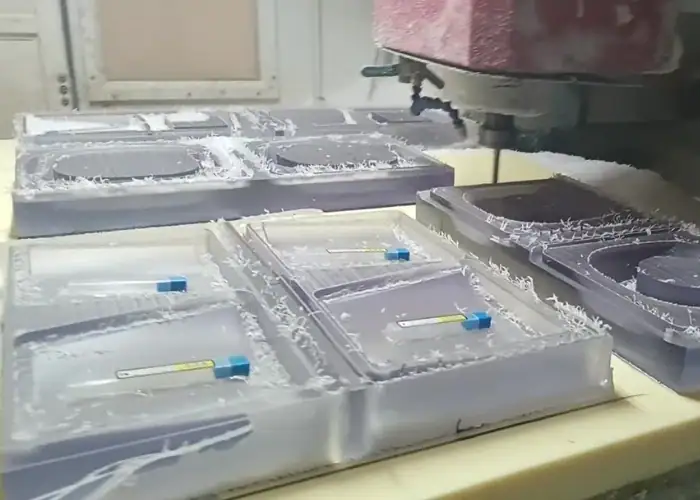
Machining high performance plastics requires the right tools, cutting parameters, and workholding. Learn how material properties affect CNC results.
Learn how CNC machining thin plastic parts controls deflection through proper support, cutting forces, machining sequence, and inspection.
CNC machining plastic without warping or cracking? Learn how to control stress, clamping, heat, and machining sequence for more stable plastic parts.
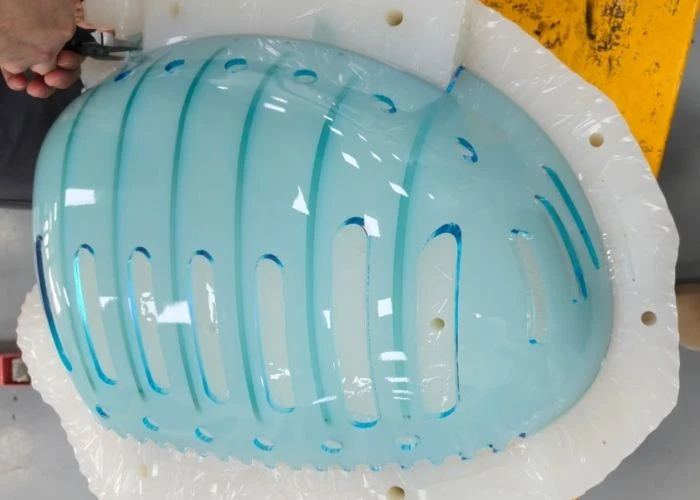
Learn what causes vacuum casting defects in plastic prototyping and how process control helps prevent bubbles, warpage, flash, and voids.
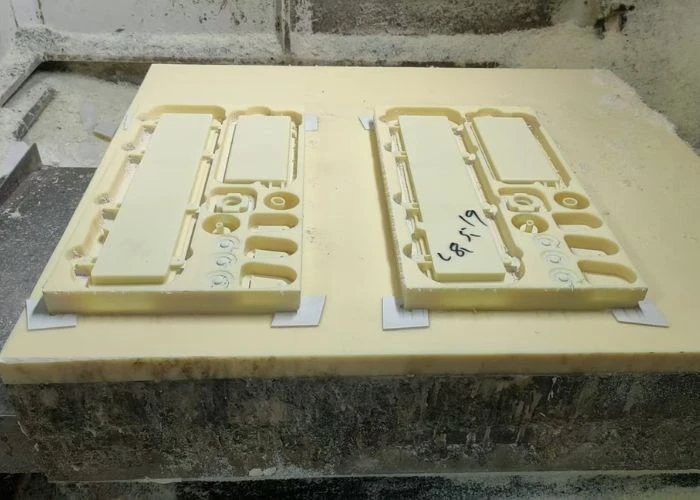
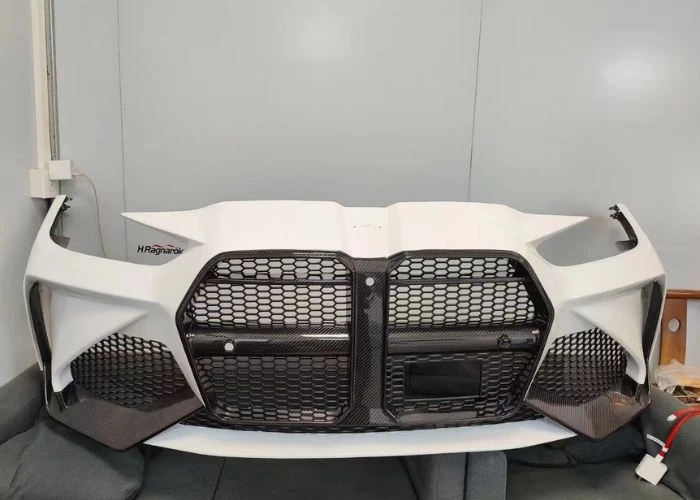
Large Plastic Prototype Machining requires the right CNC strategy for deformation, sectioning, bonding, dimensional control, and final assembly.
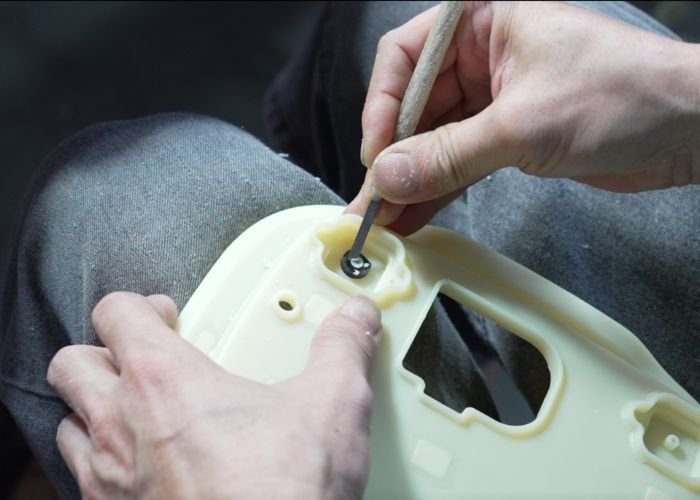
Complete prototype services for plastic product development, combining CNC machining, 3D printing, vacuum casting, finishing, inspection, and prototype assembly.
Learn how Design for Manufacturability (DFM) helps make plastic prototyping easier, more efficient, and better prepared for manufacturing.