✦PLASTIC PROTOTYPING INSIGHTS ✦
Blog
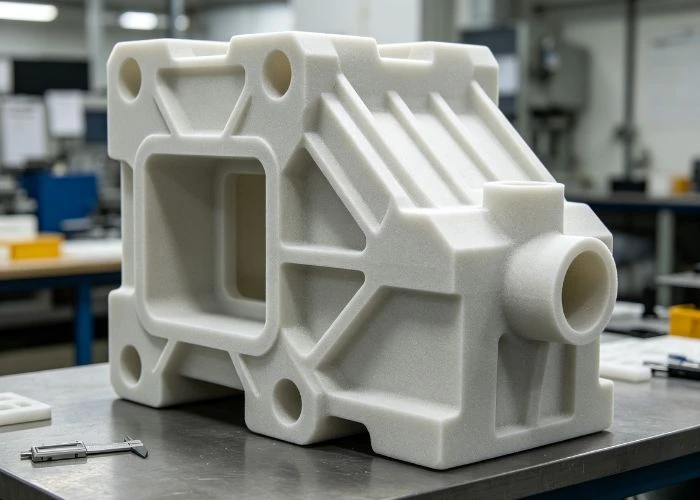
Plastic 3D printing guide for engineers covering processes, materials, applications, limitations, and process selection for prototype parts.
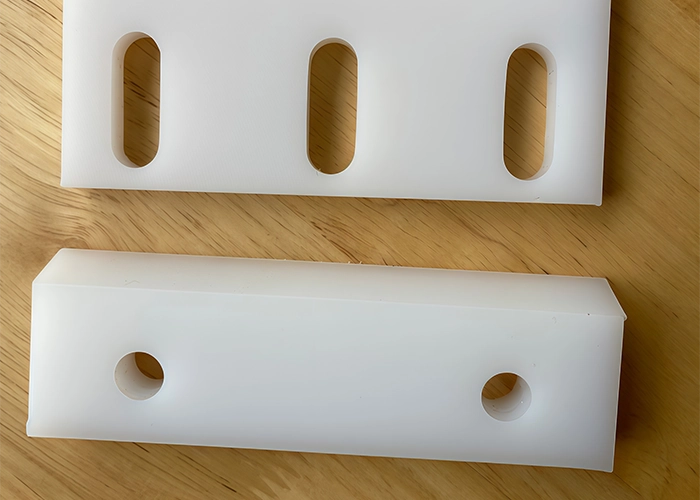
Learn what is polyethylene, its properties, grades, uses, and machining considerations to help you choose the right PE material for your project.
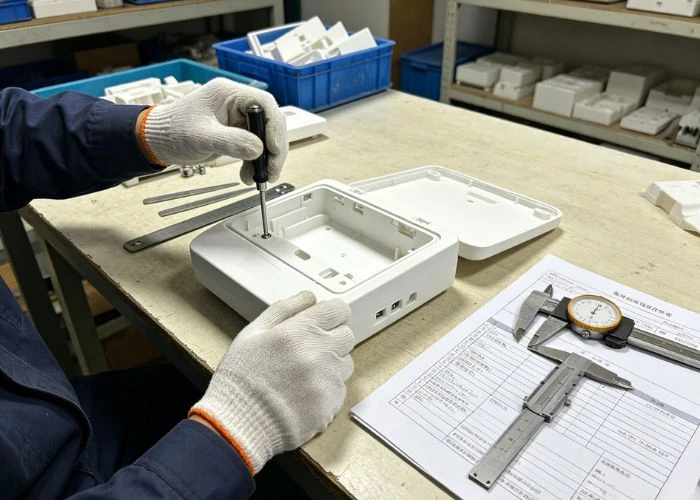
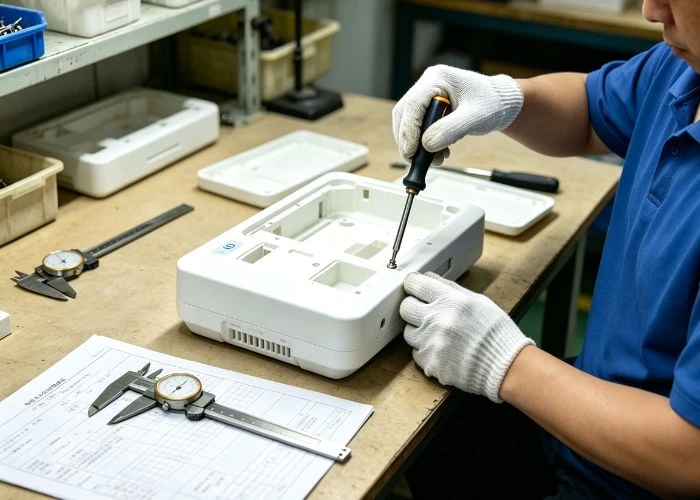
Prototype assembly tolerance defines fit, gap, alignment, and clearance across multiple parts so final prototype assemblies can be verified.Suggested Image ALT: Prototype Assembly Tolerance Check for Multi-Part Plastic Prototype
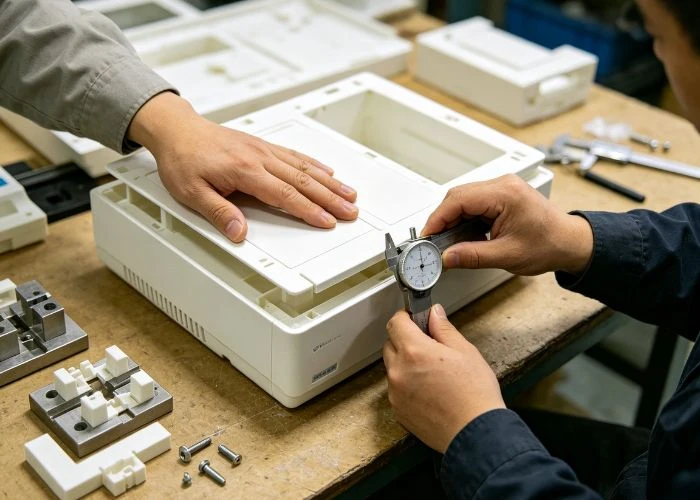
Prototype Fit Check helps identify the real cause of interference, poor alignment, tight fit, and assembly problems before parts are modified.
Healthcare industry trends shaping medical devices, connected care, AI, remote monitoring, product development, and prototyping.
Learn what is plastic made up of, from raw materials and polymers to additives, plastic types, and how plastics are manufactured.
Learn what PP is, its strengths, limitations, and common applications to see whether polypropylene fits your prototype or plastic part design.
How are plastics made? Learn the raw materials, polymerization process, plastic types, and how products are formed step by step.
Plastic manufacturing quality depends on process planning, machining control, finishing, inspection, and assembly—not machine accuracy alone.
Plastic Manufacturing Tolerances should control critical fits, datums, feature relationships, and inspection requirements in prototype parts.
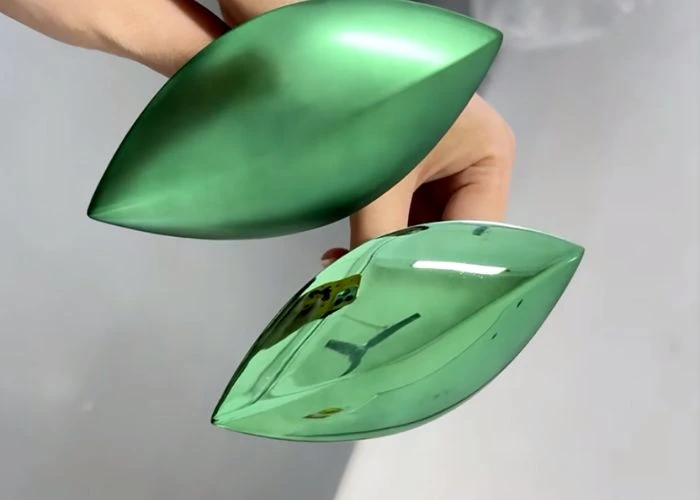
Matte vs Gloss Plastic Finish affects how plastic prototypes are CNC machined, prepared, finished, protected, and assembled.
Machining High Performance Plastics requires CNC strategies matched to part geometry, tooling, machining sequence, workholding, and final requirements.