✦PLASTIC PROTOTYPING INSIGHTS ✦
Blog
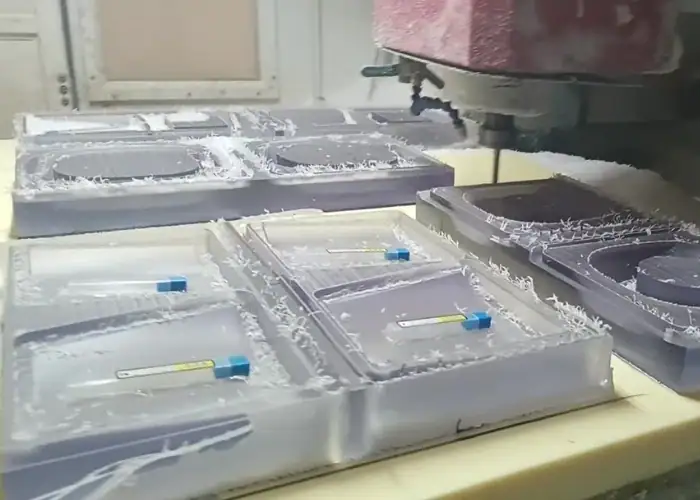
CNC machining thin plastic parts requires controlled support, cutting forces, machining sequence, and free-state inspection for dimensional accuracy.
CNC machining plastic without warping or cracking requires control of stress, clamping, heat, material removal, and part release.
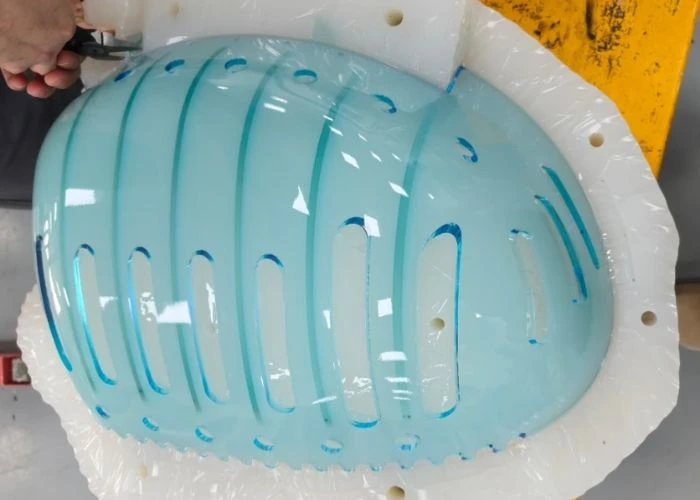
Learn what causes vacuum casting defects in plastic prototyping and how process control helps prevent bubbles, warpage, flash, and voids.
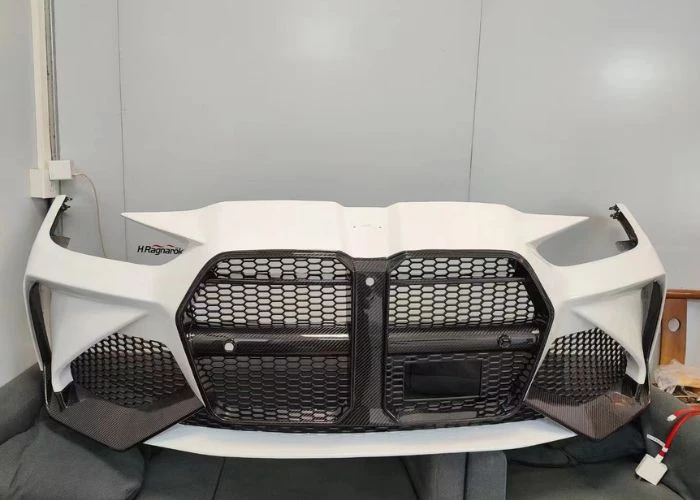
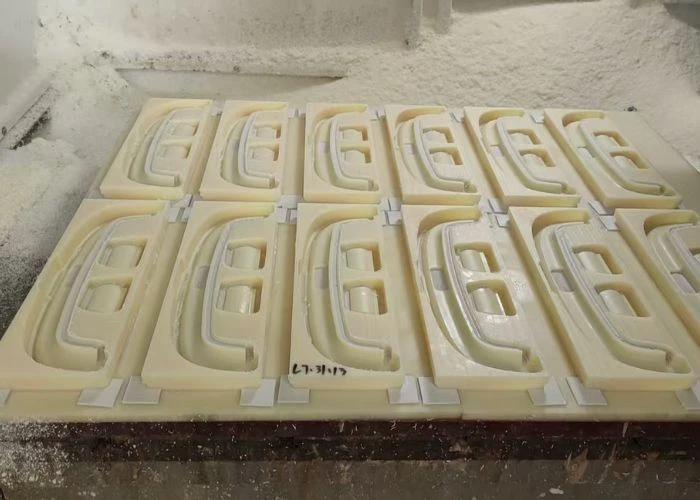
Large Plastic Prototype Machining requires the right CNC strategy for deformation, sectioning, bonding, dimensional control, and final assembly.
Complete prototype services for plastic product development, combining CNC machining, 3D printing, vacuum casting, finishing, inspection, and prototype assembly.
Learn how Design for Manufacturability (DFM) helps make plastic prototyping easier, more efficient, and better prepared for manufacturing.
Dimensionally Stable Plastics for CNC machining depend on material, geometry, heat, stress, workholding, and inspection—not material choice alone.
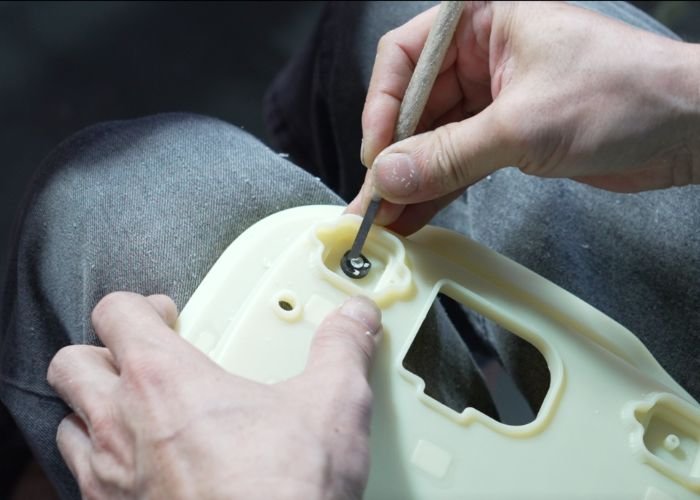
Learn how plastic cover prototypes for devices are manufactured to evaluate appearance, fit, openings, surface quality, and assembly before product development moves forward.
Learn what engineers should include in an RFQ for custom plastic parts to improve quoting, manufacturing planning, and prototype results.
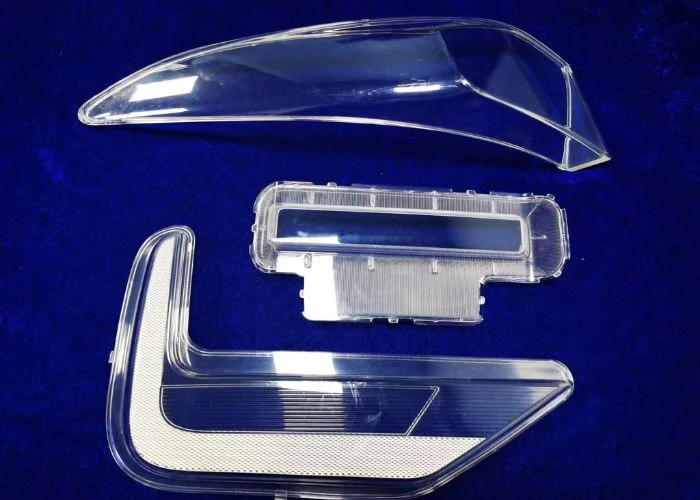
CNC Machining Transparent Plastic: learn how machining, workholding, geometry, and finishing affect clarity and surface quality in prototypes.
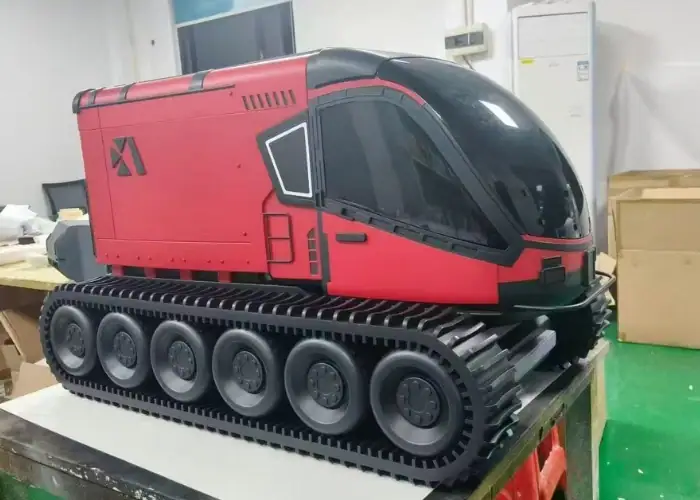
Learn how appearance prototypes help teams evaluate product form, visual quality, and user perception before tooling decisions and production planning.
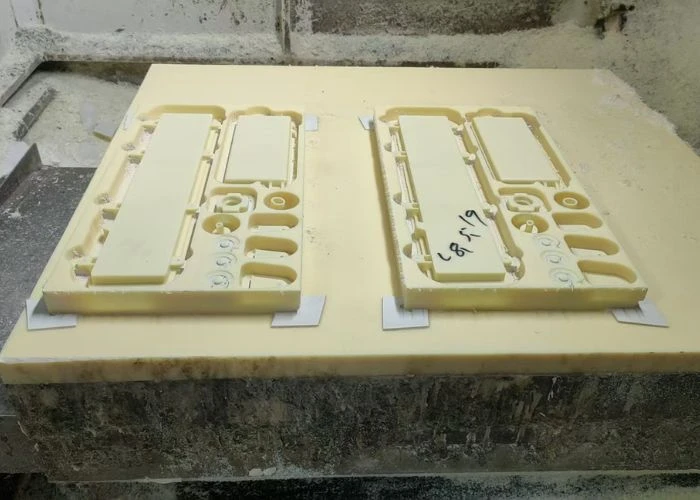
Learn about CNC Plastic Machining, including its process, applications, and benefits for producing accurate plastic prototypes, functional parts, and low-volume components.